The 1960s File Feature
Count Me In
Count Me In — Gary Lewis and the Playboys (1965) Gary Lewis and the Playboys occupied an interesting position in the mid-1960s pop landscape: a young group f…
01 The Story
Count Me In — Gary Lewis and the Playboys (1965)
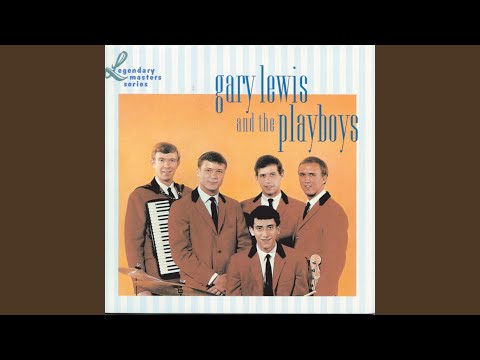
Gary Lewis and the Playboys occupied an interesting position in the mid-1960s pop landscape: a young group fronted by the son of comedian Jerry Lewis, whose family connections gave them access to television exposure that accelerated their commercial rise, but whose musical output, particularly in their early years, was genuinely well-crafted pop that earned its commercial success on its own terms. "Count Me In," released in 1965 on Liberty Records, was the group's second single and reached number 2 on the Billboard Hot 100, a chart position that confirmed the commercial potential their debut had suggested and established them as one of the year's breakout acts.
The song was written by Glen D. Hardin, a musician who would later become known for his work as a pianist and arranger for Elvis Presley and for his membership in Emmylou Harris's Hot Band. In 1965 he was a young Nashville-connected writer, and "Count Me In" reflected the professional songwriting craft that was producing hits for the Brill Building-influenced pop machine of the mid-decade. The song's structure, melody, and lyrical content were calibrated for the teen pop market that was responding in huge numbers to the upbeat, melodically accessible sounds coming from young American groups competing with the British Invasion acts that had reshaped the commercial landscape beginning in 1964.
The production of "Count Me In" was handled with the professional precision that characterized Liberty Records' pop output during the period. The label had the infrastructure to move records through radio and retail, and the production team understood how to create recordings that maximized the group's commercial appeal while preserving the energy and freshness that young audiences wanted. Gary Lewis's voice, an earnest, slightly nasal tenor that communicated sincerity more than technical sophistication, was well suited to the material, and the Playboys provided a tight rhythmic foundation that gave the record its drive.
The commercial context for "Count Me In" was defined by the enormous appetite among American teenagers for domestic pop acts that could satisfy the demand for modern, guitar-driven music without the British accents and transatlantic mystique of the invasion groups. Acts including Herman's Hermits, the Dave Clark Five, and the Kinks were competing with American groups including Gary Lewis and the Playboys, the Beach Boys, the Four Seasons, and the Byrds for radio time and chart position. In this environment, reaching number 2 on the Hot 100 was a significant achievement, and Liberty Records promoted the success aggressively.
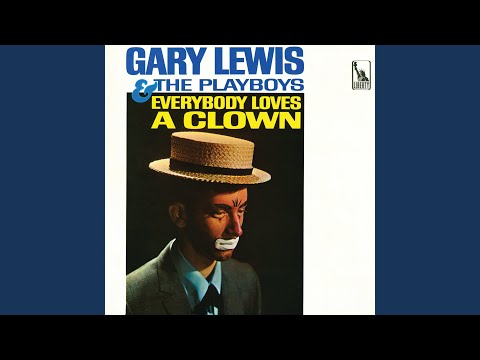
Gary Lewis and the Playboys followed "Count Me In" with a string of additional chart hits through 1965 and 1966, including "Save Your Heart for Me," "Everybody Loves a Clown," and "She's Just My Style," demonstrating a commercial consistency that was unusual even by the standards of a period when the pop charts were refreshed with new acts at a remarkable pace. The group appeared regularly on television programs including Hullabaloo and Shindig, giving them national visibility that reinforced their radio success.
The career of Gary Lewis and the Playboys was interrupted by the Vietnam War, which drafted Lewis in 1967, effectively suspending the commercial momentum the group had built. The cultural and commercial landscape had shifted substantially by the time Lewis returned, and the group never fully recaptured the chart success of their 1965-1966 peak. However, "Count Me In" remained a defining artifact of mid-decade teen pop and has appeared consistently on compilations of the era, receiving continued airplay on oldies radio formats that have sustained listener familiarity with the song across subsequent decades.
The legacy of "Count Me In" is partly that of a particularly well-executed piece of commercial pop craft, a song that did exactly what it intended to do with efficiency and appeal. Within the broader history of mid-1960s American pop, it stands as one of the cleaner examples of the genre's commercial formula in operation, and its number 2 chart position places it among the more successful songs of a year that produced intense commercial competition for chart positions.
02 Song Meaning
What "Count Me In" Means — Gary Lewis and the Playboys
"Count Me In" belongs to the category of mid-1960s teen pop songs that expressed romantic enthusiasm with uncomplicated directness. The narrator is declaring his willingness, eagerness even, to be included in whatever the object of his affection has in mind, positioning himself as fully available and wholly committed to the romantic proposition at hand. This is a simple emotional gesture, but within the context of teen pop, simplicity was not a liability. The directness of the declaration was precisely the quality that connected with the young audience the song was designed to reach.
The emotional vocabulary of mid-1960s teen pop was governed by a set of conventions that were extremely well understood by both the artists who performed within them and the audiences who consumed them. Enthusiasm, sincerity, and the uncomplicated expression of romantic desire were the primary values, and songs that delivered these qualities with musical appeal and lyrical clarity reliably found large audiences. "Count Me In" is a textbook example of this formula executed at a high commercial level.
Within the Gary Lewis and the Playboys catalog, the song established a template that the group would return to repeatedly through their peak commercial years. Their biggest hits shared a common emotional register: warm, inviting, and enthusiastically positive about the prospect of romantic connection. This consistency was commercially strategic but also reflected something genuine about the group's musical persona. Gary Lewis projected a wholesome sincerity that his audience found appealing, and the material his team selected reinforced that persona effectively.
The song's meaning is also shaped by its cultural context within the mid-1960s pop landscape. The teen pop genre of this period operated within carefully maintained decorum regarding the expression of romantic feeling, and songs like "Count Me In" navigated the tension between desire and restraint by focusing on emotional availability rather than physical attraction. The "count me in" formulation is inclusive and enthusiastic without crossing into territory that would have excluded the song from radio or the teen market.
Glen D. Hardin's songwriting delivered a lyric that was efficient, memorable, and emotionally clear, giving Lewis material that required no interpretive complexity to perform effectively. The song's meaning was fully accessible on first listen, which was exactly what the commercial pop format required. There were no hidden depths to excavate, no ambiguities to resolve, no references that required prior knowledge. The song meant precisely what it said, and what it said was simple, warm, and inviting. For its intended audience and its intended purpose, that was more than sufficient, and the number 2 chart position validated the approach entirely.
→ More from Gary Lewis And The Playboys
View all Gary Lewis And The Playboys hits →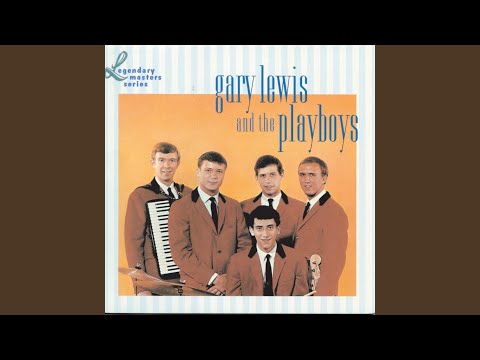
→ More from the 1960s File
View all 1960s hits →




Keep digging