The 1960s File Feature
Winter World Of Love
Winter World Of Love — Engelbert Humperdinck's Final Chart Gift of the Decade December 1969 and the Voice That Warmed It There is something fitting about the…
01 The Story
Winter World Of Love — Engelbert Humperdinck's Final Chart Gift of the Decade
December 1969 and the Voice That Warmed It
There is something fitting about the fact that Engelbert Humperdinck's "Winter World Of Love" arrived on the Billboard Hot 100 in December 1969, as the decade drew to its turbulent close. The sixties had been a decade of enormous cultural upheaval, and by its final weeks the listening public was fragmented: rock audiences were processing Woodstock and Altamont, soul listeners were navigating the aftermath of the Civil Rights era, and a significant portion of the record-buying public was quietly seeking music that offered warmth, craftsmanship, and the kind of romantic sincerity that Humperdinck had made his signature.
By late 1969, Engelbert Humperdinck was a genuinely global star. Born Arnold George Dorsey in Madras, India, he had rebuilt his career under his stage name and, with the guidance of manager Gordon Mills, had achieved a run of international hits beginning with "Release Me" in 1967. That song had kept the Beatles' double A-side "Penny Lane" / "Strawberry Fields Forever" off the number one position in the United Kingdom, a fact that ensured Humperdinck's name would appear in music history discussions for decades. By 1969, his ballad style was refined and confident.
The Craft of the Romantic Ballad
"Winter World Of Love" is, in the best sense, a professionally constructed piece of romantic entertainment. The song wraps its central sentiment in an arrangement that uses the winter season as a frame for intimate warmth, the cold world outside contrasting with the warmth of love within. It is a songwriting convention with a long lineage, but Humperdinck brought to it a vocal sincerity that lifted the familiar framework. His voice, trained and controlled, could suggest genuine emotion within polished commercial structures in a way that recorded well and translated across markets.
The production reflects the orchestrated pop approach that dominated adult-oriented British pop of the late sixties, with string arrangements providing the lush backdrop that Humperdinck's ballad style required. Gordon Mills's management and the production sensibility he cultivated around Humperdinck produced a series of recordings that were carefully engineered for maximum emotional impact within mainstream commercial parameters.
Four Weeks on the American Chart
The single debuted on the Billboard Hot 100 on December 6, 1969, entering at position 84. Its chart run was compact: over four weeks, it moved from 84 to 71 to 48 before reaching its peak of number 41 on December 27, 1969, just at the turn of the decade. A four-week run in December is, in practical terms, a holiday chart performance, shaped by the compressed commercial calendar of the season. The timing was appropriate for a song whose imagery and emotional register aligned closely with the holiday season's romantic and nostalgic associations.
Humperdinck's American chart performances were consistently solid rather than spectacular through this period. His core audience was devoted and reliably present, but his recordings rarely achieved the cross-format saturation that produced extended Hot 100 runs. The winter holiday context gave this song a specific seasonal window that shaped its chart life.
Humperdinck Between Eras
By the end of 1969, the kind of orchestrated ballad pop that Humperdinck represented was facing increasing pressure from the rock and soul sounds that dominated youth culture. Yet there was, and would remain, a substantial audience for the romantic ballad tradition he embodied. His television appearances and Las Vegas residencies through the seventies would maintain his visibility with audiences who valued the performance craft and emotional directness that rock music had largely set aside.
The tension between the commercial mainstream and Humperdinck's style would define his career through the next decade. He remained popular, consistently working to large audiences, even as his chart presence on the Hot 100 diminished. "Winter World Of Love" captures him at a moment when both his style and the broader adult pop market it served were still in confident commercial relationship with the mainstream.
A Seasonal Song That Held Its Character
Humperdinck's catalog has proved more durable than many predicted during the rock-dominated critical discourse of the seventies, with subsequent generations finding in his ballad work a kind of craft and emotional directness that rewards renewed attention. "Winter World Of Love" belongs to that catalog as evidence of the consistency and sincerity he brought to every recording. Press play on a cold evening and you will understand exactly what his audience was looking for and finding.
"Winter World Of Love" — Engelbert Humperdinck's singular moment on the 1960s charts.
02 Song Meaning
The Warmth Against the Cold: Meaning and Resonance in "Winter World Of Love"
A Classic Emotional Contract
Winter has been doing symbolic work in love songs for as long as the tradition exists. The season's associations, cold, darkness, the drawing-in of domestic warmth, provide a ready-made emotional contrast that songwriters have returned to across centuries and genres. Engelbert Humperdinck's "Winter World Of Love" participates in that tradition straightforwardly and without apology. The emotional contract it offers the listener is clear: love is the warmth that the cold world outside cannot touch, and the song delivers on that promise with a kind of craftsmanlike sincerity. The directness of the song's emotional appeal is precisely its point.
Humperdinck was not a songwriter whose work traded in irony or ambiguity. His vocal persona communicated conviction, the sense that the singer believed completely in the sentiment being expressed. That quality of genuine commitment to romantic material is harder to achieve than it appears, and it is what distinguished his performances from those of contemporaries who applied similar vocal techniques to similar material with less convincing results.
The Adult Contemporary Audience of 1969
By December 1969, the listening public had been exposed to five years of increasingly fractured musical culture. Rock had bifurcated into underground and commercial streams; soul music was navigating its own internal debates about crossover and authenticity; country was beginning its long negotiation with pop production values. In the midst of all that turbulence, a substantial audience existed for music that offered emotional clarity and professional craft without demanding any particular ideological alignment.
Humperdinck served that audience faithfully. His listeners were not looking for challenge or complexity; they wanted the emotional reliability of a voice they could trust delivering a sentiment they understood. "Winter World Of Love" provided that in a seasonal package that suited the moment of its release perfectly.
The Ballad Tradition and Its Emotional Logic
The romantic ballad, as a form, operates on the premise that certain emotional experiences, love, longing, devotion, loss, deserve more than passing acknowledgment. The orchestral arrangement that surrounds Humperdinck's vocal in "Winter World Of Love" signals that the feeling being expressed is serious and worth dwelling with. Strings have served that signaling function in popular music from the big band era through the elaborate arrangements of the fifties and into the orchestrated pop of the sixties, and the tradition Humperdinck inherited was old enough to carry genuine emotional gravity.
The seasonal specificity of the song adds a layer of shared cultural experience. Winter, for most of the song's original audience, meant Christmas, family, the drawing together of intimate circles against the dark and cold. The love celebrated in the song is not merely personal; it partakes of those broader associations, making it feel simultaneously private and communal.
Sincerity as a Musical Value
One of the most interesting things about returning to Humperdinck's recordings from the vantage point of subsequent decades is how the quality of sincere commitment to the material stands out. In an era of increasing musical sophistication and ironic distance, straightforward emotional sincerity can appear either naive or refreshing depending on the listener's disposition. Humperdinck's recordings, including "Winter World Of Love," make a case for sincerity as a genuine artistic value, a way of treating both the material and the listener with respect. The song does not condescend to its emotional content, and in that quality it achieves something that more ambitious recordings sometimes miss: it earns the feeling it offers.
→ More from Engelbert Humperdinck
View all Engelbert Humperdinck hits →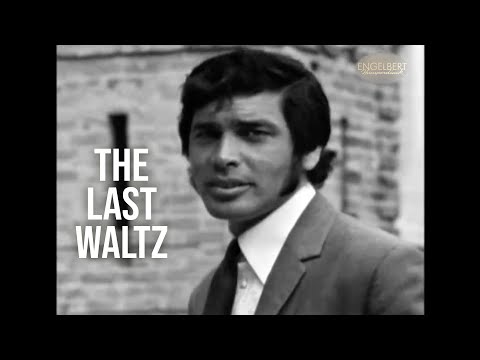


→ More from the 1960s File
View all 1960s hits →




Keep digging