The 1960s File Feature
Les Bicyclettes De Belsize
Les Bicyclettes De Belsize — Engelbert Humperdinck (1968) Engelbert Humperdinck arrived at "Les Bicyclettes de Belsize" in 1968 as one of the most commercial…
01 The Story
Les Bicyclettes De Belsize — Engelbert Humperdinck (1968)
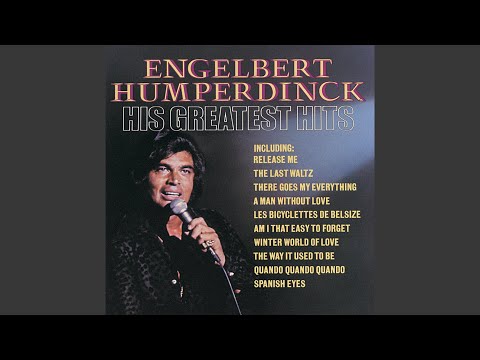
Engelbert Humperdinck arrived at "Les Bicyclettes de Belsize" in 1968 as one of the most commercially successful easy-listening and orchestral pop artists in the world. Born Arnold George Dorsey in Madras, India, in 1936 and raised in Leicester, England, he had taken the stage name Engelbert Humperdinck at the suggestion of his manager Gordon Mills, who had employed the same principle of memorable incongruity in naming another client Tom Jones. By 1968, Humperdinck had already scored massive international hits with "Release Me" and "There Goes My Everything," and he was operating at a level of commercial success that made him one of the best-selling artists in Britain and a major international figure on the adult pop market.
"Les Bicyclettes de Belsize" was released in 1968 on Parrot Records in the United States and on Decca Records in Britain, the labels that had been Humperdinck's commercial home since his breakthrough. The song was composed by Les Reed and Barry Mason, one of the most prolific and commercially successful songwriting teams in British pop of the 1960s. Reed and Mason had provided Humperdinck with several of his biggest hits, understanding his vocal style and the orchestral production mode that suited him better than almost anyone else working in the business at the time.
The song was written to accompany a short film of the same name, a romantic comedy set in the London neighborhood of Belsize Park, which straddles the border between Hampstead and Camden and had by 1968 become associated with a certain bohemian, artistic character. The film used the song as its centerpiece, and the combination of the cinematic context with Humperdinck's recording helped build awareness for both the film and the single simultaneously. This kind of cross-promotion between a short film or television appearance and a recording was a standard commercial strategy in British pop of the period.
The single reached number five on the UK Singles Chart, continuing the extraordinary run of success Humperdinck had maintained since "Release Me" reached number one in early 1967. His consistency at the top of the British charts during this period was remarkable, placing him alongside Tom Jones and Cliff Richard as one of the dominant male voices in British pop at a moment when the charts were also absorbing the influence of Jimi Hendrix, Cream, and the Rolling Stones. The coexistence of Humperdinck's orchestral pop with psychedelic rock on the same charts speaks to the remarkable diversity of the British popular music market in 1968.
The arrangement of "Les Bicyclettes de Belsize" is quintessentially of its moment, featuring lush strings, sweeping orchestral passages, and a production by Peter Sullivan that gives the track a cinematic grandeur appropriate to its film-related origins. Sullivan was one of the most experienced and capable producers in British easy-listening pop, and his work with Humperdinck across this period consistently delivered the combination of sonic richness and vocal clarity that the market demanded. The recording has a warmth and fullness that makes it immediately identifiable as a product of its era.
Humperdinck's vocal on the track displays the qualities that made him one of the most commercially successful singers of the period: a rich baritone with considerable control of dynamics and a natural facility for the sustained, emotionally expressive phrasing that the orchestral pop format required. His voice sits comfortably above the dense orchestral bed without straining or losing its warmth, a quality that required genuine technical skill to achieve reliably in a recording studio context.
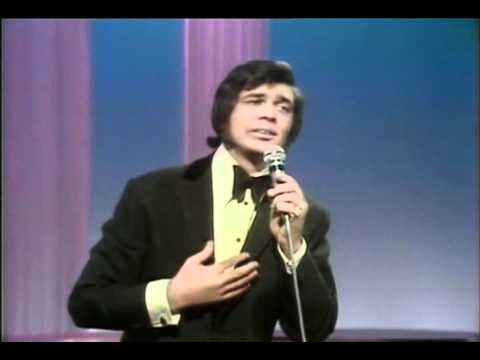
The song performed well on the Billboard Hot 100 in the United States, reaching the top 40, an indication of the substantial American market that Humperdinck had cultivated through television appearances, including multiple performances on The Ed Sullivan Show, which was then the primary vehicle for introducing British pop acts to mainstream American audiences. His American following was particularly strong among adult listeners who preferred the orchestrated pop tradition to the harder-edged rock that was becoming increasingly dominant in the youth market.
The record stands as a representative example of the late-1960s British orchestral pop tradition at its most accomplished, a genre that is often overshadowed in historical accounts by the concurrent developments in psychedelic rock and progressive music but that commanded enormous commercial audiences and produced recordings of considerable craft and melodic sophistication.
02 Song Meaning
What "Les Bicyclettes De Belsize" Is Really About
"Les Bicyclettes de Belsize," written by Les Reed and Barry Mason and recorded by Engelbert Humperdinck for Decca/Parrot Records in 1968, is an exercise in romantic idealization centered on a specific London neighborhood. Belsize Park, the area referenced in the title, sits between Hampstead and Camden in north London, a district that by the late 1960s had acquired a reputation for artistic and bohemian culture. The bicycles of the title are not merely vehicles but symbols of a carefree, romantic mode of moving through a particular kind of urban space, a space associated with creativity, leisure, and a certain gentle pleasure in the texture of daily life.
The song belongs to a tradition of place-specific romantic pop that was particularly common in British popular music of the 1960s, a tradition that used named locations to evoke specific emotional and social atmospheres. By naming Belsize Park specifically, rather than describing a generic romantic setting, the song participates in the cultural project of mapping emotional meaning onto the city. The song says something not just about love in the abstract but about the particular quality of romantic experience available in this corner of London during this specific period.
The lyrical mood of the song is nostalgic and celebratory simultaneously, dwelling on the pleasure of simple things, the sight of bicycles in a pleasant neighborhood, the feeling of being in the right place at the right time, the specific texture of a romantic urban afternoon. This combination of nostalgia and celebration was characteristic of the best British orchestral pop of the period, which tended to find its emotional center in the relationship between personal feeling and a specific, recognizable world.
Humperdinck's vocal interpretation brings warmth and romantic sincerity to the material without sentimentality. His ability to inhabit a lyric without appearing to manufacture emotion was one of his primary assets as a recording artist, and it serves the song well here. The song's connection to a short film of the same name gives it a slightly cinematic quality, as though the listener is seeing as well as hearing, watching bicycles move through sun-dappled London streets while the narrator reflects on the romantic atmosphere of the place and moment.
Within Humperdinck's catalog, the song represents a slightly more playful and location-specific entry compared to his more broadly romantic ballads. The French title, applied to an English setting, adds a layer of European sophistication to the recording's identity, nodding to the continental pop tradition while remaining firmly rooted in the British easy-listening sound. This combination of cultural references was characteristic of the international pop market of the late 1960s, in which artists and producers were aware of multiple national traditions and drew on them selectively for effect.
Reed and Mason's songwriting, which produced a remarkable series of hits for Humperdinck and others during this period, is characterized by strong melodic instinct and an ability to write lyrics that are specific enough to evoke a genuine atmosphere without being so particular that they exclude any listener who doesn't know the specific reference. "Les Bicyclettes de Belsize" achieves this balance well: the Belsize Park reference gives the song a particular quality of place, but the emotional content is accessible to any listener who has experienced the pleasure of a romantic afternoon in a pleasant urban neighborhood, wherever that neighborhood might be.
→ More from Engelbert Humperdinck
View all Engelbert Humperdinck hits →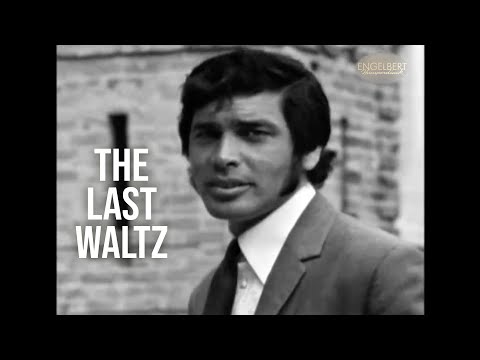


→ More from the 1960s File
View all 1960s hits →




Keep digging