The 1960s File Feature
Someday We'll Be Together
"Someday We'll Be Together" — Diana Ross and The Supremes' Triumphant Farewell The End of an Era Wrapped in a Number One Imagine the closing weeks of 1969: t…
01 The Story
"Someday We'll Be Together" — Diana Ross and The Supremes' Triumphant Farewell
The End of an Era Wrapped in a Number One
Imagine the closing weeks of 1969: the decade that remade American culture was drawing to a close, and Motown Records was preparing a transition that would reshape its most famous group forever. Someday We'll Be Together arrived in that charged atmosphere as the final single released by Diana Ross and The Supremes as a unit, and it carried the weight of that historical moment in every note. The song became the last number-one single of the 1960s, reaching the top of the Billboard Hot 100 during the final week of the decade, on December 27, 1969. That timing was not accidental; it felt almost mythological, as though the charts themselves were acknowledging the closing of one chapter and the opening of another.
Origins and Production
The song had a longer and more complicated history than its breezy surface suggested. Written by Johnny Bristol, Harvey Fuqua, and Jackey Beavers, the track was originally recorded as early as 1961, though that early version remained unreleased for years. When Motown brought it to The Supremes in 1969, Johnny Bristol produced and arranged the recording, giving it the warm, orchestrated quality that became its signature. A notable element of the finished recording was the presence of Bristol's own voice, audible in the background responding to Diana Ross's lead vocal, a detail that gave the track an unexpectedly intimate quality for a major label pop production. The result felt both grandiose in its orchestral ambition and personal in its emotional texture.
Diana Ross's Final Chapter with the Group
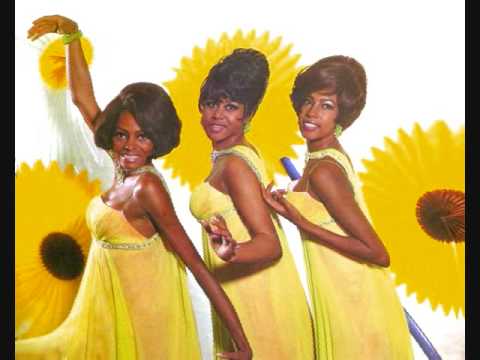
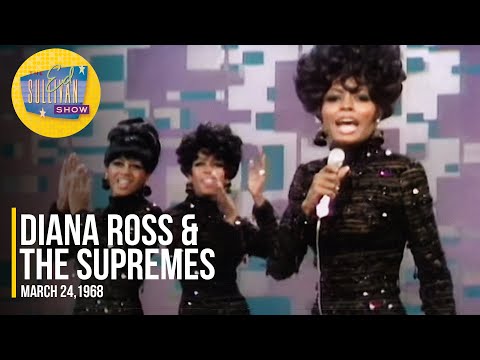
By the time Someday We'll Be Together was released, it was widely known within the industry that Diana Ross was preparing to leave The Supremes for a solo career. The departure had been telegraphed through Motown's own press machinery, and fans who paid attention to industry news understood they were witnessing the end of something. The Supremes had been Motown's flagship act through much of the 1960s, generating twelve number-one pop singles and defining the sound and image of the label's crossover ambitions. Ross, Mary Wilson, and Cindy Birdsong delivered one final performance together that December, though the circumstances of who sang what on the actual recording have been a subject of discussion among music historians.
The Chart Journey
The single debuted at number 50 on the Hot 100 on November 8, 1969, and climbed with the kind of determination that had characterized The Supremes' chart history throughout the decade. It moved through 34, then 20, then 11, approaching the summit with steady momentum. On December 27, 1969, it reached number one, where it remained as the year turned. The song spent 8 weeks on the Hot 100 total, a run that felt poignant given the context: every week it charted was another week of an ending being drawn out in public view. The record's commercial success validated the decision to give the group's farewell this particular song rather than a more dramatic or experimental statement.
A Legacy That Outlived the Group
The song's legacy operates on multiple levels. As a piece of popular music, it is a gracefully constructed pop-soul record that holds up on its own terms. As a historical artifact, it marks one of the most significant personnel transitions in the history of American popular music. Diana Ross would go on to a solo career of considerable magnitude, while The Supremes continued under different lineups for years afterward. The emotional warmth embedded in the lyrics, with their promise of reunion and their insistence on enduring connection, took on additional resonance given the circumstances of the recording. Listeners who knew the story heard something beyond a love song in those words.
Press play and find yourself standing at the exact moment when the 1960s handed the world off to the decade to come.
"Someday We'll Be Together" — Diana Ross & The Supremes' singular moment on the 1960s charts.
02 Song Meaning
"Someday We'll Be Together" — A Promise Across Time and Change
The Theme of Deferred Reunion
At its center, Someday We'll Be Together is a song about separation and the refusal to accept it as permanent. The narrator addresses someone from whom they are divided, insisting that this division is temporary, that the future holds a reunion that will make the distance feel worthwhile. The emotional logic of the song is fundamentally optimistic, even as it acknowledges present-tense pain. This combination of honesty about difficulty and insistence on hope gave the track its particular emotional power, making it feel neither falsely cheerful nor defeated. It occupied a middle ground that corresponded to how most people actually experience longing.
Personal and Historical Resonance
The song arrived in December 1969 as a formal farewell to a group whose internal relationships were genuinely complicated. Diana Ross's impending departure from The Supremes meant that the promise of togetherness embedded in the lyrics carried an ironic weight for audiences who knew the backstory. The song's theme of reunion became, in context, a kind of wishful thinking about a group that was actively separating. This gap between lyrical content and biographical reality gave the record a layer of meaning that pure pop analysis could not fully account for. Listeners heard both the song itself and the story surrounding it, and the two made each other richer.
The Gospel Substructure
The emotional architecture of the song draws on gospel music's tradition of forward-looking faith. The certainty expressed about future reunion, the acceptance of present suffering as temporary, the communal warmth of the vocal performance — all of these reflect a tradition of Black church music that runs beneath a great deal of the best soul and R&B. Motown had always understood this connection and leaned into it strategically, crafting productions that borrowed gospel's emotional intensity while packaging it in pop-accessible formats. The result reached across racial and religious lines, offering the emotional sustenance of that tradition to listeners who might never have set foot in a Black church.
Love as Constancy
The lyrical perspective of the song positions love as something that persists through circumstance rather than depending on it. Physical togetherness is acknowledged as impossible in the present moment, but the emotional bond described is presented as stronger than that obstacle. This framing resonated deeply with audiences in late 1969, when the decade's enormous social disruptions had separated families, communities, and couples in countless ways. Young men had shipped off to Vietnam; civil rights activism had uprooted lives; the counterculture had created generational distances between parents and children. A song about the endurance of connection despite separation spoke directly to those circumstances without ever addressing them explicitly.
Why It Endures
The reason Someday We'll Be Together continues to move listeners is not primarily historical. The circumstances that made it a cultural touchstone in 1969 are now decades removed. What endures is the song's emotional precision: the way it captures the particular quality of loving someone across a distance, the specific mixture of pain and certainty that characterizes that experience. Diana Ross's vocal carries those feelings with a grace that transcends period and context, making the song accessible to anyone who has ever waited for a reunion they were not certain would come. That emotional truth is what transforms a pop record into something closer to a lasting statement about the human condition.
→ More from Diana Ross & The Supremes
View all Diana Ross & The Supremes hits →

→ More from the 1960s File
View all 1960s hits →




Keep digging