The 1950s File Feature
M.T.A.
The Kingston Trio Ride the Rails on M.T.A. It is the summer of 1959, and the folk revival is sweeping clean-cut college campuses and coffeehouses across Amer…
01 The Story
The Kingston Trio Ride the Rails on "M.T.A."
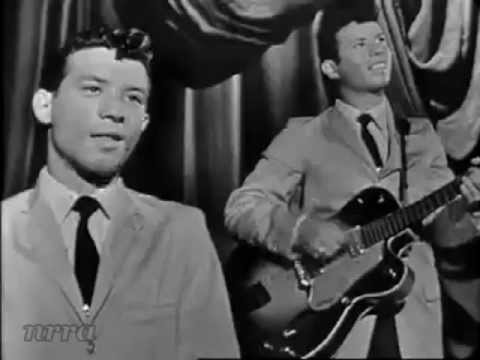
It is the summer of 1959, and the folk revival is sweeping clean-cut college campuses and coffeehouses across America. Leading the charge are three sharply dressed young men in striped shirts, harmonizing their way to national stardom. The Kingston Trio had already proven that traditional folk music could top the pop charts, and now they turned a quirky old protest tune into one of the most charming novelty hits of the era. "M.T.A." rolled onto the Billboard Hot 100 carrying a story about a man trapped forever on the Boston subway, and audiences could not get enough.
The Faces of the Folk Revival
The Kingston Trio arrived at exactly the right moment. Their breakthrough with "Tom Dooley" in 1958 had introduced mainstream America to a polished, accessible brand of folk music, scrubbed clean and tailored for a wide audience. They were wholesome, collegiate, and irresistibly catchy, and they helped ignite a folk boom that would shape the early sixties. By the time of "M.T.A.," the group was a genuine phenomenon, their albums selling in enormous numbers and their tight harmonies defining the sound of the revival.
A Song With a Curious History
"M.T.A." tells the tale of a hapless rider named Charlie, who boards Boston's subway system only to find he lacks the fare for an exit charge and is doomed to ride beneath the city forever. The song had originally been written years earlier as a campaign tune for a mayoral candidate protesting a transit fare increase. The Kingston Trio recognized the comic gold in that premise and adapted it into a bouncy, story-driven sing-along. Their version brightened the satire into pure good humor, the kind of musical tall tale that invites listeners to chuckle and hum along at once. The character of Charlie would go on to give his name to Boston's modern transit fare card. The song was based on a 1949 campaign tune protesting a subway fare increase, a piece of local political history the trio polished into national entertainment.
From Protest Tune to Pop Hit
The journey of "M.T.A." from obscure campaign jingle to top-twenty smash says a great deal about the Kingston Trio's particular genius. The folk revival was full of groups digging through old songbooks and forgotten regional tunes, but few had the trio's instinct for shaping that raw material into something a mass audience would embrace. They understood pacing, melody, and the value of a vivid character at the center of a song. By turning the faceless complaint of a fare protest into the misadventure of a specific, sympathetic rider, they gave listeners someone to root for. That storytelling craft separated them from the purists and helped them sell records by the millions. They were folk music's great popularizers, and this track is a textbook example of how they did it.
A Sturdy Climb to Number Fifteen
The single performed handsomely on the pop chart. "M.T.A." debuted at number 74 on June 15, 1959, then climbed quickly, leaping to 49, then 28, then 18, then 15. It peaked at number 15 on July 13, 1959, and it enjoyed a healthy run of eleven weeks on the Billboard Hot 100. Landing a top-twenty hit with a comic folk narrative confirmed just how thoroughly the Kingston Trio had captured the national mood. They had a gift for taking material that might have stayed regional or obscure and polishing it into something every radio listener could enjoy.
A Beloved Folk Standard
Decades on, "M.T.A." remains one of the Kingston Trio's most cherished recordings, a staple of folk songbooks and sing-alongs. Its enduring presence in Boston culture, right down to that transit card named for poor Charlie, speaks to how deeply the song lodged itself in the popular imagination. The Kingston Trio's larger legacy is enormous, having helped pave the way for the folk explosion that followed, and this charming subway saga is one of the brightest jewels in their catalog.
Hop aboard and ride along with Charlie, the irresistible harmonies that made folk music a chart sensation. Press play and let the Kingston Trio take you on the train that never stops.
"M.T.A." — The Kingston Trio's singular moment on the 1950s charts.
02 Song Meaning
The Meaning Behind The Kingston Trio's "M.T.A."
On its surface, "M.T.A." is a comic yarn about a man stuck riding the Boston subway for eternity. Dig a little, though, and you find a sly piece of social commentary wrapped in a sing-along. The song uses absurd humor to protest a very real grievance, making it one of the most disarming protest tunes ever to climb the pop charts.
A Comic Tale of Injustice
The story follows Charlie, who boards the train, discovers he cannot afford a surprise exit fee, and is condemned to ride forever beneath the streets. The central theme is the absurdity of a system that traps ordinary people, dramatized through one man's ridiculous predicament. The humor never undercuts the point; it sharpens it, making the listener laugh and grumble in equal measure.
Protest in a Pop Disguise
The song began life as a campaign tune objecting to a transit fare hike, and that origin lives on in its bones. The emotional message is gentle outrage at petty institutional unfairness, the maddening logic of a fee that punishes the powerless. By dressing the complaint in a catchy melody, the Kingston Trio slipped a bit of populist grievance past the radio without sounding preachy.
The Folk Revival's Social Conscience
Arriving in 1959, the song reflected folk music's deep tradition of storytelling and social commentary. The track carries the genre's habit of siding with the common person, of finding the human cost in a bureaucratic decision. It was protest made friendly, a hallmark of the era's accessible folk boom.
The Everyman Trapped by the System
Charlie is more than a punchline; he is a small, sympathetic everyman. The song casts an ordinary citizen as the victim of an indifferent bureaucracy, and that framing is what gives the comedy its bite. Anyone who has ever been caught out by a rule they did not know existed can see themselves in his predicament. His wife famously hands him a sandwich through the train window each day, a detail that turns absurdity into something almost touching. Charlie endures, the song suggests, but he never escapes, a gently pointed image of how the powerless get stuck while the system rolls on.
Why It Charmed Listeners
Audiences loved the song because it made them feel clever and entertained at once. The track turns frustration into delight, letting people laugh at a shared annoyance while humming a memorable tune. Poor Charlie became a folk hero of sorts, a stand-in for everyone who has felt nickel-and-dimed.
An Enduring Folk Fable
The meaning endures because the grievance it captures never really disappears. Everyone has felt trapped by a senseless rule or an unexpected fee, and few songs have turned that feeling into something so joyfully singable. "M.T.A." remains a perfect little parable of humor used to soften a real complaint.
→ More from The Kingston Trio
View all The Kingston Trio hits →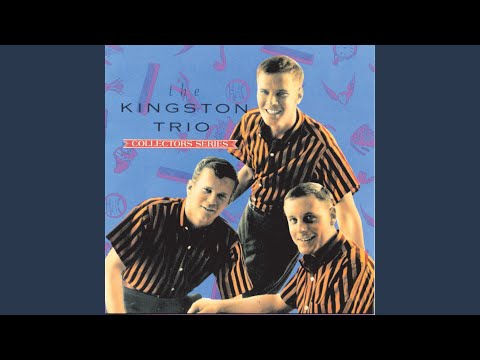


→ More from the 1950s File
View all 1950s hits →

Keep digging