The 1960s File Feature
Scotch And Soda
"Scotch And Soda" — The Kingston Trio Folk Revival at the Turn of the Decade The early 1960s were a curious, transitional moment for American popular music. …
01 The Story
"Scotch And Soda" — The Kingston Trio
Folk Revival at the Turn of the Decade
The early 1960s were a curious, transitional moment for American popular music. Rock and roll had shaken the foundations of the previous decade, but a parallel current of acoustic folk music was gathering remarkable commercial momentum. The Kingston Trio sat near the center of that current, having broken through with dramatic force in 1958 when "Tom Dooley" reached number one and introduced millions of American listeners to something that felt simultaneously ancient and fresh. By 1962, the group was navigating the complexities of sustained popularity, looking for the kind of material that could maintain an audience without repeating themselves. Scotch And Soda, drawn from their back catalog and released as a single in the spring of that year, was a quieter, more intimate bet than their signature material.
An Unlikely Hit from the Vault
The track had actually appeared on an earlier Kingston Trio album rather than being written specifically as a single. Dave Guard, one of the group's founding members, is credited with writing "Scotch And Soda," though the composition has the feel of something worn smooth by many tellings. The song describes a barroom state of mind with an unusual emotional specificity: the narrator is neither celebrating nor drowning sorrows in the conventional sense, but suspended in a kind of pleasant haze, observing the world through the pleasant distortion of mild intoxication. The mood is more melancholy than merry, and the gentleness of the arrangement suits it perfectly. Where the Trio's bigger hits often had momentum and drama, this one sits still and lets feeling do the work.
Intimacy as Commercial Strategy
The production on Scotch And Soda is deliberately spare. Acoustic guitars, close harmonies, and a tempo that never pushes. The Kingston Trio's vocal blend is the instrument here, and the song showcases it with an honesty that a fuller arrangement might have obscured. In 1962, with the music industry beginning to shift toward larger production values and a more polished pop sound, this kind of restraint was genuinely countercultural in the lowercase sense. The folk audience that supported the Trio was drawn to exactly this quality: the sense that the music was being made in the same room as the listener, without amplification or artifice. Whether or not that was literally true in the studio, the record created that impression.
Chart Performance and Context
The single entered the Billboard Hot 100 on April 28, 1962, debuting at number 91. Its ascent was gradual and modest, reflecting a track that found its audience through repetition on radio rather than through immediate enthusiasm. The song reached its peak position of number 81 during the week of June 9, 1962, spending 7 weeks on the chart. Those numbers tell the story of a record that held its position through the warmth of summer radio play, the kind of song that disc jockeys returned to because listeners found it comfortable rather than demanding. The chart run was not spectacular by the standards of the group's biggest moments, but it demonstrated the loyalty of the audience they had built.
The Trio's Enduring Craft
The Kingston Trio managed a rare commercial achievement in the late 1950s and early 1960s: they made acoustic folk music genuinely popular on a mass scale, paving roads that Bob Dylan, Peter Paul and Mary, and many others would travel. Scotch And Soda represents a quieter side of that achievement. There is no topical urgency in the song, no folk-protest spirit, no story of murder or betrayal. There is instead a careful attention to a specific emotional state and the craft to render it in sound. That craft remains audible. Give it a listen and let the three-part harmony settle around you like a slow afternoon.
"Scotch And Soda" — The Kingston Trio's singular moment on the 1960s charts.
02 Song Meaning
The Meaning of "Scotch And Soda" — The Kingston Trio
The Pleasures of Suspension
There is a particular emotional state that Scotch And Soda attempts to capture, and it is subtler than simple inebriation. The song describes the pleasant softening of the world's edges that comes from a drink or two, a state in which ordinary things acquire a gentle glow and the usual anxieties recede slightly. This is not a song about drunkenness or escape from pain in any dramatic sense. It is a song about suspension, about being pleasantly between states, neither fully engaged with the world nor withdrawn from it. In 1962, that kind of emotional nuance in a pop song was genuinely unusual. Most popular music of the era dealt in more declarative emotions: love, heartbreak, excitement, longing with clear resolution.
Barroom Philosophy
The bar has long served as a setting for philosophical reflection in American folk and country music. The Kingston Trio brought that tradition into a folk-pop context that could reach listeners who might never have listened to traditional country music or the rougher edges of the blues. In this song, the bar is not a place of danger or excess; it is a kind of meditation chamber, a place where the narrator can sit with his thoughts at a comfortable remove from whatever obligations and pressures define his ordinary life. The image of sitting quietly with a drink while the world moves around you has a democratic appeal. Anyone who has sat alone at a bar at a quiet hour and felt that particular combination of contentment and mild melancholy will recognize the emotional truth the song is reaching for.
Harmony as Emotional Architecture
Part of what gives Scotch And Soda its distinctive emotional texture is the way the Kingston Trio's three-part harmony functions. Harmonized voices create a warmth that a solo vocal cannot fully replicate, a sense of something shared and held together. In a song about a solitary emotional state, that harmonic warmth creates a productive tension. The narrator may be alone at the bar, but the music wrapping around his experience is communal, which suggests that the feeling itself is universal even if the moment is private. This is one of folk music's most reliable emotional tricks, and the Trio execute it with practiced ease.
Cultural Comfort in Uncertain Times
1962 was a year of considerable anxiety in American life. The Cuban Missile Crisis unfolded in October of that year, bringing the possibility of nuclear confrontation closer than it had ever seemed. The Civil Rights Movement was accelerating toward confrontations that would reshape the country. Against that backdrop, a gentle song about the pleasures of a quiet drink carried its own kind of cultural function. Not every piece of popular music needs to engage directly with historical events. Sometimes the function of art is to provide a corner of calm, a few minutes of feeling that ordinary pleasures are worth protecting. Scotch And Soda served that function without condescension or false cheer.
Quiet Resonance
The song's lasting appeal rests on its emotional honesty. Dave Guard wrote something that did not reach for easy effect and did not need to. The restraint is the point. By refusing to dramatize or moralize about the experience it describes, the song earns its quiet authority. Listeners in 1962 and listeners today encounter a piece of music that trusts them to recognize a common human experience without being told exactly how to feel about it. That trust is rarer in popular music than it should be, and when it appears, it tends to keep songs alive long after their chart moment has passed.
→ More from The Kingston Trio
View all The Kingston Trio hits →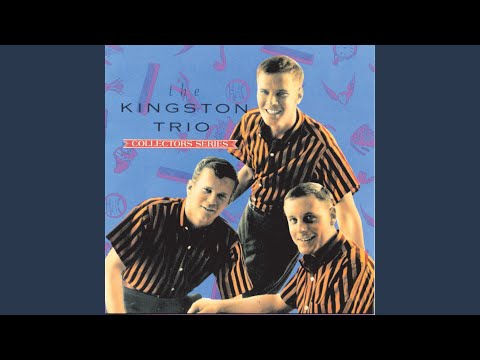

→ More from the 1960s File
View all 1960s hits →




Keep digging