The 2020s File Feature
Wash Us In The Blood
Wash Us In The Blood: Kanye West's Spiritual Statement from a Turbulent Creative Period "Wash Us In The Blood" arrived in June 2020 as the lead single from K…
01 The Story
Wash Us In The Blood: Kanye West's Spiritual Statement from a Turbulent Creative Period
"Wash Us In The Blood" arrived in June 2020 as the lead single from Kanye West's album Donda, a project that would undergo an extraordinarily prolonged and public development process before its eventual release in 2021. The single was one of the more significant musical moments of a year already saturated with events that generated reflection on violence, systemic injustice, and the possibility of redemption. Its release coincided almost exactly with the height of the protests following the murder of George Floyd, giving its themes of suffering, guilt, and the desire for spiritual cleansing an immediate and devastating cultural context.
The song featured Travis Scott, whose contribution brought additional commercial profile and creative energy to what was already one of the year's most anticipated musical releases. Scott's relationship with West had been established through previous collaborations, and his presence on this track was consistent with his role as one of the genre's most commercially potent and creatively interesting presences. The combination of West's production and conceptual vision with Scott's performance created a track that was both sonically immediate and thematically substantial.
Production credits for "Wash Us In The Blood" reflect the collaborative approach that has characterized West's work across his career. The production deployed samples and sonic elements characteristic of the gospel-inflected spiritual direction that had been central to West's output since his Sunday Service performances and the release of Jesus Is King in 2019. The track builds from a relatively spare foundation to a more intense and layered sound, creating a sense of musical and emotional escalation appropriate to its themes.
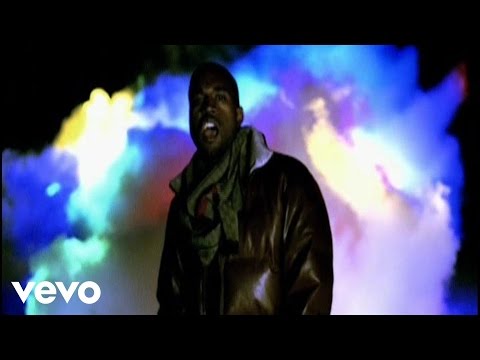
The accompanying visual component was directed by Arthur Jafa, one of the most significant visual artists working at the intersection of cinema, art, and Black culture. Jafa's video set the music against archival footage and contemporary imagery depicting Black American experience, protest, joy, and grief, creating a visual context that amplified the song's themes with extraordinary force. The combination of West's music and Jafa's visual intelligence produced one of the most powerful pieces of music video art of 2020, widely recognized as a significant artistic statement in its own right rather than merely a promotional vehicle for the song.
The Arthur Jafa video received extensive coverage in art and culture media well beyond music press, discussed in the context of visual art, documentary practice, and activist aesthetics as well as in purely musical terms. This broader critical reception gave "Wash Us In The Blood" a cultural reach that extended beyond the typical boundaries of a pop or hip-hop single, positioning it as a work with artistic ambitions and achievements that warranted serious critical engagement.
Commercially, the song debuted on the Billboard Hot 100 following its release in June 2020, accumulating streaming numbers that reflected both Kanye West's enormous installed listener base and the heightened attention generated by the cultural moment of its release. The song also appeared on streaming charts and in music media coverage as one of the significant releases of a year defined by extraordinary events. West's commercial reach, even during a period of public controversy and unpredictable behavior that had generated mixed reactions among fans and media alike, remained substantial.
The release of "Wash Us In The Blood" as a single was part of the prolonged buildup to the Donda album, a process that would involve public listening events in stadiums, multiple announced and then delayed release dates, and an extended public creative process that generated enormous media attention while testing the patience of fans and industry observers. The single represented one of the cleaner, more focused moments in this otherwise sprawling and chaotic period.
Critical reception was largely positive, with reviewers noting the song's emotional and spiritual seriousness, the quality of the production, and the exceptional work in Jafa's visual component. The combination of musical ambition and visual artistry was recognized as achieving something more significant than a typical commercial single, and the song was included in multiple end-of-year lists recognizing the significant musical moments of 2020.
The broader context of Kanye West's evolving public religious identity gave "Wash Us In The Blood" additional significance within his personal narrative. His embrace of Christian faith and its expression in his music had been a defining feature of his work since approximately 2019, and this track represented a continuation and deepening of that commitment. The specificity of the song's spiritual imagery, invoking baptismal purification and the language of redemption, reflected a genuine engagement with Christian theological concepts rather than superficial appropriation of religious language for commercial purposes.
In retrospect, "Wash Us In The Blood" stands as one of the more artistically coherent moments in an often chaotic period of Kanye West's public and creative life, a record that successfully integrated spiritual aspiration, political consciousness, and musical ambition into a single work of genuine force and significance.
02 Song Meaning
Spiritual Purification and Collective Guilt in "Wash Us In The Blood"
"Wash Us In The Blood" draws on one of the deepest wells of imagery in the Christian theological tradition: the concept of blood as a purifying and redemptive agent, capable of washing away sin and restoring the individual or community to a state of grace. This imagery, central to Christian liturgical language and hymnody for centuries, carries an intense emotional charge that the song deploys with conscious deliberateness. The invocation of blood as purification is not merely decorative or historical but functions as a genuine theological statement about sin, suffering, and the possibility of redemption.
The song arrives at this spiritual framework from a very specific contemporary context. Released at a moment when the United States was convulsed by protests over racial violence and systemic injustice, the invocation of collective guilt and the need for purification carried an unmistakable political resonance. The "blood" in the song's title can be read as simultaneously the blood of Christ in its theological sense, the blood of those who have suffered violence, and the guilt that stains a society that has permitted and perpetuated that violence. These meanings are not mutually exclusive but layered, giving the song an emotional and symbolic density appropriate to the weight of the moment.
Kanye West's engagement with Christianity in his creative work had been deepening since approximately 2019, and "Wash Us In The Blood" represents a sophisticated application of that spiritual framework to the specific historical moment of its release. The song does not treat faith as comfort or escape from the realities of racial violence and systemic injustice; instead it treats faith as a lens through which those realities can be confronted with both honesty and hope. This is a more demanding theological position than simple reassurance would require.
The collective grammar of the song's title is significant: the request is not to wash the speaker individually but to wash "us," implicating the speaker in a shared condition of guilt and need for redemption. This collective framing refuses individual exceptionalism and insists on a form of shared responsibility that is both theologically orthodox, sin as a universal human condition, and politically charged, acknowledging collective responsibility for systems of violence and injustice.
Travis Scott's contribution adds an additional perspective and energy to the song's spiritual and emotional content. His presence connects the track to the broader contemporary hip-hop landscape while grounding it in the specific musical vocabulary of the post-trap era. The combination of his performance with West's production and conceptual vision creates a track that is simultaneously rooted in contemporary hip-hop sounds and reaching toward something more ancient and weighty in its thematic concerns.
The Arthur Jafa visual component extends and deepens the song's meaning by setting it against imagery of Black American experience in ways that make the spiritual framework concrete and specific rather than abstract and universal. The visual juxtaposition of joy and grief, of protest and beauty, of suffering and resilience, that characterizes Jafa's work gives the song's call for purification a specific historical and social location, connecting the theological language to the lived experience of a community that has sustained enormous suffering while maintaining remarkable spiritual and cultural vitality.
Within Kanye West's catalog, "Wash Us In The Blood" represents one of the more successful integrations of his spiritual preoccupations with the political consciousness that had always been present in his most significant work. The song demonstrates that genuine religious faith and political engagement are not mutually exclusive but can inform and deepen each other, producing art that is simultaneously more spiritually serious and more politically conscious than either dimension alone would allow. This integration gives the song a significance that extends beyond its immediate commercial context into the larger question of what art can do in moments of historical crisis.
→ More from Kanye West Featuring Travis Scott
View all Kanye West Featuring Travis Scott hits →



→ More from the 2020s File
View all 2020s hits →


Keep digging