The 2020s File Feature
Believe What I Say
Believe What I Say: Kanye West Returns to Gospel-Tinged Sample Rap in 2021 "Believe What I Say" arrived as one of the more surprising and critically warmly r…
01 The Story
Believe What I Say: Kanye West Returns to Gospel-Tinged Sample Rap in 2021
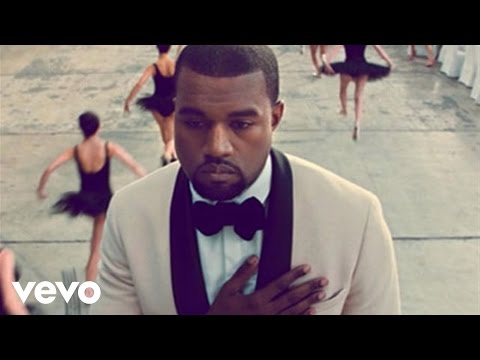
"Believe What I Say" arrived as one of the more surprising and critically warmly received moments on Kanye West's tenth studio album, Donda, which was officially released on August 29, 2021, via GOOD Music and Def Jam Recordings. The album had one of the most protracted and publicly scrutinized rollouts in recent music history, with multiple listening events held in stadium venues and several projected release dates that came and went before the final version appeared on streaming platforms. By the time "Believe What I Say" reached listeners, it had already built considerable anticipation among fans who had caught it during the album's preview events.
The song drew its most immediate attention from its sample source. "Believe What I Say" prominently samples Lauryn Hill's 1998 track "Doo Wop (That Thing)", looping and restructuring the vocal melody from Hill's landmark solo debut into a driving, gospel-inflected backdrop. The sample choice was considered inspired by many critics, given how naturally Hill's voice and the original track's cadences blended with the emotional register West was aiming for on Donda as a whole. The album was dedicated to West's late mother, Donda West, who died in 2007, and the choice of a sample that carried such weight and warmth in its source material felt thematically consistent with that memorial context.
Production on "Believe What I Say" reflected the blend of vintage soul and contemporary trap architecture that West had been developing across his career, with its most direct antecedent being the chipmunk-soul sampling style he popularized on his debut album The College Dropout in 2004. The track represented something of a return to that mode after years of exploring harsher, more industrial sonic terrain on albums like Yeezus and ye. Critics who had grown impatient with West's more abrasive recent work responded positively, with several noting that "Believe What I Say" was evidence that his ear for sample selection and melodic construction remained among the most refined in mainstream hip-hop.
Donda as a project debuted at number one on the Billboard 200, and its enormous length, running to over two hours of material with 27 tracks on the standard edition, meant that individual songs spread across the streaming counts in ways that complicated simple chart narratives. "Believe What I Say" was among the songs from Donda that charted on the Billboard Hot 100, benefiting from the album's massive opening-week streams and the sustained attention that accompanied the months-long rollout. The song also performed well on Billboard's Hot Rap Songs chart, where West maintained a consistent presence throughout 2021.
The Lauryn Hill connection brought additional cultural discussion. Hill had been relatively reclusive in the years preceding the sample's release, and her music remained deeply embedded in the cultural memory of a generation that had grown up with The Miseducation of Lauryn Hill as a touchstone. West's decision to center her voice so prominently in "Believe What I Say" was read by many listeners as an act of homage, a deliberate alignment of his project's spiritual and emotional aspirations with the tradition of Black music that Hill's album represented.
Live performances of the song were previewed at the Atlanta and Chicago listening events that preceded the album's release, held at Mercedes-Benz Stadium and Soldier Field respectively. These events drew tens of thousands of attendees and generated extensive media coverage, helping to establish the album's emotional stakes before a single note was officially available for streaming. The stadium context gave songs like "Believe What I Say" an almost liturgical quality, with the crowd responding to the familiar sample with recognition and something approaching reverence.
The song was produced by a team that included contributions from multiple collaborators across Donda's extensive sessions, which stretched across months in studios in Wyoming, Atlanta, and Chicago. West's production process on Donda was notably communal, with dozens of producers and artists cycling through sessions, and "Believe What I Say" emerged from that collaborative environment as one of the project's more focused and cohesive moments. Its relative conciseness compared to some of the album's more sprawling compositions made it a natural entry point for listeners encountering Donda for the first time, and it received consistent playlist placement in the months following the album's release.
02 Song Meaning
Believe What I Say: Faith, Redemption, and the Weight of Testimony
"Believe What I Say" occupies a particular position within the emotional architecture of Donda, functioning as one of the album's most direct expressions of faith and personal testimony. The title itself is a form of invocation, an appeal to trust addressed simultaneously to God, to the listening public, and perhaps to West himself at a moment in his life when credibility, artistic and personal, was under intense scrutiny. The song asks to be believed at the precise moment when belief was hardest to extend.
The track's gospel undertow, reinforced by the Lauryn Hill sample, situates it in the tradition of Black sacred music that has always run alongside hip-hop rather than being separate from it. West has throughout his career positioned himself as a bridge between secular rap ambition and spiritual seeking, most explicitly on The College Dropout's "Jesus Walks" and later on the Jesus Is King album that preceded Donda. "Believe What I Say" continues that project but with a lighter touch, allowing the sample's warmth to carry much of the devotional weight rather than making it explicit through lyrical declaration.
Within the context of Donda as a memorial album, "Believe What I Say" functions as an expression of continuing relationship with the person being mourned. West's verses address themes of longing, of feeling guided by someone no longer physically present, and of the difficulty of maintaining faith in the face of loss and public humiliation. The song treats belief as something active and effortful rather than passive and given, a quality that gives it more emotional complexity than straightforward expressions of faith tend to allow.
The Lauryn Hill sample is not merely decorative. Hill's voice carries specific historical and emotional freight for listeners who know its source: "Doo Wop (That Thing)" was itself a song about authenticity and self-respect, about the gap between how people present themselves and who they actually are. That thematic subtext resonates with West's preoccupations throughout Donda, where questions of identity, public image, and private truth recur. By sampling Hill, West is not just borrowing a melody but activating a conversation about what it means to speak truthfully in a world structured around performance.
The emotional register of "Believe What I Say" is more tender and less confrontational than much of the album that surrounds it. Where other Donda tracks pursue themes of spiritual warfare and public vindication with considerable aggression, this song asks rather than demands. That quality of asking, of petition rather than proclamation, distinguishes it from the more triumphalist moments elsewhere on the record and gives it a vulnerability that resonates across repeated listens.
Within West's broader catalog, the song can be heard as part of a long meditation on the costs and consolations of faith. From his early career declarations about God's role in his success, through the dark night of the soul that preceded ye, to the explicitly Christian music of Jesus Is King, West has circled these questions with unusual persistence for a mainstream rap artist. "Believe What I Say" does not resolve that long conversation but enriches it, adding the specific grief of maternal loss and the particular exhaustion of someone who has spent years being disbelieved to a spiritual project that was always more personal than its public presentation suggested. The song invites listeners to sit with uncertainty rather than transcend it, which may be its most honest and enduring quality.
→ More from Kanye West
View all Kanye West hits →
→ More from the 2020s File
View all 2020s hits →

Keep digging