The 2010s File Feature
Overdose
YoungBoy Never Broke Again's "Overdose": Baton Rouge's Most Prolific Voice at Full Speed YoungBoy Never Broke Again, born Kentrell DeSean Gaulden in Baton Ro…
01 The Story
YoungBoy Never Broke Again's "Overdose": Baton Rouge's Most Prolific Voice at Full Speed
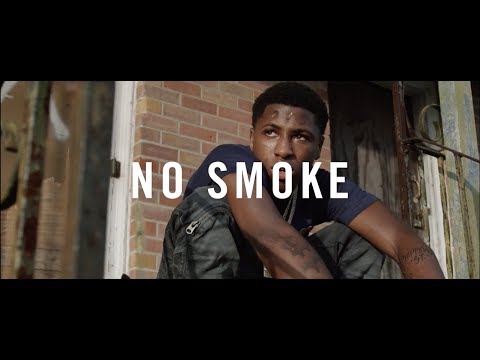
YoungBoy Never Broke Again, born Kentrell DeSean Gaulden in Baton Rouge, Louisiana, was nineteen years old in 2018 and already operating at a pace of creative output that defied easy categorization. "Overdose" appeared within a period of extraordinary productivity that saw the artist release multiple projects in a single year while simultaneously navigating legal issues, personal turbulence, and the escalating expectations that came with his rapid rise from regional phenomenon to nationally recognized rap force. The song exemplifies the qualities that made YoungBoy one of the most compelling and commercially effective voices of the late 2010s streaming era.
YoungBoy's trajectory from Baton Rouge to national prominence had been unusually direct and unusually fast. He had begun recording as a teenager in genuinely difficult personal circumstances, and his music had accumulated a following on YouTube and streaming platforms through sheer volume and emotional immediacy rather than through conventional industry promotional infrastructure. His authenticity, in the sense that his music clearly emerged from the specific conditions of his life rather than from calculated audience research, was the central quality that his audience identified as distinguishing him from more polished or industry-mediated contemporaries.
YoungBoy Never Broke Again signed with Atlantic Records, a major label deal that gave him distribution and promotional reach while allowing the raw, unprocessed quality of his creative output to remain largely intact. Atlantic's approach to his signing reflected a broader industry recognition that the streaming era had created a category of artist, the platform-native rapper with massive streaming numbers and devoted fan communities, who required different handling than the conventional radio-promotion model that had defined major label strategy for decades.
His 2018 output included multiple projects released across the year, including "Until Death Call My Name" and the associated reloaded version, as well as numerous loosies and collaborative tracks. This pace of release was consistent with an approach to music that treated recording as an ongoing process rather than a periodically culminating event, which aligned him with older mixtape traditions while being distributed through streaming platforms rather than physical mixtape culture.
"Overdose" fits within the emotional and thematic territory that YoungBoy staked out in his early recordings: relationships characterized by intensity and dysfunction, the weight of street circumstances on personal life, and the particular emotional register of a young man who had experienced genuine danger and loss before reaching adulthood. His lyrical approach combined melodic phrasing with a directness about his emotional state that audiences found compelling precisely because it seemed unmediated by the distance that more conventionally crafted pop music typically maintains between performer and feeling.
On streaming platforms, YoungBoy's tracks accumulated hundreds of millions of plays during the 2017 to 2019 period, making him one of the most-streamed artists in hip-hop despite a relatively low profile on conventional radio and a media presence that was managed very differently from more publicity-oriented artists. His YouTube channel became one of the most-subscribed in music, with his devoted fan community consuming new material with unusual speed and loyalty.
The production aesthetic of his 2018 releases drew on the Southern trap tradition that had its commercial roots in Atlanta but that Baton Rouge and Louisiana more broadly had contributed to through artists including Lil Boosie, Kevin Gates, and the Cash Money Records roster that had dominated hip-hop in the early 2000s. YoungBoy's relationship to this lineage was both stylistic and biographical, connecting him to a specific tradition of Louisiana rap that valued emotional directness and narrative detail about street life over the more abstract or metaphorical approaches that dominated other regional rap styles.
By 2020 and 2021, YoungBoy would become one of the most-streamed artists in the United States across all genres, a commercial achievement that retrospectively confirmed the trajectory visible in "Overdose" and his other 2018 material. His rise was a case study in how streaming metrics had decoupled commercial success from conventional media coverage, with an artist who received relatively little mainstream press attention nevertheless accumulating streaming numbers that placed him alongside the genre's most prominent names. "Overdose" belongs to the creative foundation on which that extraordinary commercial presence was built, a raw and immediate document of an artist finding his voice under conditions that might have silenced less resilient performers.
02 Song Meaning
The Meaning of "Overdose": Intensity, Dependence, and YoungBoy's Confessional Mode
The word "overdose" in YoungBoy Never Broke Again's musical vocabulary functions primarily as a metaphor for the overwhelming intensity of emotional experience, specifically the kind of consuming dependency that can develop in romantic relationships that carry the same compulsive quality as substance use. The song treats love not as a stable, comfortable state but as something dangerous and destabilizing, a force that exceeds the capacity to regulate it safely. This metaphorical frame is one that resonates strongly with YoungBoy's core audience of young people for whom romantic and emotional intensity is a primary form of experience.
YoungBoy's approach to emotional content has always been characterized by a refusal of cool detachment, the pose that much commercially oriented hip-hop adopts to signal sophistication or toughness. His willingness to express vulnerability, confusion, and genuine emotional pain without the protective distance that irony or aestheticization provides is the quality that his audience consistently identifies as the foundation of their connection to his work. "Overdose" exemplifies this approach, presenting its emotional content with a directness that feels more like testimony than performance.
The biographical context surrounding YoungBoy's 2018 recordings, which included public legal troubles, incidents of violence in his proximity, and the navigating of romantic entanglements that were frequently documented in social media, gave the emotional content of songs like "Overdose" a grounding in documented reality that complicated and enriched the listening experience. His audience was not being asked to imagine a situation the narrator described; they were accompanying someone they had reason to believe was actually living it.
The title's invocation of overdose as metaphor sits within a broader cultural context in which drug use and drug-related death had been prominent features of the environment that YoungBoy and his audience inhabited. The metaphorical use of overdose language to describe emotional states therefore carries more than purely figurative weight, drawing on a cultural vocabulary in which the concept was neither abstract nor safely distant from personal experience.
YoungBoy's melodic delivery, which combines sung phrasing with rapped sections in proportions that shift across his catalog, brings an emotional texture to the content that purely spoken delivery would not achieve. The vocal approach itself communicates the emotional state being described, the way melody can carry feeling that words alone cannot contain, which is a fundamental technique of blues and soul music that YoungBoy deploys within a trap production framework.
In the broader context of the emo-rap movement that was commercially dominant in 2018, "Overdose" represents YoungBoy's particular contribution to the genre's exploration of male vulnerability. Where artists like Juice WRLD brought a melodic pop-rock influence to similar emotional territory, YoungBoy's version retains a harder Southern edge that connects his emotional content to the street rap tradition rather than separating it from that tradition in favor of something more pop-adjacent. This dual inheritance, the confessional emotional content of emo-rap combined with the sonic and narrative vocabulary of Southern street rap, is the specific configuration that made his music compelling to an audience that might not have fully identified with the more aestheticized versions of the same emotional territory.
The sustained streaming performance of YoungBoy's 2018 material, which continued to accumulate plays years after its initial release, confirms that the emotional content of songs like "Overdose" remained relevant to successive cohorts of young listeners encountering the feelings the track describes for the first time. The song's durability as a streaming object, rather than as a radio hit or a cultural moment, reflects the particular economy of the streaming era, in which emotional resonance rather than promotional push determines how long a track remains in active circulation.
→ More from YoungBoy Never Broke Again
View all YoungBoy Never Broke Again hits →


→ More from the 2010s File
View all 2010s hits →



Keep digging