The 2010s File Feature
Roll Up
Roll Up by Wiz Khalifa There is a moment early in an artist s mainstream breakthrough when they get to show a side of themselves the underground crowd may no…
01 The Story
"Roll Up" by Wiz Khalifa
There is a moment early in an artist's mainstream breakthrough when they get to show a side of themselves the underground crowd may not expect, and "Roll Up" was exactly that moment for Wiz Khalifa. Arriving in early 2011, just as the Pittsburgh rapper was breaking into pop's upper tier, the song traded the smoky, party-minded image fans knew for something softer and more romantic. It is a smooth, melodic offering, proof that the rapper could write a tender love song without losing his easygoing charm.
A Rapper Crossing Over
By 2011, Wiz Khalifa was in the middle of a rapid ascent from mixtape favorite to genuine pop star, propelled by a relaxed style and an undeniable knack for hooks. He was eager to prove he had range beyond the carefree anthems that first built his following. The track served as a single from Khalifa's 2011 major-label album Rolling Papers, and it leaned into melody and emotion in a way that broadened his appeal and showed a more vulnerable, romantic side to a wide new audience.
A Sound Built on Smoothness
The production is bright, polished, and radio-friendly, built around a gentle, sing-song hook that Khalifa delivers with an effortless, almost conversational ease. The track glides rather than thumps, trading aggression for warmth and atmosphere. His half-sung, half-rapped delivery suits the romantic subject perfectly, giving the song an approachable quality that helped it cross from hip-hop audiences to the pop mainstream. It is the sound of a rapper relaxing into a melody and trusting it to carry him. That ease is deceptively hard to pull off, and it speaks to Khalifa's instincts as a hit-maker that he made it look so simple. Where many rappers crossing into pop sounded stiff or calculated, he sounded entirely natural, as though singing a love song were the most obvious thing in the world for him to do. The production gives him plenty of light and air to work in, and he fills that space with an unforced charm that made the song an easy fit for daytime radio.
A Steady Climb on the Hot 100
The single proved a solid commercial success that built gradually over time. It debuted on the Billboard Hot 100 dated February 26, 2011, at number 48, then dipped before climbing back with real momentum across the spring. It reached its peak of number 13 on June 4, 2011, breaking comfortably into the upper third of the chart. In total it spent 22 weeks on the Hot 100, a long run that confirmed its broad appeal and helped establish Khalifa as more than a one-dimensional party rapper.
A Lasting Online Presence
The song's reach online has kept it alive well beyond its chart run. Its official video has gathered roughly 386 million views on YouTube, a sign of how thoroughly it embedded itself in the soundtrack of the early 2010s. It became one of the clearest examples of Khalifa's ability to soften his sound for romantic material, and it remains a favorite among fans who appreciate his more melodic, heartfelt side rather than just his anthems.
Why It Endures
The record lasts because it is so disarmingly easy to like. There is no posturing, just a relaxed, sincere ode to standing by someone through good times and bad. That sincerity, paired with a hook that sticks effortlessly, is why the song still resonates as a gentle highlight of the rapper's breakthrough year.
Press play and let that smooth hook wash over you; it is the sound of an artist showing his softer side.
"Roll Up" — Wiz Khalifa's singular moment on the 2010s charts.
02 Song Meaning
The Meaning Behind "Roll Up"
A Promise to Show Up
At its core, the song is about devotion and the willingness to be there for someone whenever they need you. The lyrics describe a partner who promises to drop everything and come running, whether the moment calls for celebration or comfort. It is a love song built on availability and presence, framing reliability as the truest form of affection. The romance here is less about passion than about steadfast support.
Love Through the Highs and Lows
What gives the lyrics their warmth is their acknowledgment that relationships move through difficult patches as well as good ones. The words promise loyalty through both happiness and hardship, casting the narrator as someone who stays when things get complicated rather than only when they are easy. That commitment to riding out the lows together is the emotional anchor of the song, the thing that gives its sweetness substance.
A Softer Side of the Artist
The song is meaningful in part because of how it reshaped Khalifa's image. It revealed an emotional, romantic dimension beneath his laid-back, party-minded persona, showing fans an artist capable of genuine tenderness. That willingness to be vulnerable broadened his appeal and added depth to a public image that had been built largely on carefree anthems.
Why It Connected
Listeners embraced the song for its sincerity and its relatable promise. The idea of a partner who will always come through resonated widely, especially wrapped in such a smooth, easygoing melody. It offered a comforting fantasy of dependable love delivered in a voice that felt friendly and real rather than overwrought, which made it easy to return to.
Devotion Made Simple
In the end, the meaning rests on a straightforward but powerful idea: that showing up consistently is its own kind of love. The song does not reach for dramatic declarations; it simply promises to be present. That quiet steadiness, set to an inviting hook, is exactly why the track has endured as one of the artist's warmest moments. There is real generosity in a love song that promises action rather than just feeling, that measures affection by what you are willing to do rather than what you are willing to say. It also marked an important step in his artistic maturity, proving he could hold a listener's attention with sincerity rather than spectacle. For an artist whose early reputation rested on carefree anthems, that was no small feat, and it helped lay the groundwork for the more emotionally varied career that followed. The song remains a reminder that beneath the easygoing surface was a writer who understood the appeal of plain, honest devotion.
→ More from Wiz Khalifa
View all Wiz Khalifa hits →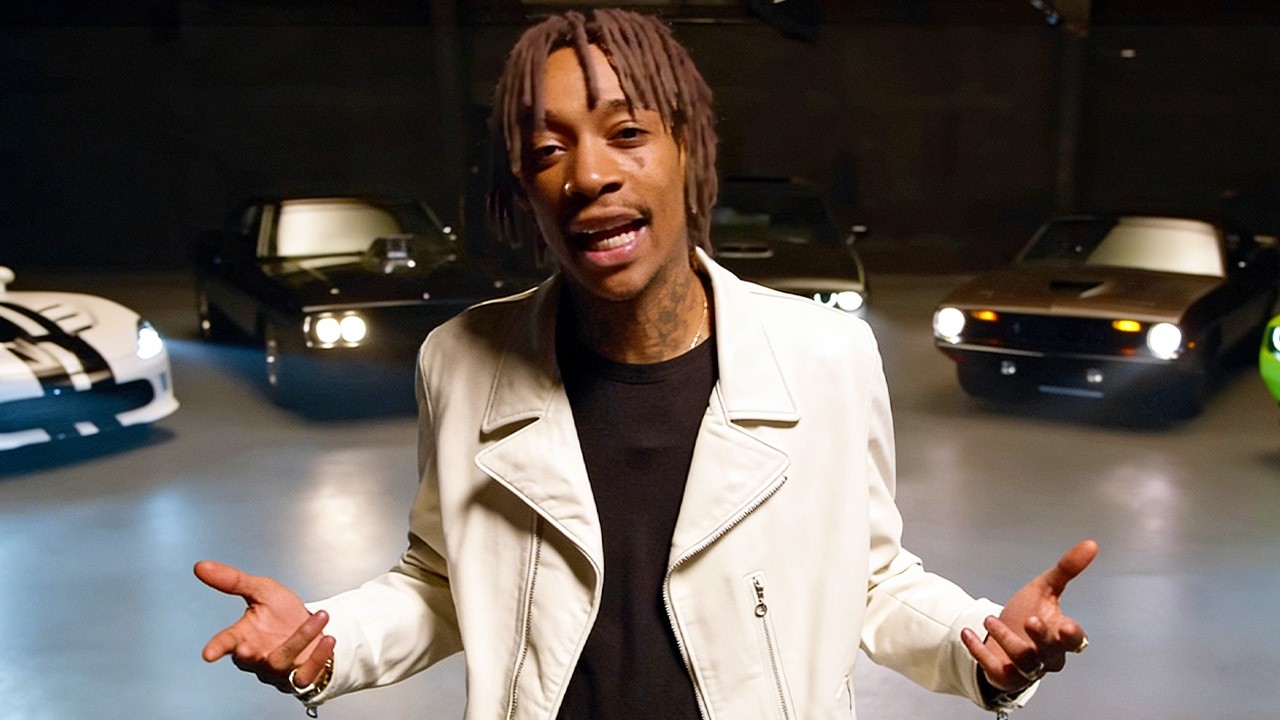




→ More from the 2010s File
View all 2010s hits →


Keep digging