The 2010s File Feature
Save Me, San Francisco
Save Me, San Francisco — Train's Ode to the City That Made Them A Band Returning to Its Roots There is something genuinely moving about an artist writing a l…
01 The Story
Save Me, San Francisco — Train's Ode to the City That Made Them
A Band Returning to Its Roots
There is something genuinely moving about an artist writing a love letter to the place where everything began. Train, the San Francisco-based rock band led by vocalist Pat Monahan, had accumulated considerable commercial success through the early 2000s with records like "Drops of Jupiter" and "Meet Virginia" before a quieter mid-decade period. Their return to prominence in the late 2000s was built on a rediscovery of what had made them appealing in the first place: melodic directness, emotional openness, and an ability to write pop-rock hooks that lodged themselves in the listener's memory with minimal effort. "Save Me, San Francisco" represented that return in concentrated form.
The Song and Its Production
The track was released as the lead single from Train's 2009 album Save Me, San Francisco, which shared its title with the song itself. The production was clean and radio-ready, built around the kind of bright, cascading guitar work and propulsive drumming that had served the band well during their commercial peak years. Monahan's vocal delivery was characteristically earnest, projecting the kind of open, uncomplicated emotion that had always been central to Train's appeal.
The song's geographic specificity, its direct address to the city of San Francisco as both subject and audience, gave it an identity that purely generic love songs lack. For listeners who knew the city, it carried the added pleasure of recognition; for those who did not, it conjured a place with sufficient vividness to function as a kind of sonic tourism. Either way, the record worked on its emotional terms.
The Billboard Run
On the Billboard Hot 100, the track debuted on July 9, 2011, entering at position 98. Over the following two months, it climbed through the chart, reaching its peak position of 75 on September 10, 2011, spending a total of 11 weeks on the chart. The relatively modest Hot 100 positioning stood alongside more significant performance on the Adult Pop Songs chart, where the track received sustained airplay from format programmers who recognized it as exactly the kind of record their audiences sought.
The song's radio life was longer than its Hot 100 tenure suggested, partly because it served as a signature piece for the band's extensive touring campaign in support of the album and partly because its feel-good energy made it the kind of track that programmers returned to rather than retired. Train had built a loyal audience base through years of touring, and that audience showed up for this record.
Train's Arc and the Revival
By the time this single appeared on the Hot 100 in 2011, Train had already been a working band for more than fifteen years. That longevity was itself an achievement in a genre where commercial cycles tend to be brief and where the distance between peak popularity and obscurity can be surprisingly short. The band's ability to return to relevance after a quieter period reflected the durability of their core audience relationship and their continued commitment to melody as a primary songwriting value.
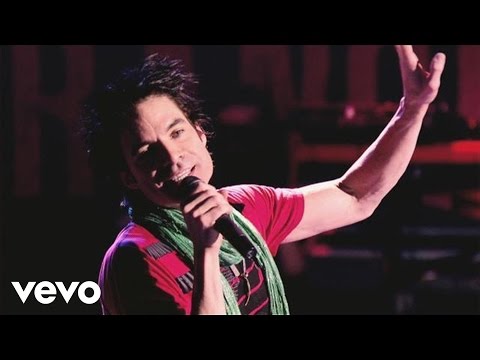
Pat Monahan had remained an engaging live performer throughout the band's quieter years, and the renewed radio success of this period gave the band's live shows a fresh energy. New listeners discovered them alongside the long-term fans who had been following them since the late 1990s.
San Francisco as a Character in the Song
The decision to make San Francisco the explicit subject and address of the song was both personal and commercially shrewd. The city had a romantic mythology that extended well beyond its actual geography: it was associated with the counterculture movements of the 1960s, with the progressive social politics that had shaped American life in subsequent decades, and with a particular brand of creative idealism. Invoking San Francisco in a song title carried cultural resonance that a more generic geographic reference would not have generated. For Train, whose identity was genuinely rooted in the city, the invocation was also simply honest, a real relationship expressed in public. Press play and let the Pacific air come through the speakers.
"Save Me, San Francisco" — Train's singular moment on the 2010s charts.
02 Song Meaning
Save Me, San Francisco — Place, Longing, and the Geography of the Heart
When a City Becomes a Feeling
Popular music has always used place as emotional shorthand. A city name in a song title carries accumulated meaning, the sum of everything listeners associate with that location: its cultural mythology, its sonic history, the feelings it evokes in people who have been there and those who have only imagined it. "Save Me, San Francisco" deploys this device with particular effectiveness because the city invoked carries such a richly layered mythology in the American cultural imagination.
The Theme of Escape and Return
At its core, the song addresses a form of longing that is less about romantic desire than about a more fundamental kind of belonging. The narrator wants to return to somewhere that feels like home, to a place that functions as an anchor in a world that has grown disorienting. The choice of San Francisco as that place of refuge is significant: the city has long represented, in popular mythology, a kind of openness and possibility that other American cities do not carry as explicitly. Coming home to San Francisco in this lyrical frame means coming home to a version of oneself that feels more authentic than the one the wider world has produced.
This is a theme with deep roots in American popular culture, the idea that certain places hold something essential about a person's identity and that the experience of being away from them creates a specific kind of spiritual deficit. The song articulates that deficit and the desire to resolve it with a directness that made it immediately recognizable to listeners who had ever missed a place they loved.
The Pop-Rock Emotional Register
Train's commercial strength through their career had always resided in their ability to operate in the emotional register that pop-rock at its best commands: accessible enough to reach large audiences, substantive enough to actually move people rather than merely entertain them. This song sits comfortably in that zone. The melody and production choices generate warmth and forward momentum simultaneously, creating a listening experience that feels optimistic rather than heavy, even when the underlying emotional content involves loss and displacement.
Pat Monahan's vocal style, sincere and direct without being melodramatic, suits this kind of material well. His delivery communicates genuine feeling without pushing it to the point where the emotion becomes about the performance rather than the song's subject.
Geographic Identity in Music
San Francisco has produced or shaped a remarkable number of significant music acts across multiple decades and genres, and the city's musical identity is as plural and complex as its social history. For Train, building a career rooted in that city's specific identity gave them something concrete to draw on when reaching for emotional specificity. The song participates in a tradition of artists who have used their home cities not just as biographical detail but as genuine creative resource, turning the specificities of place into material that communicates across geographic distance.
The Staying Power of Sincere Pop-Rock
In a media environment that had grown increasingly ironic and self-conscious by the late 2000s, Train's willingness to be straightforwardly emotional, to write songs about real feelings without protective layers of distance or knowingness, was both unfashionable in certain critical circles and broadly popular with actual listeners. "Save Me, San Francisco" exemplifies that quality. The song does not hedge its emotional bets or signal awareness of its own sentimentality; it simply communicates what it means to miss somewhere that matters. That directness is what gives it its resonance and what has kept it in the catalog of records people return to.
→ More from Train
View all Train hits →



→ More from the 2010s File
View all 2010s hits →



Keep digging