The 2010s File Feature
Top Of The World
The Story Behind Top Of The World by Tim McGraw By the time the fall of 2015 rolled around, Tim McGraw was two decades into a country career so sustained and…
01 The Story
The Story Behind "Top Of The World" by Tim McGraw
By the time the fall of 2015 rolled around, Tim McGraw was two decades into a country career so sustained and so commercially dominant that new releases arrived with an almost inevitable sense of quality control. "Top Of The World" emerged from that stretch of veteran consistency, a single pulled from his album Damn Country Music, arriving into a genre landscape that had shifted considerably since McGraw's 1990s breakthrough.
A Veteran Navigating a Changed Genre
McGraw had built his career on a blend of traditional country storytelling and radio-ready polish, scoring an extraordinary run of number one singles across the 1990s and 2000s that placed him among the format's most consistent commercial forces. By 2015, country radio had absorbed heavy influences from pop, hip-hop-adjacent production, and the so-called bro-country wave that emphasized party anthems over the narrative songwriting McGraw had long specialized in. Damn Country Music arrived as something of a response to that shift, its very title gesturing toward genre identity and tradition at a moment when plenty of critics and longtime fans were questioning what country radio had become.
A Reflective, Celebratory Sound
"Top Of The World" leans into an anthemic, reflective register, built around themes of gratitude and hard-won contentment rather than the club-and-truck imagery that dominated much of the format at the time. The production favors a big, radio-friendly sweep, layered guitars and swelling arrangement building toward a chorus designed for arena singalongs, consistent with the polished, broadly accessible sound that had defined McGraw's biggest hits for years and made him a reliable draw on the touring circuit even as radio trends shifted around him.
A Slow, Steady Climb
"Top Of The World" debuted on the Billboard Hot 100 on October 31, 2015, at number 99, and climbed gradually over the following weeks, ultimately reaching its peak of number 73 during the week of December 26, 2015. The song spent thirteen weeks on the chart, a steady if unspectacular run reflecting McGraw's reliable, if no longer chart-topping, commercial standing at that stage of his career. By 2015 the Hot 100 had become dominated by pop and hip-hop crossovers and streaming-driven hits, a landscape in which traditional country singles, even from proven hitmakers, typically peaked well outside the chart's upper reaches, a reality that had reshaped expectations across the entire genre.
A Genre Debating Its Own Identity
The mid-2010s were a period of real tension within country music circles, with traditionalists and industry veterans openly criticizing the genre's drift toward pop crossover production and party-focused lyrics at the expense of storytelling. McGraw, as one of the format's most successful and respected veterans, occupied an interesting position in that debate: commercially adaptable enough to remain relevant, but rooted enough in the genre's storytelling tradition that an album titled Damn Country Music read as a genuine statement rather than empty nostalgia.
Consistency as Its Own Kind of Legacy
What the song's modest Hot 100 performance obscures is just how consistently McGraw continued to perform on country-specific charts and in touring revenue throughout this period, a reminder that Hot 100 position alone does not always capture an artist's actual standing within a genre. McGraw's career-long ability to keep releasing material that found an audience, even as the broader chart environment shifted dramatically around him, speaks to a level of sustained relevance that few of his 1990s peers managed to match into the middle of the following decade, let alone two decades removed from their original commercial breakthrough.
Cue it up for a sense of where one of country's most durable stars stood two decades into a remarkable run, still finding new ways to say thank you rather than simply taking the applause for granted.
"Top Of The World" — Tim McGraw's singular moment on the 2010s charts.
02 Song Meaning
The Meaning Behind "Top Of The World"
"Top Of The World" is built around a theme that runs throughout much of Tim McGraw's later-career catalog: gratitude for a life that has exceeded expectation, delivered with the earned confidence of an artist reflecting on decades of success rather than chasing a first big break. The title phrase itself signals triumph, but the song's actual emotional register leans more toward thankfulness than boastfulness, closer to a quiet exhale than a shout.
Contentment as a Country Radio Theme
Where much of mid-2010s country radio leaned heavily into party imagery, trucks, and summer nights, this song instead occupies the more reflective corner of the format, a tradition of gratitude anthems that country music has returned to across generations. That thematic choice fit an artist at McGraw's career stage, someone with little left to prove and every reason to look back on a remarkable run with genuine appreciation rather than youthful urgency or a need to chase the latest radio trend dominating the format that particular season.
Broad, Accessible Emotional Appeal
The song's themes are intentionally universal rather than narrowly autobiographical, built to let any listener project their own version of hard-won success and appreciation onto the lyrics, whether that meant a career achievement, a stable family life, or simply surviving a difficult stretch. That universality is a hallmark of the anthemic country single, designed to resonate in arenas full of listeners with wildly different life stories but a shared appetite for a big, uplifting chorus that everyone in the room can sing without needing to know the specifics behind it.
A Response to a Changing Format
Arriving on an album titled Damn Country Music, the song's celebratory tone can also be read as part of a broader artistic statement about country identity itself, an assertion of gratitude for the genre and the life it had afforded McGraw, offered at a moment when plenty of voices inside and outside the format were debating what country music had become and where it was heading next.
Gratitude as Quiet Rebuttal
There is a subtle argument embedded in choosing gratitude over grievance at a moment when so much public conversation around country music was fixated on decline and dilution. By framing his own career arc as something to be thankful for rather than defensive about, McGraw's song implicitly pushes back against the era's more cynical narratives, offering contentment as its own quiet answer to a genre in the middle of an identity crisis.
Why It Resonated With McGraw's Audience
For longtime fans, the song functioned as a kind of victory lap, delivered by an artist whose career had already proven durable across shifting trends and format changes. Its message of gratitude rather than conquest gave it a warmth that suited an audience that had grown up alongside McGraw's music, offering reassurance that steady, sincere country songwriting still had a place on the radio even as the genre around it kept changing, year after year, trend after trend.
→ More from Tim McGraw
View all Tim McGraw hits →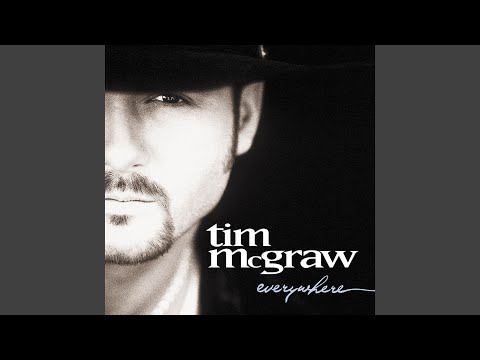



→ More from the 2010s File
View all 2010s hits →



Keep digging