The 2010s File Feature
Nothing Without You
Nothing Without You: The Weeknd's Intimate Starboy-Era Deep Cut "Nothing Without You" was included on Starboy , the third studio album by The Weeknd, release…
01 The Story
Nothing Without You: The Weeknd's Intimate Starboy-Era Deep Cut
"Nothing Without You" was included on Starboy, the third studio album by The Weeknd, released in November 2016 on XO Records through Republic Records. The album represented the most commercially ambitious phase of Abel Tesfaye's career to that point, building on the mainstream breakthrough he had achieved with Beauty Behind the Madness in 2015 and its number one single "Can't Feel My Face." Starboy arrived with high expectations and delivered on them commercially, debuting at number one on the Billboard 200 and producing multiple successful singles.
The album's lead single, the title track featuring Daft Punk, had established the sonic direction clearly: a movement away from the murky, R&B-adjacent darkness of the early trilogy mixtapes toward something more polished, more overtly pop-influenced, and more commercially accessible. "Nothing Without You" occupied a different register within that album, one that connected more directly to the introspective, emotionally raw mode of The Weeknd's earlier work. It was an album track rather than a promotional single, a song that spoke to listeners who wanted more than the gleaming exterior of the album's commercially oriented moments.
The production on "Nothing Without You" reflects the sophisticated studio approach that characterized the Starboy sessions. The album involved numerous producers including Frank Dukes, DaHeala, and others who had worked closely with Tesfaye through his development. The track's arrangement emphasizes space, with Tesfaye's falsetto vocals given room to carry the emotional weight of the song without heavy production intervention. This restraint is notable on an album that also contained densely produced, heavily synthesized tracks.
Starboy spent its first week at number one on the Billboard 200 and continued to perform strongly through the awards season, earning Grammy nominations and generating significant streaming activity across its full track listing. The Weeknd's streaming numbers during this period were among the highest of any artist globally, reflecting the degree to which he had become one of the central figures in 2010s pop and R&B. "Nothing Without You" benefited from the album's commercial ecosystem, accumulating streaming totals that reflected genuine listener engagement with the deeper album cuts rather than just the promoted singles.
The song also appeared in a period when The Weeknd's artistic identity was being publicly debated. His transition from the anonymous, enigmatic presence of his early trilogy to a fully realized pop star with a public persona and mainstream collaborations had been rapid and not universally welcomed by early fans who had prized the raw, deliberately obscured quality of his debut work. Songs like "Nothing Without You" functioned as a kind of bridge between those two phases, offering the emotional directness and vulnerability of his earlier approach within the more polished sonic environment of the Starboy era.
The Weeknd had signed his XO label imprint to Republic Records in a deal that gave him the distribution power of a major label while maintaining artistic control through his own label structure. This arrangement was increasingly common among artists of his stature in the mid-2010s, and it allowed the Starboy album to receive the full promotional weight of a Republic release while remaining under Tesfaye's creative direction. "Nothing Without You" as an album cut existed outside the promotional machinery but benefited from the infrastructure it created.
The critical reception to Starboy acknowledged both its commercial polish and its emotional range, with reviewers noting that the album's deeper cuts, including "Nothing Without You," provided necessary counterweight to the more overtly commercial material. This balance between accessibility and emotional depth was seen as one of The Weeknd's core artistic competencies, the ability to operate simultaneously in the pop mainstream and in more intimate, less commercially driven creative territory. The Starboy era demonstrated that competency at scale, and "Nothing Without You" was one of the clearer demonstrations of it within the album's architecture.
02 Song Meaning
What "Nothing Without You" Means: Dependency and Vulnerability in The Weeknd's World
"Nothing Without You" represents one of the more unguarded moments on Starboy, a record that often protected its emotional content behind layers of sonic sophistication and pop ambition. In this track, The Weeknd (Abel Tesfaye) confronts a version of romantic dependency that does not fit comfortably within the detached, hedonistic persona he had cultivated across his earlier work. The song asks what happens when the lifestyle that promised self-sufficiency reveals itself to be insufficient, when the narrator discovers that his sense of self has become entangled with the presence of another person.
The thematic content connects to a recurring preoccupation in Tesfaye's songwriting: the complicated relationship between pleasure-seeking behavior and genuine emotional connection. His trilogy of early mixtapes had established a world in which romance and attachment were approached with a kind of willful numbness, a deliberate choice to experience sensation without vulnerability. "Nothing Without You" represents a fracture in that position, a moment in which the narrator's defenses have come down and the reality of emotional need has become undeniable. That vulnerability is the song's central emotional event, and it is more startling for its context within an artist and an album otherwise oriented toward confidence and polish.
The title phrase operates as an acknowledgment of incompleteness, a statement that contradicts the self-sufficiency that The Weeknd's public persona had often projected. To declare oneself nothing without another person is to admit a form of dependence that popular music frequently romanticizes but rarely examines with this degree of seriousness. Tesfaye does not frame the dependence as beautiful or desirable; he simply states it, which is a more honest and more uncomfortable form of expression. The honesty is what gives the song its emotional weight within an album otherwise populated by more performatively confident material.
Within the arc of The Weeknd's career, "Nothing Without You" belongs to a strand of his work that prioritizes emotional truth over stylistic ambition, tracks that exist to say something real rather than to demonstrate sonic innovation or commercial viability. These tracks tend to resonate most deeply with listeners who have followed his development closely enough to understand what it means for an artist who built his identity on emotional distance to admit this kind of openness. The contrast between the song's vulnerability and the surrounding album's confidence creates a productive dissonance that rewards attentive listening.
The production's restraint amplifies the lyrical vulnerability. Where other Starboy tracks use production density to create excitement and momentum, "Nothing Without You" uses space to create exposure. The arrangement refuses to give the narrator anywhere to hide, and the effect is of a voice stripped of its usual protective layers, speaking directly and without performance. This structural choice aligns the production with the lyrical content in a way that marks the song as one of the more deliberately crafted moments on the record.
The song also participates in a larger conversation about masculinity and emotional expression within R&B and pop music. The Weeknd's contribution to that conversation has always been ambivalent, offering emotional content while maintaining enough distance and persona to avoid the full implications of vulnerability. "Nothing Without You" pushes further toward genuine openness than most of his work, which is precisely why it functions as a counterweight to the more armored material on Starboy and why listeners who connected with his rawer early work tended to gravitate toward it as evidence that the artistic identity behind the commercial machine remained intact.
→ More from The Weeknd
View all The Weeknd hits →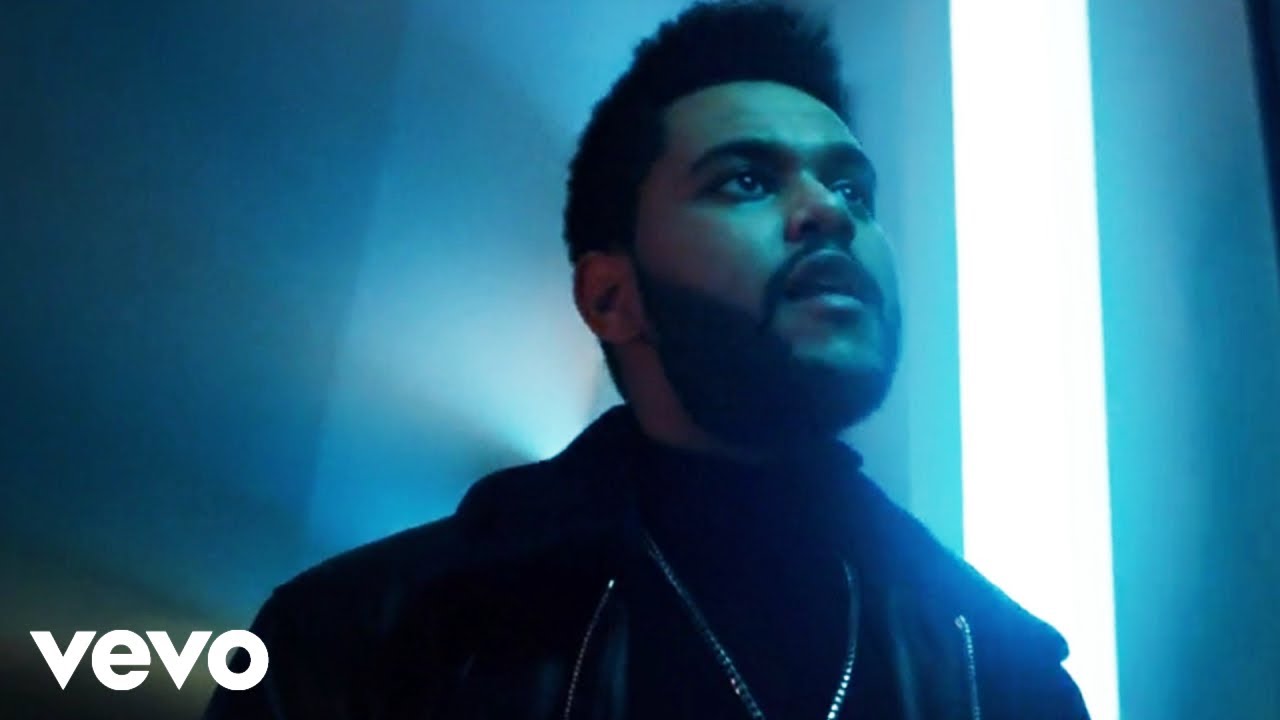




→ More from the 2010s File
View all 2010s hits →



Keep digging