The 2010s File Feature
Dark Times
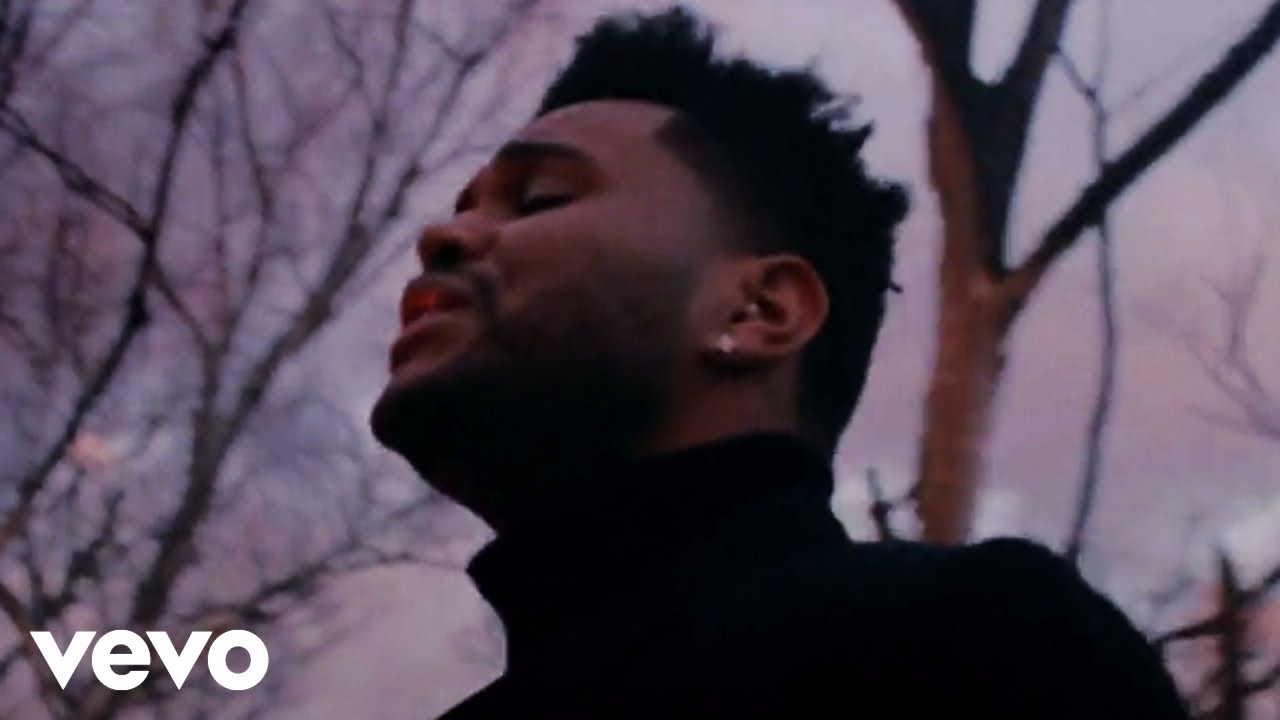
"Dark Times" — The Weeknd Featuring Ed Sheeran Two Voices at the Edge of the Dark Autumn 2015 felt like a turning point for alternative R instead, the track …
01 The Story
"Dark Times" — The Weeknd Featuring Ed Sheeran
Two Voices at the Edge of the Dark
Autumn 2015 felt like a turning point for alternative R&B. The Weeknd had spent years building an underground mystique through his early mixtapes, then crashed into mainstream consciousness with the polished, chart-conquering Kiss Land and its follow-ups. By the time Beauty Behind the Madness arrived in August 2015, Abel Tesfaye was positioned as one of the most distinctive voices in contemporary pop music, equal parts seductive and self-destructive, glamorous and genuinely troubled. "Dark Times" arrived as one of the album's atmospheric deep cuts, featuring a guest appearance from Ed Sheeran that gave the track an unexpected but effective emotional dimension.
Ed Sheeran, for his part, was navigating his own complicated relationship with fame by mid-decade. Known primarily for confessional acoustic pop, he had spent time exploring darker sonic territory, and his contribution to "Dark Times" reflected that willingness to move outside the comfort zones his audience had established for him. The pairing of two artists known for emotional candor in very different genres created a track that felt genuinely unusual within both their catalogs.
Inside the Album
Beauty Behind the Madness was The Weeknd's major label debut in the fullest sense, a record designed to bring his nocturnal aesthetic to the widest possible audience without sanding off the edges that made him compelling. It succeeded dramatically, eventually producing hit singles that reached the top of the Hot 100. "Dark Times" occupied a different space within the album's architecture, functioning as a slower, more introspective piece that balanced the commercial firepower of tracks like "Can't Feel My Face."
The production on "Dark Times" is deliberately atmospheric, built around muted textures and a low, almost mournful sonic palette. There is none of the euphoric synth pop that drove the album's biggest singles; instead, the track simmers in a darker register that suits both its subject matter and the combined emotional weight of its two performers. The arrangement gives the vocals room to breathe, and the restraint is effective.
The Billboard Journey
"Dark Times" debuted on the Billboard Hot 100 on September 19, 2015, entering at number 93. It climbed to its peak position of number 91 the following week, September 26, before falling back to 98 in its third and final charted week. Those modest numbers did not diminish the track's significance within the album's overall reception; Beauty Behind the Madness was one of the biggest records of 2015, and "Dark Times" benefited from the enormous attention the project received even as a non-single.
The Hot 100's methodology at the time incorporated streaming data more comprehensively than ever before, meaning that even album tracks without dedicated radio promotion could chart on the strength of listener engagement. The track's brief chart run reflected organic fan interest in the full album experience rather than a formal single campaign.
The Collaborative Chemistry
The decision to bring Ed Sheeran into The Weeknd's world was counterintuitive enough to be interesting. Sheeran's public persona was warm and approachable in ways that seemed to sit at odds with The Weeknd's studied detachment and nocturnal imagery. On the track, though, the contrast works in the music's favor. Sheeran's more open-hearted delivery provides a counterpoint to The Weeknd's cool, controlled presence, and the two voices together create a tension that gives the song its particular atmosphere.
Sheeran had demonstrated throughout his career a willingness to absorb influences far outside his acoustic pop comfort zone, and "Dark Times" represented one of the more unusual detours he took during this period. The collaboration reflected an era in which streaming's genre-dissolving logic was actively encouraging unexpected pairings that would have seemed strange under an older model of radio-driven pop.
Legacy Within a Defining Record
Beauty Behind the Madness stands as one of the landmark albums of the mid-2010s, a record that pulled alternative R&B into the mainstream while retaining enough of its unnerving emotional honesty to avoid feeling like mere commercial product. "Dark Times" is one of the pieces of that record that rewards extended listening, a track that does not announce itself loudly but settles into the listener's mind over time.
The Weeknd's catalog from this period is now recognized as a sustained creative achievement, and "Dark Times" holds its place as a document of a particular moment in his evolution, when he was fully arrived commercially but still willing to occupy uncomfortable emotional territory without flinching.
Press play on "Dark Times" and let its deliberate, shadowed atmosphere do what the album's bigger singles cannot: take the long way around the dark.
"Dark Times" — The Weeknd Featuring Ed Sheeran's singular moment on the 2010s charts.
02 Song Meaning
"Dark Times" — Addiction, Isolation, and the Beauty in Both
Darkness as Honest Portrait
The Weeknd built his entire early career on a willingness to depict pleasure and pain as inseparable forces, and "Dark Times" continues that project in one of its more unvarnished forms. The track explores the interior landscape of addiction and emotional numbness, rendering these experiences not as cautionary tale or moral lesson but as plain, unadorned fact. The song's power comes from its refusal to editorialize, to tell the listener how to feel about what it describes.
This approach was central to The Weeknd's artistic identity. In an era when many pop stars framed their personal struggles through arcs of redemption and recovery, he consistently refused the comfort of that narrative. The darkness in his music was not a phase to be overcome; it was a landscape to be inhabited and described with precision.
The Two Voices, the Two Perspectives
Ed Sheeran's presence on "Dark Times" adds a second emotional register to the track's themes. Where The Weeknd's delivery tends toward cool detachment, Sheeran brings a more openly vulnerable quality that shifts the emotional temperature of his sections. The result is a track that moves between two modes of suffering: one guarded and self-aware, one more openly exposed.
This structural contrast serves the song's themes well. Addiction and emotional isolation take different forms in different people, and having two distinct voices embody those differences gives the material a texture that a solo performance could not achieve. The collaboration adds depth without feeling like a commercial calculation.
The Cultural Moment of 2015
Mid-decade alternative R&B was grappling openly with themes that mainstream pop had historically soft-pedaled: substance use, dissociation, the costs of excess, the loneliness at the center of hedonism. Artists like The Weeknd were pushing those conversations into settings that attracted enormous mainstream audiences, which meant that millions of listeners were encountering these themes through the sonic framework of pop radio rather than the more segregated spaces of underground music.
This was culturally significant. "Dark Times" and its parent album participated in a broader shift in what pop music was willing to say about pleasure, suffering, and the relationship between them. The track's appearance on the Hot 100, even briefly, was a marker of how thoroughly that shift had occurred by 2015.
Why It Still Resonates
The reason "Dark Times" continues to attract listeners is simple: it describes a recognizable interior experience with unusual honesty. The feeling of being caught in patterns that you understand are destructive but cannot yet escape is not unique to any particular lifestyle or demographic. The song universalizes a specific experience by rendering it in enough emotional detail to feel true rather than generic.
That universality is what distinguished the best work from Beauty Behind the Madness from the imitators the album inspired. Many artists tried to replicate The Weeknd's dark aesthetic; fewer managed to give it the emotional specificity that made the original so affecting. "Dark Times," tucked into the album's second half, is one of the places where that specificity is most clearly achieved.
"Dark Times" — The Weeknd Featuring Ed Sheeran's singular moment on the 2010s charts.
→ More from The Weeknd Featuring Ed Sheeran
View all The Weeknd Featuring Ed Sheeran hits →
→ More from the 2010s File
View all 2010s hits →


Keep digging