The 2010s File Feature
Die For You
The Slow-Burn Resurrection of Die For You by The Weeknd Picture the close of 2016: a year drenched in neon melancholy, where streaming had quietly rewritten …
01 The Story
The Slow-Burn Resurrection of "Die For You" by The Weeknd
Picture the close of 2016: a year drenched in neon melancholy, where streaming had quietly rewritten the rules of what a hit could be. Abel Tesfaye, the Toronto enigma performing as The Weeknd, was sitting on top of the pop world. Starboy, his glossy collaboration-heavy third studio album, had just dropped, and the singles were everywhere. Buried among them, almost overlooked at the time, was a hushed midtempo ballad about a love that refuses to die quietly. Nobody could have guessed it would become one of the most enduring songs of his entire catalogue.
An Artist at the Peak of His Powers
By late 2016, The Weeknd had completed one of the most dramatic transformations in modern pop. The mysterious mixtape artist of House of Balloons had become a stadium-filling star, his platinum hair and falsetto instantly recognizable. Beauty Behind the Madness had already delivered the monster hits "Can't Feel My Face" and "The Hills," and with Starboy he was doubling down on the synth-soaked, after-dark aesthetic that defined his sound. The album was sprawling and ambitious, packed with marquee names, and "Die For You" sat in its second half like a quiet confession between louder declarations.
A Whisper in a Room Full of Noise
What makes the track distinct is its restraint. Built on a gently pulsing synth bed and a programmed beat that never overwhelms, it lets The Weeknd's voice carry the entire emotional weight. The production glistens with the same cold romanticism that runs through the album, yet it feels more intimate, more vulnerable than the flashier singles around it. The vocal performance is the true centerpiece, sliding between tenderness and quiet desperation as the narrator pledges a devotion that borders on self-destruction. There is no soaring chorus engineered to dominate a radio playlist, no flashy guest verse to steal attention. Instead the song trusts atmosphere and feeling, building a mood rather than chasing a hook. It is a slow dance for a heartbroken night, the kind of record that fills a quiet room without ever raising its voice.
Sitting Quietly Inside a Blockbuster Album
It is worth remembering how crowded Starboy was. The album bristled with high-profile collaborations and attention-grabbing singles, each one fighting for space in a packed release. Against that backdrop, "Die For You" was easy to overlook, a track that asked listeners to slow down and lean in rather than turn up. That very quietness became its strength over time, allowing the song to reveal itself gradually to those who returned to the album again and again. What looked like a modest album cut at release would prove to have remarkable staying power, outlasting many of the louder songs that surrounded it.
A Modest Chart Debut
On the Billboard Hot 100, the song's first life was brief and unassuming. It debuted at number 43 on December 17, 2016, a chart placement driven almost entirely by the album's release-week streaming surge. From there it slipped fast, falling to number 71 the following week and to number 93 by December 31, 2016. After just three weeks on the chart, it disappeared entirely. By conventional measures of the moment, it looked like a deep cut that would fade into the album's tracklist and be forgotten.
The Song That Refused to Die
The story did not end there, and that is precisely why it matters. Years after its quiet debut, "Die For You" found a second life through TikTok and streaming playlists, where a new generation latched onto its aching sincerity. The track quietly snowballed into one of The Weeknd's signature songs, eventually returning to the charts with far greater force than it ever achieved in 2016. That long tail has made it a fan favorite and a staple of his live sets, proof that a song's first chart run rarely tells the whole tale. The version you can stream today has accumulated tens of millions of plays, a testament to its slow-burning power.
Press Play and Feel It
Listening now, you can hear why it lingered. There is no gimmick, no obvious hook engineered for radio: just a beautiful, wounded vocal over a synth pulse that feels like a heartbeat in the dark. Put it on late at night, let the room go quiet, and let The Weeknd talk you through the kind of love that hurts to hold onto. It rewards your full attention.
"Die For You" — The Weeknd's singular moment on the 2010s charts.
02 Song Meaning
What "Die For You" by The Weeknd Really Means
Strip away the glossy production and "Die For You" reveals itself as one of The Weeknd's most emotionally honest songs. Where much of his catalogue trades in detachment, decadence, and the numb glamour of fame, this track reaches for something simpler and more universal: the fear of losing someone you cannot imagine living without. It is a love song wearing the clothes of his darker work.
Devotion Pushed to the Edge
The central theme is total commitment, expressed in language so absolute it tips into the dramatic. The narrator insists he would do anything, sacrifice anything, to keep the person he loves. That hyperbole is the point. The song dramatizes love as a kind of desperation, the way it feels when a relationship matters so much that the thought of its end becomes unbearable. It is the voice of someone clinging tightly precisely because he senses the ground shifting beneath him.
The Tension Beneath the Romance
What keeps the track from being a straightforward declaration is its undercurrent of doubt. There is a sense throughout that the relationship is already fragile, that these grand promises are being made to a partner who may be drifting away. The song lives in that gap between certainty and insecurity, between what the narrator swears and what he fears. That ambiguity is what gives it emotional staying power; listeners hear their own anxieties reflected back at them.
A Different Shade of The Weeknd
Placed within the Starboy era, the song offers a revealing contrast. Much of that album celebrates excess and emotional armor, the cold confidence of a star who has everything. Here, that armor cracks. The vulnerability feels deliberate, a reminder that beneath the after-dark persona is someone capable of genuine tenderness and genuine fear. That contrast is part of why fans gravitated toward it so strongly over time.
Why It Connected So Deeply
The song's massive second-life success speaks to its universality. Almost everyone has felt the kind of love it describes: overwhelming, slightly frightening, willing to promise the impossible. By dressing that feeling in such a sleek, modern soundscape, The Weeknd made it feel both timeless and entirely of its moment. The result is a track that resonates because it captures a truth most people recognize, even if they would never say it out loud. That is the rare quality that turns an album cut into a standard, and it explains why the song kept finding new listeners long after its initial release. People do not return to a song for years on end unless it speaks to something real inside them, and this one clearly does. The vulnerability at its heart is its greatest asset, the quality that lets it cut through the noise and reach listeners directly. Long after the trends of its era have faded, the raw human longing it captures remains as immediate as ever.
→ More from The Weeknd
View all The Weeknd hits →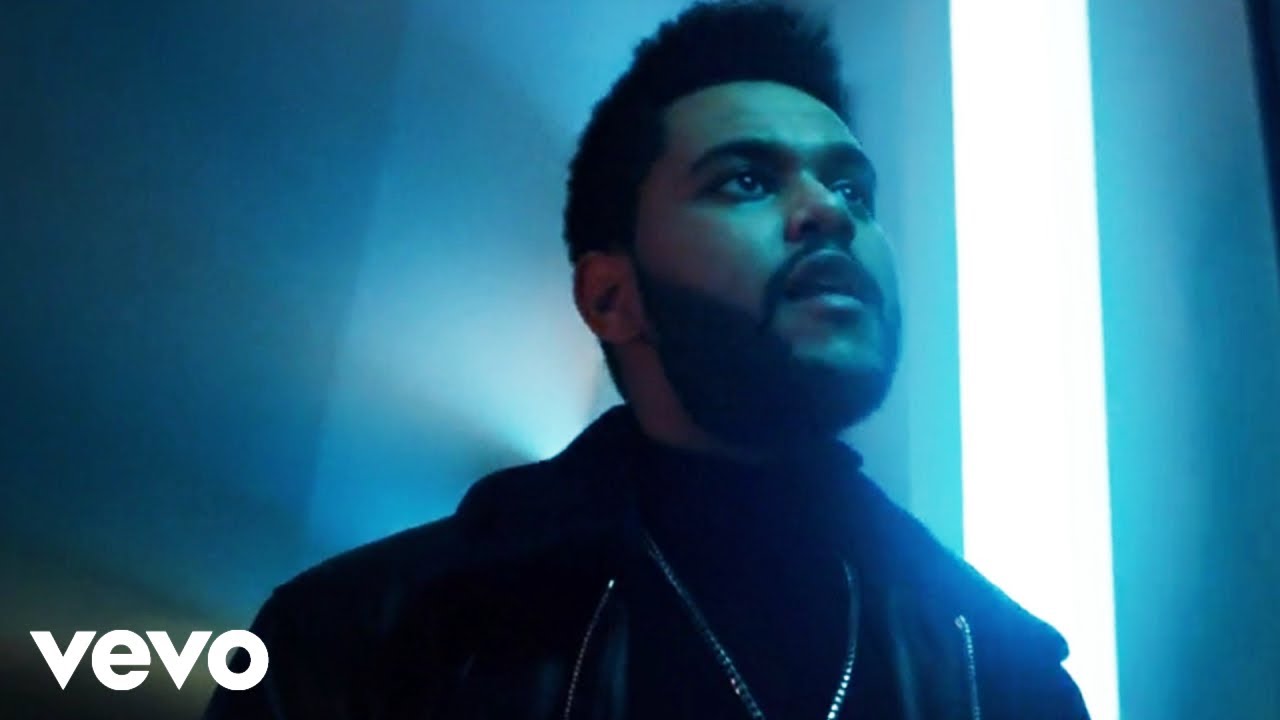

→ More from the 2010s File
View all 2010s hits →



Keep digging