The 2010s File Feature
I Knew You Were Trouble.
The Reckless Rush of I Knew You Were Trouble by Taylor Swift Country radio had spent years happily calling Taylor Swift its own, and then a stuttering electr…
01 The Story
The Reckless Rush of "I Knew You Were Trouble" by Taylor Swift
Country radio had spent years happily calling Taylor Swift its own, and then a stuttering electronic drop tore that comfortable assumption apart. When "I Knew You Were Trouble" arrived in the autumn of 2012, it announced, loudly and without a hint of apology, that the girl with the acoustic guitar had decided to become a full-blown global pop juggernaut. The song was a dare aimed at her own audience and at the industry that had boxed her in, and listeners around the world took the bait by the millions.
A Songwriter at a Crossroads
By 2012, Swift was already a multi-platinum superstar with a wall of awards, but she had grown restless inside the boundaries of the country format that launched her. She wanted bigger sounds, sharper hooks, a wider stage. Working with the Swedish hitmakers Max Martin and Shellback, she pushed her writing into glossier, harder-hitting pop territory than anything she had attempted before. The single came from her fourth studio album, Red, a sprawling and emotionally restless collection she described as a record about the many conflicting shades of heartbreak, and it captured her at the exact moment she stopped asking anyone for permission to evolve.
The Sound of a Genre Crossing
The track builds like a hushed confession before detonating into a stuttering, bass-heavy chorus, a wobbling electronic drop that felt genuinely shocking coming from Nashville's golden girl. Swift's vocal swings from wounded to defiant, recounting the thrill and eventual wreckage of falling for someone she always knew would break her heart. Crucially, it was self-aware pop, a story told by a narrator who blames herself nearly as much as she blames the boy who burned her. That streak of honesty kept the song from feeling like a cynical, calculated grab at a passing trend, and it gave the spectacle a beating human heart.
A Near Chart-Topper
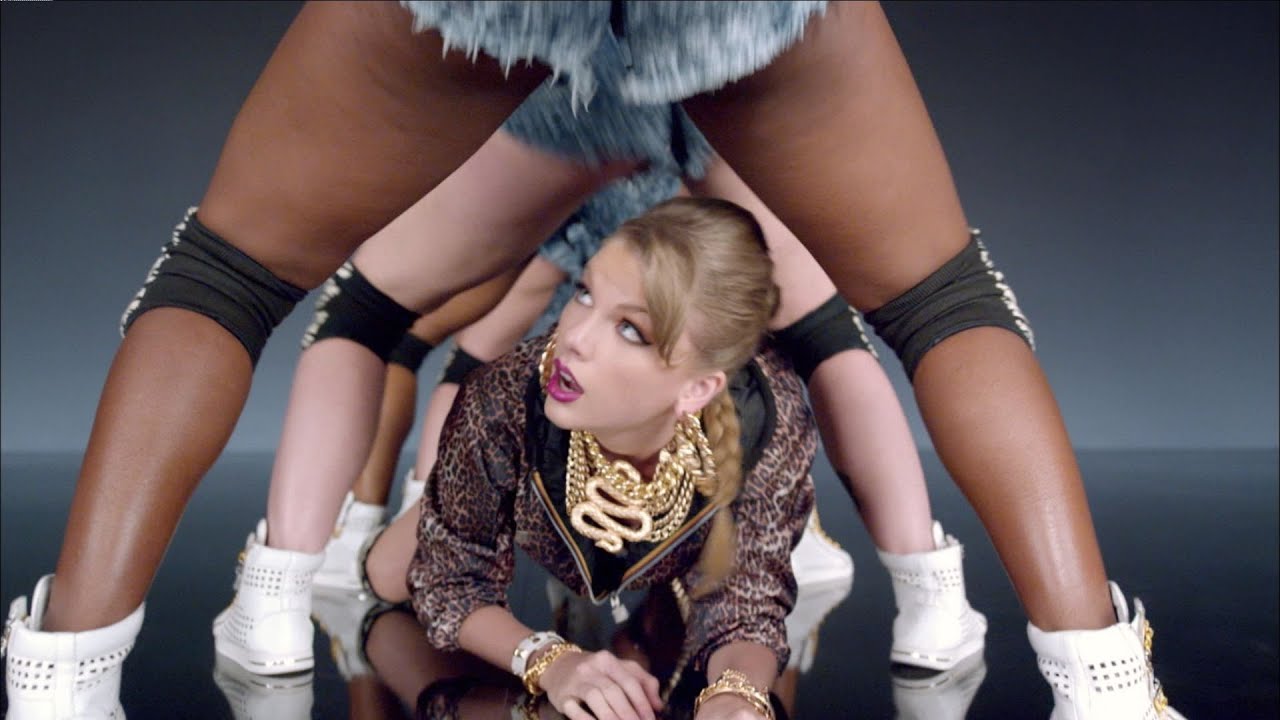
The single debuted strong on the Billboard Hot 100 dated October 27, 2012, entering at number three on the strength of enormous digital sales. After the customary post-debut dip, it climbed back and eventually reached its peak of number two, hitting that height on the chart dated January 12, 2013, held off the very summit but undeniably one of the year's biggest songs. It lingered for an extraordinary 36 weeks on the Hot 100, a marathon run that underlined its staying power. The accompanying music video, with its dramatic narrative of romantic disaster, pushed the song's YouTube tally past half a billion views in the years that followed.
A Pivot That Defined a Career
In hindsight, this single reads like the bridge between two distinct Taylor Swifts: the country storyteller who came before and the unstoppable pop colossus who would soon release 1989 and dominate the rest of the decade. It proved she could win on the biggest commercial stage imaginable without surrendering the diaristic specificity that made her fans feel she was somehow writing the soundtrack to their own lives. The song also weathered controversy gracefully, including a much-mocked spoken-word section that fans eventually came to treat with affection rather than scorn, a sign of just how thoroughly the public had embraced both the track and the version of Swift it introduced. Years later, when she re-recorded her early catalog to reclaim ownership of her masters, a fresh version of the song arrived and reminded everyone how central this moment had been to her story. Press play and listen closely to the moment a songwriter chose to gamble everything she had built, then watch the bet pay off in the very first thundering chorus.
"I Knew You Were Trouble" — Taylor Swift's singular moment on the 2010s charts.
02 Song Meaning
Reading the Wreckage: The Meaning of "I Knew You Were Trouble"
For all its booming, club-ready production, this is a song about something painfully ordinary: knowing better and doing it anyway. Taylor Swift built the entire lyric around the gap between what we sense to be true and what we choose in spite of it, and that tension is what gives the track its real sting underneath the gloss.
The Theme of Willful Recklessness
The central idea is self-aware self-destruction. The narrator confesses that she saw the warning signs from the very beginning, that she recognized the danger in this person, and that she walked straight into it regardless. There is no blameless victim here and no claim of innocence. The lyrics describe the intoxicating rush of a romance that was always destined to end in ruin, and then the bitter, hard-won clarity of looking back at choices that were never even slightly wise.
Blame Turned Inward
What separates the song from an ordinary breakup complaint is exactly where it chooses to point the finger. Rather than only condemning the boy who hurt her, Swift dwells at length on her own complicity, the way she ended up lying on the cold ground of a situation she helped create. That insistence on shared accountability makes the heartbreak feel adult and uncomfortably real. It is the regret of someone who cannot blame fate or bad luck for a fall she knowingly walked into with her eyes open.
Sound as Emotional Translation
The dramatic, lurching drop in the chorus is far more than a passing trend chase. The chaotic, stuttering beat mirrors the disorientation of a relationship spinning violently out of control, the dizzying lurch from euphoric high to crushing crash. The production becomes the feeling rather than just decorating it, translating emotional turbulence into something you can physically hear and feel in your body. Form and content move together, which is why the song hits as hard as it does.
Why It Connected
Nearly everyone has, at some point, ignored their own intuition for someone exciting and obviously wrong. By naming that universal experience so plainly and then dressing it in a sound built for arenas, Swift handed listeners both catharsis and a chorus to scream at the top of their lungs. The song resonated so widely because it refused to let its own narrator off the hook, and that unflinching honesty about her own mistakes is precisely what made it feel so true. There is a particular comfort in hearing a star admit, in front of millions, that she was foolish for love just like everyone else, and that shared embarrassment became part of the song's lasting appeal.
→ More from Taylor Swift
View all Taylor Swift hits →


→ More from the 2010s File
View all 2010s hits →



Keep digging