The 2010s File Feature
Holland Road
Holland Road — Mumford for many listeners, the consistency was precisely the appeal. "Holland Road" was often cited as evidence that the band's songwriting c…
01 The Story
Holland Road — Mumford & Sons: Chart History and Release Context
"Holland Road" by Mumford & Sons is a track from the band's second studio album, Babel, released on September 21, 2012, through Gentlemen of the Road and Glassnote Records. The album represented a pivotal commercial and critical moment for the British folk-rock quartet, arriving with enormous anticipation following the extraordinary success of their debut, Sigh No More, which had introduced them to international audiences between 2009 and 2011. Babel debuted at number one on the Billboard 200 in the United States, a remarkable achievement for a British folk-influenced act, and went on to win the Grammy Award for Album of the Year at the 2013 ceremony, cementing the band's status as one of the most commercially significant acts to emerge from the UK indie scene in the early 2010s.
"Holland Road" was among the tracks on Babel that received attention as representative of the album's emotional and sonic character. While the album's lead single and most prominent commercial moment was "I Will Wait," which charted strongly on both sides of the Atlantic, "Holland Road" was celebrated by critics and fans as one of the album's most emotionally resonant deeper cuts. The track exemplifies the sonic palette that Mumford & Sons had refined since their debut: acoustic guitar prominently featured, banjo used as a melodic and rhythmic element, driving percussion, and Marcus Mumford's voice at the center of a dense vocal arrangement that also incorporates harmonies from the other band members.
The production of Babel, including "Holland Road," was handled by Markus Dravs, who had worked extensively with artists including Arcade Fire and Brian Eno. Dravs's production sensibility emphasized organic textures, ensemble performance energy, and the physical qualities of live instrumentation, priorities that aligned naturally with Mumford & Sons' aesthetic approach and their commitment to a sound rooted in acoustic folk tradition rather than electronic production. The recording process for Babel was reportedly informed by the band's extensive touring experience following Sigh No More, and the album's performances carry the tightness and confidence of musicians who had spent years performing this material for large audiences.
"Holland Road" appears toward the later portion of Babel's track listing, functioning as one of the album's more quietly devastating moments in a sequence that moves between anthemic, large-scale pieces and more intimate, emotionally exposed compositions. The track did not receive the same radio single treatment as "I Will Wait" or "Lover of the Light," but it was consistently cited in reviews as a highlight, demonstrating the depth of the album's songwriting beyond its most commercial moments.
The context of Babel's release and the band's position in 2012 is relevant to understanding how "Holland Road" was received. Mumford & Sons occupied an unusual space in the popular music landscape of that moment: they were simultaneously an "indie" act associated with the folk revival that had been developing in British music since the mid-2000s and an enormously commercial proposition capable of headlining major festivals and achieving mainstream chart success on an international scale. The Grammy win for Album of the Year was both a recognition of this commercial success and a marker of how dramatically the band had transcended their initial indie positioning.
The folk revival context is essential. By 2012, the wave of acoustic-folk-influenced music that had emerged from London and other British urban centers in the late 2000s had produced several internationally significant acts. Mumford & Sons were the most commercially successful of these, and their success had opened doors for the broader genre category in international markets. "Holland Road," as a track on Babel, benefited from and contributed to this larger cultural moment.
Critical reception to Babel and to "Holland Road" specifically was generally very positive, with reviewers noting the album's musical consistency and emotional ambition while also acknowledging the formulaic elements of the band's approach. Some critics suggested that Babel was more of an extension of Sigh No More's sonic vocabulary than a genuine departure, but this observation was not universally treated as a criticism; for many listeners, the consistency was precisely the appeal. "Holland Road" was often cited as evidence that the band's songwriting craft was fully intact even if the broader sonic approach was familiar.
The Glassnote Records relationship was significant in the band's American commercial story. The boutique label, founded by Daniel Glass, had developed a reputation for breaking international artists in the U.S. market with sophisticated promotional strategies, and Mumford & Sons' American success was widely credited in part to Glassnote's work on their behalf. The American market was unusually receptive to Mumford & Sons' particular blend of British folk tradition and anthemic rock production, and Babel's Billboard 200 debut at number one was the most dramatic demonstration of that receptiveness.
Mumford & Sons performed extensively in support of Babel, including headline appearances at major festivals and arena tours that brought "Holland Road" and the album's other tracks to live audiences across Europe, North America, and beyond. The band's reputation as an exceptional live act was central to their commercial identity, and the energy of their live performances created a symbiotic relationship with their recorded output, each reinforcing the other's impact on audiences.
02 Song Meaning
Holland Road — Mumford & Sons: Themes and Artistic Meaning
"Holland Road" is one of Mumford & Sons' most emotionally complex compositions, a track that engages with grief, regret, and the complicated experience of love's aftermath with a directness that the band's more anthemic material sometimes softens into the collective. The song is addressed to a specific absent person, and its emotional register is that of someone in the aftermath of a significant loss, looking back on a relationship or connection and trying to make sense of what remains.
The song's title references a physical location as a way of anchoring its emotional content in specific, grounded reality. Mumford & Sons' lyrical approach has consistently favored concrete particularity over abstract expression, and "Holland Road" exemplifies this tendency. The specificity of the titular street name implies a story with real coordinates in someone's actual life, giving the song's emotional content a quality of testimony rather than pure artistic construction. Whether the specific location carries direct biographical meaning for the songwriter or functions primarily as an anchoring image, the effect is to root the song's grief in recognizable human geography.
The lyrical subject matter addresses the experience of being left or of leaving, of the particular emptiness that follows when a significant human connection has ended. The narrator of the song is someone who is reckoning with their own failures and the ways in which their actions may have contributed to the loss they are experiencing. This quality of self-implication, of grief mixed with guilt and the uncomfortable acknowledgment of one's own role in difficult outcomes, is one of the qualities that gives "Holland Road" its particular emotional depth. The song does not traffic in pure victimhood but in the more complicated territory of shared responsibility for difficult endings.
Marcus Mumford's vocal performance is central to the song's impact. His ability to convey genuine emotional weight within a controlled performance, to communicate vulnerability without sacrificing musical craft, has always been one of the band's most significant artistic assets, and "Holland Road" gives that ability substantial room to operate. The harmonies that build around his lead vocal in the song's more expansive passages create a quality of communal mourning, transforming what is ostensibly a personal confession into something that sounds shared, that invites listener identification and participation.
The production choices support the song's emotional content in characteristic Mumford & Sons fashion. The acoustic instrumentation grounds the track in physical, organic sound while the building arrangement reflects the emotional escalation of the lyrical content. The banjo, which in the hands of less skilled arrangers can sound merely decorative in this folk-rock context, functions here as a rhythmic and textural element that contributes to the track's momentum and urgency. The instrumental arrangement of "Holland Road" demonstrates the band's skill at creating large emotional scale through relatively modest acoustic means.
The song connects to a long tradition in Anglo-American folk music of songs about roads and journeys as metaphors for emotional and moral transit. The road as a site of departure, return, and reckoning is one of the oldest organizing metaphors in the folk tradition that Mumford & Sons consciously engaged with, and "Holland Road" participates in that tradition while also grounding it in a contemporary emotional reality that audiences in 2012 recognized from their own experience.
In the context of Babel as a complete work, "Holland Road" serves a function of emotional deepening, providing a moment of quiet intensity within an album that elsewhere moves toward anthemic celebration and communal ecstasy. The contrast between the track's contained personal grief and the album's more expansive moments is part of what gives Babel its sense of emotional range, demonstrating that the band's capabilities extended beyond the stadium-folk sound for which they were primarily known. "Holland Road" is evidence that their songwriting had room for intimacy alongside ambition.
→ More from Mumford & Sons
View all Mumford & Sons hits →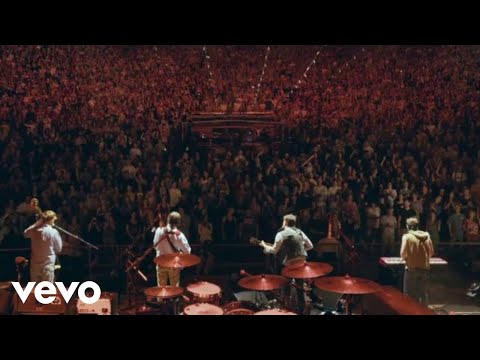



→ More from the 2010s File
View all 2010s hits →




Keep digging