The 2010s File Feature
Gang Gang
Gang Gang — Migos (2018) "Gang Gang" is a track by Atlanta trap trio Migos, released as part of their third studio album Culture II on January 26, 2018, thro…
01 The Story
Gang Gang — Migos (2018)
"Gang Gang" is a track by Atlanta trap trio Migos, released as part of their third studio album Culture II on January 26, 2018, through Quality Control Music, Motown Records, and Capitol Records. The album arrived as one of the most anticipated rap releases of the year, following the massive commercial and cultural success of the original Culture, which had debuted at number three on the Billboard 200 in early 2017 and spawned the ubiquitous number-one hit "Bad and Boujee." Culture II delivered on that anticipation in commercial terms, debuting at number one on the Billboard 200 with 199,000 album-equivalent units in its first week.
Migos, consisting of Quavo, Offset, and Takeoff, had by 2018 become one of the defining acts in contemporary hip-hop, with their triplet-based flow pattern and Atlanta trap aesthetic influencing an entire generation of rappers. Their production approach, typically built on hi-hat patterns from producers including Zaytoven, Murda Beatz, and others who contributed to the Culture II sessions, had become so widely imitated that it reshaped the sound of mainstream hip-hop across the mid-to-late 2010s. "Gang Gang" exemplified this approach.
The title phrase "gang gang" had entered hip-hop slang well before Migos deployed it, functioning as an expression of group solidarity and mutual loyalty. Migos' use of the phrase connected to the broader discourse of loyalty, collective identity, and group belonging that ran through their catalog and that was central to the Quality Control Records roster's public identity. The song built on this thematic territory with the kind of confidence and specificity that the group had developed through years of mixtape releases before their commercial breakthrough.
The production on "Gang Gang" featured the characteristic Migos sonic signatures: staccato hi-hat patterns, melodic trap bass, and the interplay of three distinct voices delivering variations on similar thematic content. The trio's ability to differentiate their individual contributions while maintaining collective sonic identity was one of the techniques that made their music immediately recognizable. Each member brought a slightly different rhythmic approach and tonal quality to the shared template, creating the texture that producers and fans identified as uniquely theirs.
Culture II was a sprawling release by the standards of commercial rap albums, running to 24 tracks in its standard configuration, a decision that reflected the streaming era's economics in which longer albums generated more streams and thus more revenue under the prevailing royalty calculation methodology. "Gang Gang" occupied a place in that expansive track listing that demonstrated Migos' comfort with volume as an artistic approach, releasing large bodies of work that rewarded deep engagement rather than delivering a small collection of premium singles.
Multiple tracks from Culture II appeared on the Billboard Hot 100 simultaneously during the album's debut week, reflecting the streaming behavior of the group's fanbase and the commercial infrastructure Quality Control and Capitol had assembled around the release. The chart performance confirmed Migos as one of the few rap acts capable of moving units at the scale previously associated primarily with established crossover superstars.
Critical reception for Culture II was more divided than for its predecessor, with some reviewers finding the album's length a liability that diluted the impact of its strongest material. "Gang Gang," like several other album tracks, was positioned as a strong example of the group's core aesthetic but was not widely identified as the album's standout moment. The album's sheer size made individual track analysis difficult, and the release cycle was oriented more toward album-level conversation than single-specific promotion.
The song nonetheless stands as a representative document of Migos at their commercial and artistic peak, capturing the qualities that had made them the most influential rap group of the mid-2010s: the rhythmic innovation, the thematic consistency, and the collective identity that gave their music its particular combination of approachability and cool.
02 Song Meaning
The Meaning of "Gang Gang" by Migos
"Gang Gang" by Migos operates within a thematic framework that was central to the group's artistic and commercial identity throughout their peak period: the celebration of collective loyalty, material success, and the social bonds of a tight-knit group that has risen together from shared origins. The phrase "gang gang" itself, as used in hip-hop culture, functions as an affirmation of solidarity, a shorthand for the idea that the people around you are the most important resource you possess and that mutual loyalty is the foundation of everything else the song celebrates.
Migos developed this thematic territory across their catalog with considerable consistency. From their early Gwinnett County, Georgia origins through their emergence as global commercial stars, the group's narrative centered on the three members' bonds with each other and with the broader Quality Control family, their collective ascent from limited circumstances, and the material rewards of that ascent. "Gang Gang" participates in this narrative, reinforcing the group identity that was central to their appeal and to their artistic voice.
The lyrical content of the song engages with themes of loyalty tested by success and the importance of maintaining authentic relationships as circumstances change. This is a recurring concern in hip-hop broadly, reflecting the real social dynamics that sudden wealth and fame create for artists from close-knit communities. The people who were present before the success arrived take on a different significance once success does arrive: they are the ones whose loyalty is presumed genuine rather than opportunistic, the ones whose presence predates the conditions that now make the artist attractive to those with purely transactional motives.
Migos' construction of group identity was unusual in contemporary hip-hop in that it was genuinely tripartite rather than hierarchical. Unlike some rap groups in which one member is clearly primary and others play supporting roles, Migos positioned Quavo, Offset, and Takeoff as coequal contributors, each with a distinct voice and perspective, all three necessary to the group's complete expression. "Gang Gang" reflects this dynamic in its production and delivery, moving between the three voices in patterns that reinforce collective identity rather than elevating one perspective above the others.
The material dimension of the song's lyrical content connects to a broader argument about the relationship between success and validation. In the Migos narrative, material accumulation is not merely personal enrichment; it is evidence of triumph over limiting circumstances and confirmation of the group's value and capability. The luxuries catalogued in their lyrics function as markers of this validation rather than simply as boasting, though the distinction can be difficult to maintain and is not always visible in individual lines.
The cultural context of the phrase "gang gang" in the broader hip-hop lexicon requires some care in interpretation. The phrase carries associations with street culture and group solidarity that have both genuine and performative dimensions in rap music. Migos navigated these associations with the fluency of artists who grew up adjacent to the realities the phrase references while also constructing a commercial persona that translated those realities into entertainment for a global audience. The tension between authenticity and performance is always present in this kind of material, and "Gang Gang" does not resolve that tension so much as inhabit it productively.
For Migos' catalog, "Gang Gang" represents a confident statement of identity at the peak of their commercial influence. The song does not attempt innovation or departure from their established formula; it delivers that formula with the assurance of artists who understand exactly what they do well and why audiences respond to it. That confidence is itself meaningful, suggesting a group that has achieved sufficient self-knowledge to stop questioning their aesthetic choices and simply execute them at the highest possible level.
→ More from Migos
View all Migos hits →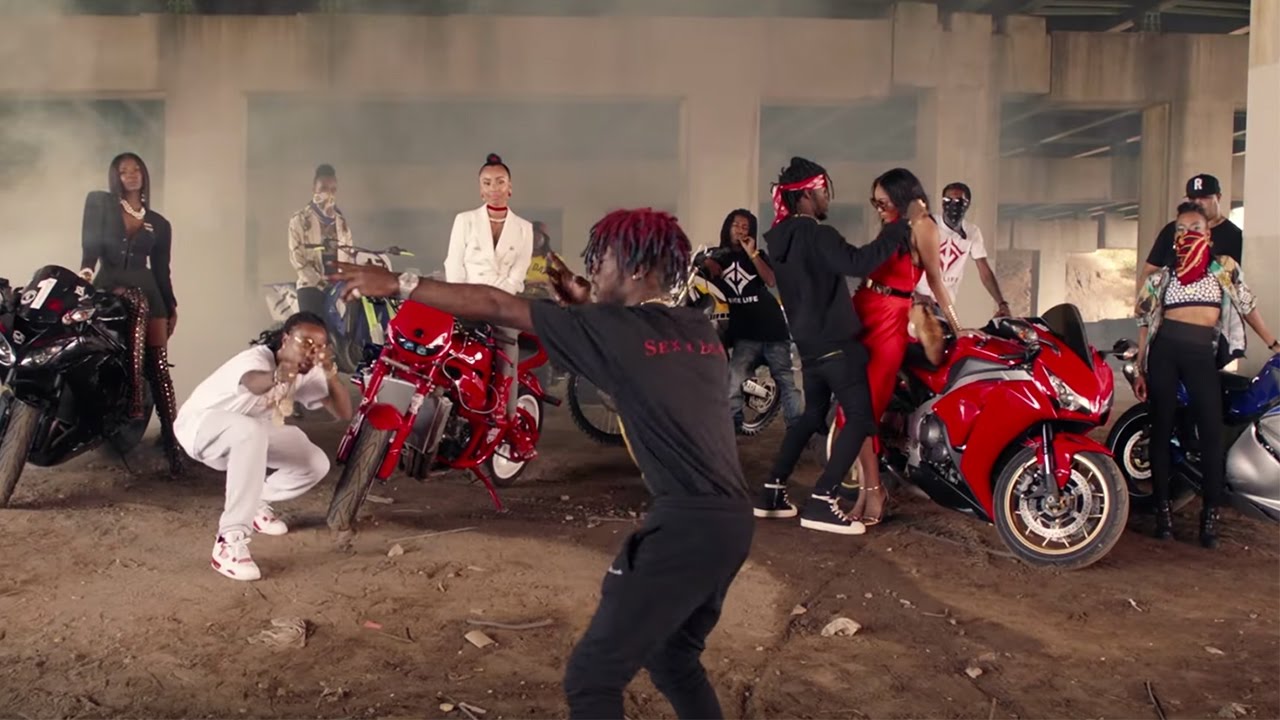


→ More from the 2010s File
View all 2010s hits →



Keep digging