The 2010s File Feature
CC
CC: Migos, Gucci Mane, and the Sprawling Commercial Architecture of Culture II When Migos released "Culture II" on January 26, 2018, the Atlanta trio were bu…
01 The Story
CC: Migos, Gucci Mane, and the Sprawling Commercial Architecture of Culture II
When Migos released "Culture II" on January 26, 2018, the Atlanta trio were building on one of the most commercially successful album runs in recent hip-hop history. "Culture," released in January 2017, had produced "Bad and Boujee," which spent three weeks at number one on the Billboard Hot 100, and the anticipation for a follow-up was correspondingly enormous. "CC," featuring fellow Atlanta native Gucci Mane, was among the tracks on the expansive double album that demonstrated the group's understanding of how to deploy a high-profile feature within a project already saturated with star power. "CC" appeared on "Culture II," released on Quality Control Music in partnership with Motown Records, an album that debuted at number one on the Billboard 200 with over 200,000 album equivalent units in its first week.
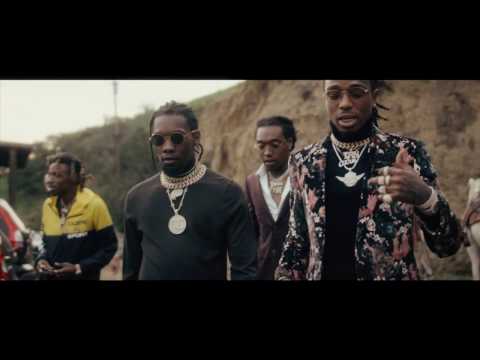
The Migos, comprising Quavo (Quavious Keyate Marshall), Offset (Kiari Kendrell Cephus), and Takeoff (Kirsnick Khari Ball), had spent the better part of a decade refining a sound and a delivery style that became one of the most influential in hip-hop during the 2010s. Their triplet flow, a rapid-fire rhythmic pattern that layered syllables over trap production in a way that emphasized rhythmic density over lyrical complexity, was widely adopted by other artists in the genre and became a defining characteristic of a particular strain of Atlanta trap. By the time "Culture II" arrived, the Migos sound was simultaneously the group's greatest commercial asset and a point of critical ambivalence: some observers argued that the sound, however influential, had reached a point of diminishing returns.
Gucci Mane's involvement in "CC" carried its own narrative significance. Guwop, born Radric Delantic Davis in 1980, had spent significant time incarcerated and had re-emerged in 2016 following his release with a new physicality, a heightened commercial profile, and a continued willingness to engage with younger Atlanta artists on their own terms. His feature on "CC" represented a meeting of Atlanta hip-hop generations, with the Migos representing the sound that had emerged partly in the tradition Gucci Mane had helped establish through his work with labels like So Icey Entertainment and his relationship with the Trap Music aesthetic that had come to define the Atlanta scene.
The production of "Culture II" followed the formula that had worked on its predecessor: Metro Boomin, Southside, and other members of the extended Quality Control production network contributed beats that emphasized deep bass, hi-hat patterns, and melodic elements that provided space for the Migos' layered vocal contributions. The production on "CC" was representative of this approach, providing a sonic environment in which the triplet flow could function with maximum effect while Gucci Mane's more deliberate and bass-heavy delivery contrasted effectively with the Migos' rapid-fire style.
"Culture II" as a project was commercially successful but critically polarizing. At 24 tracks, it was substantially longer than its predecessor, and many reviewers argued that the additional length diluted the focused impact of "Culture." The album's first-week performance of more than 200,000 album equivalent units demonstrated that the commercial fanbase was not deterred by critical reservations, and streaming numbers for individual tracks remained high across the album's early commercial life. "CC" benefited from the cumulative streaming effect that characterized multi-track hip-hop albums in the streaming era, where even non-single tracks could accumulate significant play totals when attached to a highly anticipated project.
Quality Control Music, the label founded by Pierre "Pee" Thomas and Kevin "Coach K" Lee that managed and released Migos music, had by 2018 established itself as one of the most commercially effective hip-hop labels in the country. The strategy of releasing expansive double albums that maximized streaming catalog depth while maintaining radio-ready single candidates was consistent with an industry environment in which album equivalent units counted streams toward chart performance. The decision to include Gucci Mane on "CC" was part of a broader Quality Control approach of using features strategically to introduce artists to each other's fanbases and reinforce the label's position within the Atlanta hip-hop ecosystem.
The album's cultural moment was also significant. In January 2018, trap music was at or near the peak of its mainstream commercial and cultural dominance, and "Culture II" arrived as a kind of capital assertion of that dominance. The first "Culture" had positioned Migos as the genre's defining commercial act, and the sequel, whatever its artistic limitations, confirmed that the commercial position was not temporary. "CC" was part of the evidence that the Migos could sustain a project of significant scale without the audience disengaging.
02 Song Meaning
Luxury, Status, and Atlanta's Self-Image: The Meaning of CC by Migos Featuring Gucci Mane
"CC" operates within the dominant thematic register of Migos' peak commercial period, a period characterized by the detailed and enthusiastic celebration of luxury goods, elevated social status, and the pleasures associated with financial success achieved against the backdrop of circumstances that made such success neither guaranteed nor easy. The lyrical content of the "Culture" albums consistently presents material success as both a personal achievement and a collective statement, a demonstration that the specific geography and social environment of Atlanta's trap music scene had produced artists capable of achieving at the highest levels of American commercial culture.
The "CC" in the title refers to Christian Dior's double-C logo, a luxury fashion signifier that functions within the song as shorthand for a particular level of material achievement and taste. Migos throughout their career demonstrated a sophisticated relationship with luxury fashion branding, treating designer labels not merely as products to be conspicuously consumed but as a vocabulary for communicating social position and aesthetic sensibility. The inclusion of Gucci Mane, who had built an entire persona partly around the Gucci Mane brand identity, in a track that foregrounds luxury branding represents a deliberate doubling of this thematic concern.
The cultural function of luxury goods in trap music has been analyzed extensively, and the readings range from straightforward conspicuous consumption critique to more sympathetic interpretations that recognize the specific historical context of Black Americans asserting access to goods and spaces that were historically denied or restricted. Both readings have validity, and the song does not resolve the tension between them so much as embody it, presenting luxury consumption with sincere enthusiasm while the cultural context provides layers of meaning that complicate simple dismissal or simple celebration.
Gucci Mane's contribution to "CC" adds a generational dimension to the song's meaning. His presence connects the track to an earlier phase of Atlanta trap that predates the Migos' ascendance and reminds listeners that the world the "Culture" albums depict has a history, that the celebration of trap success in 2018 was built on a foundation that older Atlanta artists had laid over the previous decade and a half. His vocal style, more deliberate and bass-weighted than the Migos' triplet flow, creates a textural contrast that makes the track more interesting than a solo Migos performance would have been, and signals a mutual respect between generations of Atlanta hip-hop that has cultural significance beyond the specific track.
The Migos' triplet flow, which dominates "CC" as it dominates most of their work, carries its own meaning beyond its rhythmic function. The flow became a signature not just for the group but for a generation of hip-hop artists who adopted it, and hearing it in a concentrated form on a "Culture II" track is an experience that operates partly as a reminder of the influence the group exerted over the sound of mainstream hip-hop during this period. The flow's insistence, its rhythmic relentlessness, mirrors the thematic insistence of the lyrical content: this is music that asserts its world rather than questioning it, that celebrates rather than interrogates.
For listeners approaching the "Culture" albums as a cultural document of Atlanta trap at its commercial peak, "CC" provides clear evidence of what that culture valued and how those values were expressed musically and lyrically. It is not a complicated song in terms of its emotional or thematic content, and it does not aspire to be. Its value is as an authentic expression of a specific artistic and cultural moment, executed by the artists most associated with that moment with the skill and confidence that characterized their work during this period. The song's presence on one of the best-selling hip-hop albums of 2018 gives it a historical significance that outlasts the specific commercial moment it was made for.
→ More from Migos Featuring Gucci Mane
View all Migos Featuring Gucci Mane hits →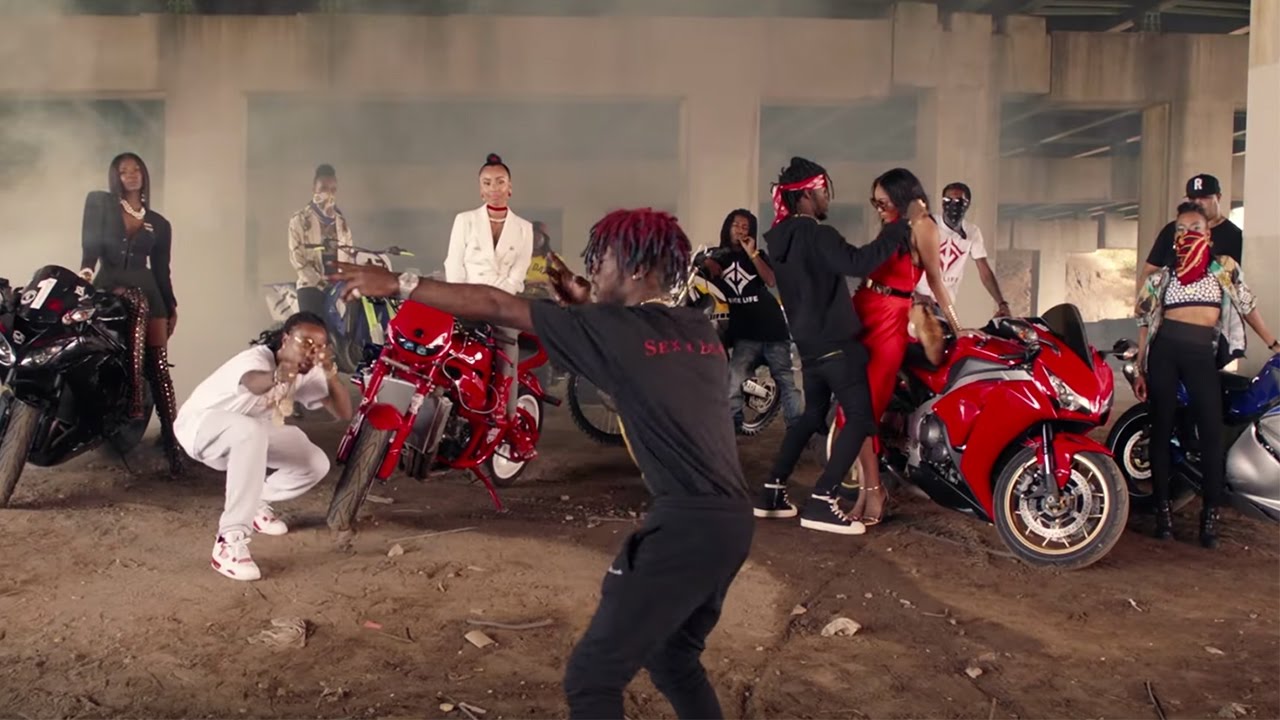


→ More from the 2010s File
View all 2010s hits →



Keep digging