The 2010s File Feature
Call Casting
Call Casting — Migos and the Culture III Overflow in 2017 The Migos Moment at Full Velocity Early 2017 was an extraordinary moment for Migos. The Atlanta tri…
01 The Story
Call Casting — Migos and the Culture III Overflow in 2017
The Migos Moment at Full Velocity
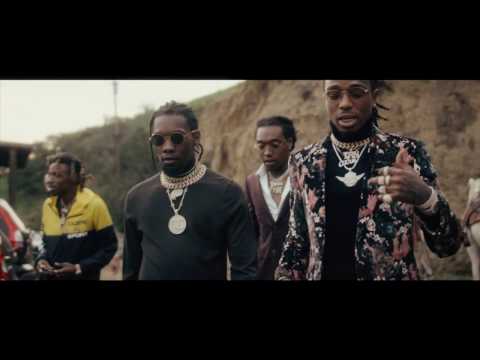
Early 2017 was an extraordinary moment for Migos. The Atlanta trio, consisting of Quavo, Offset, and Takeoff, had been building toward a mainstream commercial explosion for several years. Their 2013 single "Versace" had caught the attention of Drake, who contributed a remix verse that dramatically widened their profile. The mixtape years that followed established them as influential figures in Atlanta trap, known for a distinctive rhythmic style of delivery, sometimes called the triplet flow, that would become one of the most imitated sounds in American rap over the following five years.
"Bad and Boujee," featuring Lil Uzi Vert, had gone to number one on the Billboard Hot 100 in January 2017, the group's first chart-topper and one of the most culturally pervasive rap songs of that year. It arrived ahead of their second studio album Culture, released on January 27, 2017, which debuted at number one on the Billboard 200. Migos were, at that moment, the most commercially successful and culturally discussed rap group in America, and the album's reception was rapturous in both mainstream and critical quarters.
The Album Track That Charted
"Call Casting" appeared on Culture and benefited from the album's enormous commercial momentum. The song debuted on the Billboard Hot 100 on February 18, 2017, at position 62, the same week several other tracks from the album also appeared on the chart. This multi-entry phenomenon, in which a single album places numerous tracks simultaneously on the Hot 100, had become increasingly common as streaming was incorporated into chart methodology starting in 2012. The chart rules adopted in 2012 counted audio streams as part of a song's commercial performance, which meant that a massively consumed album would flood the chart with its tracklist in its first week of release.
Migos had enough streaming momentum behind Culture to place multiple tracks on the chart simultaneously, and "Call Casting" was one of those beneficiaries, charting for one week at number 62 before the album's initial consumption surge receded and the individual deep cuts cycled out. The song itself represents the group's confident command of trap production aesthetics: the 808 bass patterns, the layered ad-libs, the self-assured lyrical posturing that had become their signature.
Atlanta Trap and its Production World
Culture was produced by a rotating team of Atlanta-based producers whose names were central to the contemporary trap sound. Murda Beatz, Zaytoven, and Metro Boomin were among the contributors to the album, each bringing a slightly different variant of the trap production language that Atlanta had developed and that had become the dominant sound in American popular rap by 2017. The hallmarks were consistent across the record: cavernous low end, rattling hi-hat patterns, melodic synth lines in minor keys, and enough sonic space for the trio's layered vocal performances to breathe.
Trap's roots in Atlanta go back to T.I. and the early 2000s, but Migos represented a generational refinement and elaboration of the style that took its rhythmic innovations further than earlier practitioners. The triplet flow that Quavo, Offset, and Takeoff deployed became so widely adopted by other rappers, including artists at the absolute top of the commercial hierarchy, that music critics spent considerable time in 2017 and 2018 discussing its cultural dominance.
One Week, One Moment
A single week on the Billboard Hot 100 is, by most measures, a modest chart showing. But for an album deep cut from a massively successful record, it represents something meaningful: evidence that the audience was consuming the album in its entirety rather than simply streaming the lead single. The presence of "Call Casting" on the chart for that one week reflects the scale of Migos's commercial operation in February 2017 and the streaming habits of a fan base that was not content to hear just one or two songs from an album they were enthusiastic about.
In the streaming era, this kind of whole-album consumption is a genuine expression of artistic engagement, and the chart presence of tracks like "Call Casting" is its measurable trace.
The Legacy of Culture
Culture is now widely regarded as one of the defining rap albums of the 2010s, a record that crystallized the Atlanta trap sound at its commercial and creative peak and demonstrated that Migos's appeal was not merely a singles phenomenon but a sustained artistic statement. The album's streaming numbers, its critical reception, and its influence on subsequent rap production all speak to an artistic achievement that goes well beyond any individual chart placement. "Call Casting" is a piece of that larger puzzle, one of sixteen tracks that together made an argument for Migos as more than hitmakers. Press play and hear the album as it was meant to be heard, start to finish.
"Call Casting" — Migos's singular moment on the 2010s charts.
02 Song Meaning
Call Casting — Confidence, Trap Culture, and the Economics of Atlanta Street Life
The Trap Lyrical World
Migos's music inhabits a lyrical universe built around specific references: luxury goods, financial success, competitive hierarchy, and the particular social codes of Atlanta street culture. "Call Casting" is characteristic of this universe, deploying a vocabulary of aspiration and achievement that operates within a specific set of values and assumptions. The trap lyrical mode did not invent this territory; it inherited it from the Southern rap tradition and the broader gangsta rap lineage, then elaborated it with specific regional sensibility and a new set of sonic tools.
The word "casting" in the title suggests a dual meaning: the act of placing a call (making contact, doing business) and the entertainment industry practice of selecting performers for roles. This ambiguity is characteristic of trap lyricism's interest in performance and persona, in the way that success in the street world and success in the entertainment world rhyme and overlap, often uncomfortably.
The Triplet Flow and Its Cultural Significance
Much of what makes "Call Casting" and the broader Culture album significant has less to do with any individual lyrical proposition and more to do with how Migos deliver their words. The triplet flow that Quavo, Offset, and Takeoff perfected, in which syllables are distributed across beats in groups of three against a 4/4 rhythmic foundation, created a vocal texture unlike anything in mainstream rap prior to their popularization of it. The effect is rhythmically complex and melodically fluid, almost musical in the sense that a melodic instrument is musical.
Other rappers, including Drake, Young Thug, and eventually artists far outside the trap sphere, adopted elements of this flow. The cultural reach of Migos's stylistic innovation is hard to overstate; by 2018, the triplet flow was something close to the default setting for mainstream American rap, a shift that can be traced in significant part to the influence of Culture and its surrounding albums.
Materialism and Status as Emotional Language
A surface reading of trap lyricism encounters a great deal of material description: brand names, price points, specific luxury goods. A more attentive reading finds that these references function as an emotional language rather than simply as boasting. The accumulation of luxury goods in trap lyrics is a way of describing the emotional experience of having escaped scarcity, of having moved from one social position to another, of having achieved something that the speaker's circumstances made unlikely.
This is a form of testimony as much as braggadocio, and the intensity with which these artists return to material evidence of their success reflects the depth of what that success means to them. For Migos, who grew up in conditions that gave them specific personal stakes in the narrative of economic escape, the lyrical content was not performance but autobiography.
Atlanta's Moment and Its Musical Expression
In February 2017, Atlanta trap was not simply one musical genre among many; it was the dominant force in American popular music. The city's production ecosystem, including the producers, studio infrastructure, and creative community that surrounded and supported Migos, had developed a level of sophistication that rivaled any other musical center in the country. That ecosystem produced not just Culture but a remarkable range of commercially and artistically significant work across those years.
"Call Casting" as a document captures a moment when that ecosystem was at its most productive and confident. It is a snapshot of a cultural apex, and its brief Hot 100 presence is the measurable sign of an audience consuming a body of work with genuine enthusiasm rather than simply reacting to a promoted lead single.
→ More from Migos
View all Migos hits →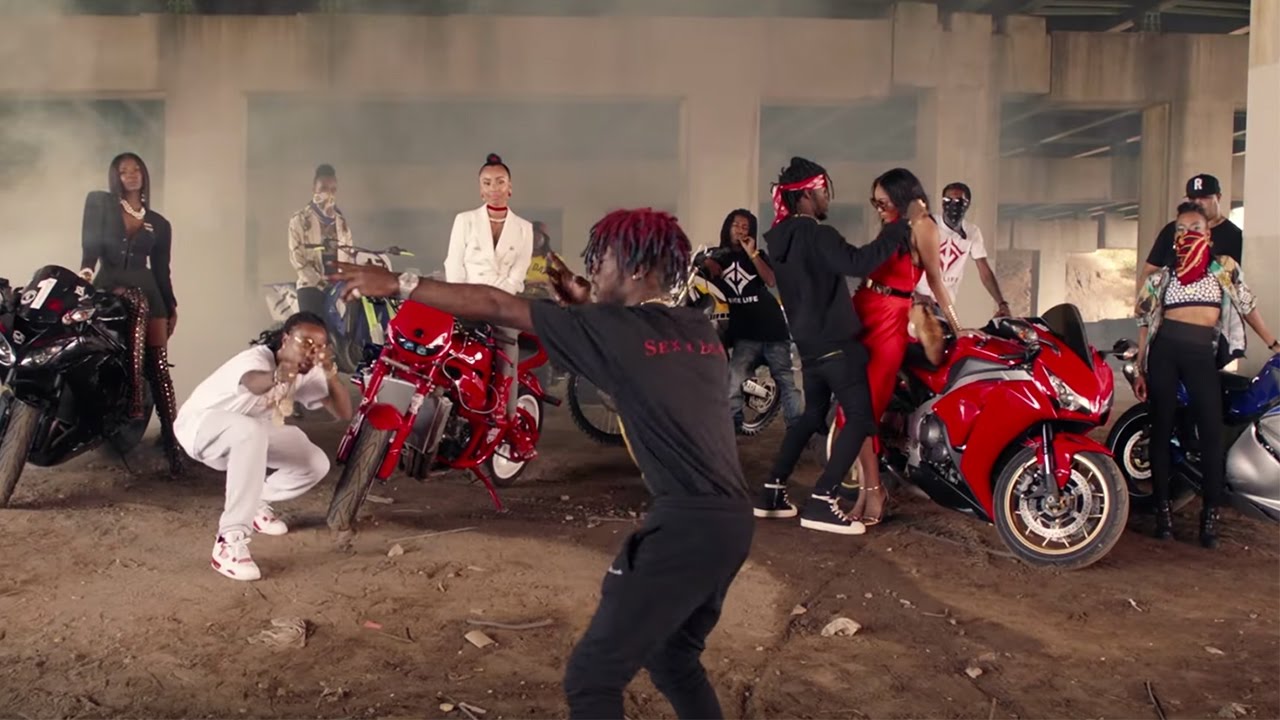


→ More from the 2010s File
View all 2010s hits →



Keep digging