The 2010s File Feature
Jump Out The Face
Jump Out The Face: Meek Mill and Future's Street-Rap Collaboration "Jump Out The Face" arrived in 2015 as part of a particularly turbulent and prolific perio…
01 The Story
Jump Out The Face: Meek Mill and Future's Street-Rap Collaboration
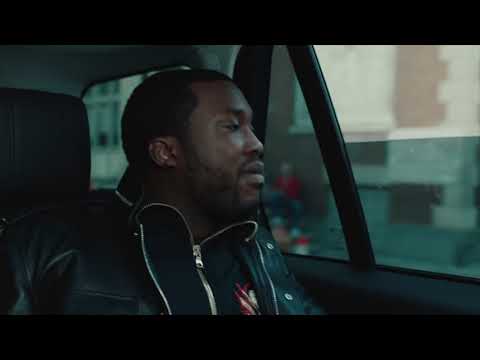
"Jump Out The Face" arrived in 2015 as part of a particularly turbulent and prolific period in Meek Mill's public life. The Philadelphia rapper had spent much of that year at the center of a high-profile beef with Drake that dominated hip-hop discourse for months, generating enormous social media engagement and complicating the rollout of his major releases. Against this backdrop, "Jump Out The Face" represented the more straightforward artistic business of releasing aggressive, confident rap music rooted in the street-rap traditions that had made Meek Mill a significant figure in the first place.
The track appeared on Dreams Worth More Than Money, Meek Mill's second major-label studio album, released in June 2015 through Atlantic Records and Dream Chasers Records. The album debuted at number one on the Billboard 200 with first-week sales that confirmed Meek Mill's commercial standing in the upper tier of hip-hop. Despite the public controversies surrounding its release period, the album found a large and receptive audience. "Jump Out The Face" was among the collaborations that gave the project some of its most potent moments.
Future's feature contribution to the track was an important element of its appeal. By 2015, Future had established himself as one of the most influential and distinctive voices in trap and street rap, having built a catalogue that combined melodic vulnerability with hard-edged subject matter in ways that were being widely imitated across the genre. His presence on "Jump Out The Face" brought his melodic sensibility and the specific kind of Atlanta energy that had become enormously influential in mainstream hip-hop during this period. The chemistry between the two artists was evident, as both brought intensity and conviction to the recording.
The production was built around a trap-influenced framework with heavy bass and precisely programmed percussion, the kind of backdrop that had defined the dominant sound of hip-hop's mainstream in the years following the rise of Atlanta's trap aesthetic. The drums had the characteristic snap and weight of the era's top production work, and the beat provided exactly the kind of propulsive momentum that both Meek Mill's aggressive delivery and Future's melodic approach required. The overall sound was dark and pressurized, suited to the lyrical content that circled around themes of loyalty, competition, and street credibility.
The song charted on the Billboard Hot Rap Songs and Hot R&B/Hip-Hop Songs charts, demonstrating the cross-appeal that Meek Mill's best work consistently achieved. The streaming numbers reflected the genuine enthusiasm of his core fanbase, which remained large and loyal despite the turbulent press cycle that surrounded the album's release. Radio play in the hip-hop and urban contemporary formats also contributed to the song's commercial footprint, as both Meek Mill and Future had the profile at this point to command significant airplay attention.
The recording's sonic and lyrical qualities were well received by critics who covered hip-hop seriously during this period. The song was noted as one of the album's stronger moments, a track that demonstrated Meek Mill at his most focused and effective. His delivery throughout "Jump Out The Face" had the energy and precision that had made him compelling as a live performer and that had driven the mixtape work through which he had first built his reputation. Future's contribution was similarly strong, adding melodic texture and a different emotional register that made the track feel more dynamic than a straightforward solo performance would have.
Meek Mill's ongoing legal troubles, which continued to shape public perception of him throughout this period and would eventually become a cause around which significant criminal justice reform advocacy organized, gave all of his work from this era a particular resonance. Songs about survival, loyalty, and the pressures of street life carried weight beyond the generic conventions of the style because they were being made by an artist whose own life was entangled with the justice system in ways that were playing out publicly. "Jump Out The Face" fits within that broader context even as it functions as a piece of trap-era hip-hop on its most immediate level.
The song's legacy is that of a solid deep cut from a commercially successful album released at a complicated moment, a track that demonstrated the core artistic qualities that made Meek Mill relevant independent of any controversies. It is frequently included in discussions of the album's strongest material and serves as evidence that the underlying creative work was not derailed by the noise surrounding its release.
02 Song Meaning
Loyalty, Threat, and the Code of the Street in "Jump Out The Face"
"Jump Out The Face" is built around the vocabulary and value system of street rap: loyalty tested under pressure, the consequences for betrayal, and the kind of sudden, decisive action that the narrator presents as both threat and promise. The title phrase itself encodes an entire worldview in four words, suggesting a capacity for unpredictable confrontation that is simultaneously a warning and a credential. In the social logic the song operates within, the willingness to "jump out" is not just physical capability but a statement of character.
Meek Mill's contribution to the track is rooted in a specific kind of Philadelphia street authenticity that has characterized his best work throughout his career. He presents himself as someone for whom the situations being described are not abstractions or performances but lived realities, and this quality of conviction is central to why his most aggressive material carries weight beyond its generic conventions. The narrator of "Jump Out The Face" is not a character being constructed for entertainment. He is a representative of a set of experiences and a particular community's way of understanding the world and its dangers.
Future's contribution adds a melodic and emotional dimension that prevents the track from being simply confrontational. His approach has always involved threading genuine feeling through material that might otherwise read as purely hostile, and on this track his presence softens the edges slightly while maintaining the overall intensity. The combination of Meek Mill's more direct aggression and Future's melodic approach creates a dynamic tension that makes the recording more interesting than either artist alone would have produced in this specific context.
The song's themes of loyalty and betrayal are among the most persistent in street rap for reasons that reflect real social conditions. In communities where institutional trust is low and formal mechanisms of protection and dispute resolution are absent or actively hostile, personal loyalty networks become the primary structure of social life. The intensity with which those loyalties are defended and the severity of the consequences for betrayal reflect their actual importance in the social world being described. "Jump Out The Face" is not exaggerating a threat for dramatic effect. It is describing, in the stylized language of trap-era rap, a real set of stakes.
The competitive element in the song also connects to the broader context of Meek Mill's career in 2015. He was navigating a very public rivalry with another major rap artist while simultaneously trying to establish himself at the top of the genre's commercial hierarchy. The confidence and aggression in "Jump Out The Face" were not incidental. They were a statement of position, an assertion that whatever challenges he was facing publicly, his core capabilities and character remained intact and formidable.
Within Meek Mill's catalogue, the song is representative of the kind of work that built and sustained his credibility with the audience most important to him. While his more melodic and commercially oriented material reaches broader demographics, it is the uncompromising street-rap recordings that cement his standing within the communities whose opinion he has consistently treated as most authoritative. The meaning of "Jump Out The Face" is inseparable from that relationship between artist and audience, a conversation conducted in a shared language about shared realities.
→ More from Meek Mill Featuring Future
View all Meek Mill Featuring Future hits →



→ More from the 2010s File
View all 2010s hits →



Keep digging