The 2010s File Feature
Helluva Night
Ludacris and "Helluva Night": A 2013 Chart Moment By 2013, Ludacris had been one of the most recognizable names in hip-hop for more than a decade. The Atlant…
01 The Story
Ludacris and "Helluva Night": A 2013 Chart Moment
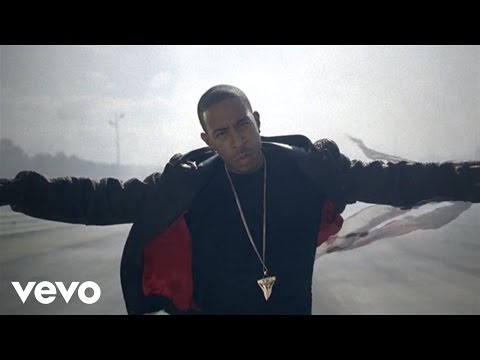
By 2013, Ludacris had been one of the most recognizable names in hip-hop for more than a decade. The Atlanta-based rapper, born Chris Bridges, had built a career on rapid-fire wit, technical precision, and an ability to shift between radio-friendly party anthems and more aggressive club-oriented material with apparent ease. "Helluva Night," released as a single from his eighth studio album "Burning Bridges," marked his entry onto the Billboard Hot 100 on September 7, 2013, debuting and peaking at number 96 in a single-week chart appearance that represented the modest commercial showing of an artist whose commercial and critical peak had passed but whose presence remained significant within the genre.
Ludacris had emerged at the turn of the millennium as part of the wave of Southern hip-hop artists who would fundamentally reshape the genre's commercial and stylistic center of gravity over the following decade. His 2000 debut album "Back for the First Time" and the singles that followed established him as a force on both the rap charts and the mainstream pop charts, with a series of major hits that demonstrated his ability to connect with broad audiences without abandoning the energy and wordplay that defined his core appeal.
His commercial peak, measured in chart performance and sales figures, fell roughly between 2001 and 2006, a period that included his most successful album projects and his highest-charting singles. By 2013, the landscape of hip-hop had changed considerably: the genre had continued to evolve, new commercial voices had emerged to occupy the center of the market, and the audience's attention had shifted in ways that made sustained multi-decade chart dominance increasingly rare. "Helluva Night" arrived in this context, a record that served his existing fanbase rather than aggressively pursuing new listeners.
The "Burning Bridges" album, from which the single was drawn, was released in October 2013 through his own Disturbing tha Peace label in partnership with GOOD Music and Epic Records. The album title carried thematic implications that resonated with Ludacris's position in the industry: an established artist willing to take risks and make statements, aware that some of those choices might alienate industry relationships but committed to creative autonomy nonetheless.
The production aesthetic of "Helluva Night" was consistent with the trap-influenced sound that was becoming increasingly dominant in commercial hip-hop in 2013. The production choices, with their emphasis on atmospheric keyboards and heavy low-end, placed the record within the contemporary sonic framework even as it reflected Ludacris's particular delivery style and lyrical sensibility. His flow remained technically accomplished, and the record demonstrated that the craft he had developed over more than a decade had not eroded even as the commercial context had changed.
The single-week chart appearance, debuting and peaking at 96 before exiting the Hot 100, reflected the reality of the streaming-and-download era's effect on chart dynamics. The introduction of streaming data into the Hot 100's methodology in 2012 had significantly altered how songs entered and sustained their chart presence, creating new patterns of chart behavior that affected established artists differently than emerging ones. A song that might previously have climbed gradually over several weeks could now appear briefly and exit quickly, its chart life determined by a concentrated burst of streaming activity rather than sustained radio airplay.
Ludacris's career had by this point extended well beyond music into film, where his role in the "Fast and Furious" franchise had given him a global profile that transcended genre audiences. This film career, parallel to and sometimes more commercially visible than his recording work, complicated simple narratives of chart decline: an artist whose face and name were known to hundreds of millions of moviegoers was not in any conventional sense a faded presence, regardless of his single-week chart performances.
The legacy of "Helluva Night" within his catalog is that of a late-career record that demonstrated continued creative activity and genre engagement without producing the commercial breakthrough that might have repositioned him in the market. For an artist of Ludacris's stature, this was neither unusual nor particularly troubling: the record existed as part of an ongoing body of work produced by an artist who had already made his most significant contributions to the genre and was continuing to work within it on his own terms.
02 Song Meaning
The Context and Meaning of Ludacris's "Helluva Night"
"Helluva Night" belongs to a specific tradition within hip-hop: the celebratory recounting of excess, a genre convention in which the narrator describes an extraordinary night of revelry as both a form of entertainment and a declaration of status. Ludacris's 2013 recording works within this tradition while reflecting the particular sonic and cultural moment of its creation, placing the familiar thematic material in a contemporary production context shaped by trap music's growing dominance in commercial hip-hop.
The party narrative in hip-hop has served multiple functions across the genre's history. At the surface level, it provides entertainment and escapism: the listener is invited to imaginatively participate in experiences of pleasure and release that may or may not reflect their own life circumstances. At a deeper level, the ability to describe and claim such experiences is itself a form of status assertion, a demonstration that the narrator occupies a position that allows access to the pleasures being described. Ludacris had worked in this tradition throughout his career, and "Helluva Night" represented a continuation of that engagement rather than a departure from it.
The title's casual profanity is characteristic of Ludacris's voice: direct, slightly aggressive in its insistence on not softening the material for more conservative audiences, yet deployed within a framework of humor and self-awareness that prevents it from feeling merely crude. This tonal balance, profanity in the service of wit rather than shock, had been a constant in his work since his earliest recordings and was a significant part of what distinguished his voice within a genre where similar choices are common but not always made with equivalent skill.
By 2013, Ludacris was working in a hip-hop landscape that had moved considerably since his commercial peak years. The rise of trap music as the dominant commercial form had shifted aesthetic expectations in ways that created challenges for established artists whose sound had been formed in an earlier period. "Helluva Night" engaged with trap's sonic vocabulary while maintaining Ludacris's own lyrical identity, a negotiation that many veteran hip-hop artists were navigating simultaneously during this transitional period in the genre.
The "Burning Bridges" album title suggested an artist willing to accept the costs of making uncompromised creative choices, and "Helluva Night" can be read within this framing as a declaration of intent to remain creatively engaged on his own terms rather than to pursue chart positions through calculated concession to current trends. Whether one reads this as artistic integrity or commercial miscalculation depends on the values one brings to the assessment. What is clear is that the record represents a specific moment in the ongoing negotiation between a major artist's established identity and the evolving demands of the marketplace, a negotiation that every long-career artist in popular music must eventually confront.
→ More from Ludacris
View all Ludacris hits →



→ More from the 2010s File
View all 2010s hits →



Keep digging