The 2010s File Feature
How To Hate
The Story Behind How To Hate by Lil Wayne Featuring T-Pain Picture 2011: Lil Wayne is one of the biggest and most prolific artists in all of music, fresh fro…
01 The Story
The Story Behind "How To Hate" by Lil Wayne Featuring T-Pain
Picture 2011: Lil Wayne is one of the biggest and most prolific artists in all of music, fresh from a remarkable run of success and a dominant cultural presence. The New Orleans rapper teamed up with T-Pain, the auto-tune pioneer whose distinctive sound had reshaped the era's hip-hop and R&B. With this bitter, emotionally raw single about a soured relationship, the two frequent collaborators delivered a track that channeled heartbreak into anger.
A Dominant Force
By 2011, Lil Wayne was operating at the height of his powers and influence, one of the most commercially successful and critically discussed rappers of his generation. "How To Hate" came from his album Tha Carter IV, released that year, one of the most anticipated and successful records of his career. The single paired him with T-Pain, a frequent collaborator whose melodic, auto-tuned style complemented Wayne's distinctive delivery. The track found the rapper in an emotionally charged mode, exploring the bitter aftermath of a relationship gone wrong.
The Guest Collaborator
The track was elevated by the presence of a distinctive featured artist. It featured T-Pain, the singer and rapper who had revolutionized popular music with his pioneering, heavy use of auto-tune. His melodic, processed vocals had become one of the defining sounds of the era, and his collaborations with Lil Wayne were among the most popular of the period. On this track, his emotive delivery added a layer of melodic vulnerability to the song's bitter theme, complementing Wayne's verses and giving the record its distinctive blend of singing and rapping.
A Brief Chart Appearance
Despite the star power involved, the single had only a fleeting run on the pop chart, serving more as an album track than a major standalone single. It appeared on the Billboard Hot 100 dated September 17, 2011, at number 84, which was both its debut and its peak, and it spent just one week on the Hot 100. That brief showing reflected its role within the broader, hugely successful album campaign for Tha Carter IV, which dominated the charts as one of the year's biggest releases.
The Auto-Tune Era
The collaboration sits squarely within one of the defining sonic trends of its time. T-Pain had popularized the heavy, expressive use of auto-tune, transforming a once-corrective studio tool into a deliberate artistic effect that reshaped the sound of hip-hop and R&B in the late 2000s and early 2010s. That processed, melodic vocal style became ubiquitous, used by countless artists to blur the line between singing and rapping and to convey emotion in a distinctive new way. Lil Wayne himself had embraced the technique extensively, and his frequent collaborations with T-Pain were among the most prominent examples of the trend. This single exemplifies that era's sound, using auto-tuned melody to channel raw emotional feeling. While the technique would eventually become so widespread that it drew backlash, its prominence here captures a specific and influential moment in the evolution of popular music's sonic palette.
Part Of A Blockbuster Album
The single belonged to one of the most successful albums of Lil Wayne's career, a record that confirmed his status at the top of hip-hop. It demonstrated his emotional range, channeling heartbreak and resentment into a raw, melodic track, and it showcased his enduring chemistry with T-Pain. While it was not among the album's biggest hits, the song stands as a notable example of the emotionally charged, auto-tuned collaboration that defined much of the era, a bitter exploration of love turned sour from two of the period's most influential artists.
Put it on and feel the raw edge of heartbreak turned to anger. This is emotionally charged hip-hop from two genre-shaping artists.
"How To Hate" — Lil Wayne Featuring T-Pain's singular moment on the 2010s charts.
02 Song Meaning
The Meaning Of "How To Hate" by Lil Wayne Featuring T-Pain
This is a song about the bitter aftermath of a soured relationship, about a love that has curdled into resentment and the painful process of learning to hate someone you once cared for. It captures the raw anger and hurt of heartbreak, exploring how affection can twist into bitterness when a relationship goes wrong.
Love Turned To Bitterness
The central theme is emotional transformation. The song explores how love can sour into hatred, how the same intensity of feeling that once fueled affection can become resentment and anger. The very title points to this painful shift, suggesting that the narrator has been taught, through hurt and betrayal, how to feel contempt for someone he once loved. It is a raw acknowledgment of love's capacity to turn destructive.
The Pain Behind The Anger
Beneath the bitterness runs genuine hurt. The hatred the song describes is not cold but charged with pain, a reaction born of deep disappointment and betrayal. That underlying wound gives the anger its emotional weight, revealing that the resentment is really a symptom of heartbreak. The song understands that the strongest hatred often comes from the deepest love, and that bitterness is frequently just pain wearing a harder face.
Vulnerability In Hip-Hop
The song reflects a particular emotional openness in its era's music. The blend of Lil Wayne's verses and T-Pain's melodic, auto-tuned delivery channels raw, vulnerable feeling, showing that hip-hop could express heartbreak and emotional turmoil as powerfully as anger or bravado. That willingness to explore wounded, complicated emotions gave the song a relatable human core, moving beyond simple toughness to confront the messy reality of love gone bad.
Hate As A Learned Response
The song's title points to a subtle psychological truth worth examining. Framing hatred as something one is taught to feel suggests that contempt does not come naturally but is produced by repeated hurt and betrayal. The narrator implies that he had to learn how to hate, that his former partner's actions effectively instructed him in resentment. That framing shifts some responsibility onto the relationship's failure rather than the narrator's character, presenting his bitterness as a reaction rather than a flaw. It captures the way prolonged disappointment can gradually erode affection until only anger remains, a process of emotional transformation driven by accumulated wounds. That nuanced view of how love sours gives the song a thoughtful edge beneath its raw bitterness.
Why It Resonated
The song connected because its emotional situation is so painfully familiar. Many people have experienced the bitter aftermath of a relationship in which love turned to resentment, and the song gave that difficult feeling a raw, honest shape. Delivered by two influential artists with a blend of rapping and melodic singing, it offered listeners a cathartic expression of heartbreak and anger, the painful but relatable experience of learning to hate someone you once loved.
→ More from Lil Wayne Featuring T-Pain
View all Lil Wayne Featuring T-Pain hits →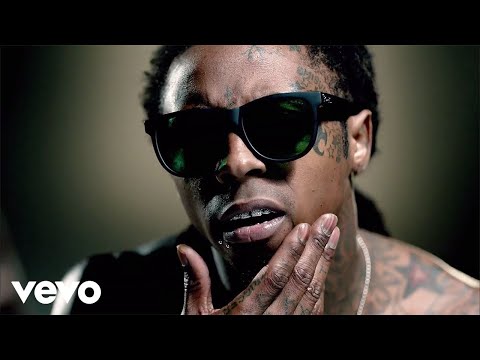



→ More from the 2010s File
View all 2010s hits →


Keep digging