The 2010s File Feature
Kamikaze
Kamikaze — Lil Mosey: Chart History and Commercial Journey Note: This entry concerns "Kamikaze" by Lil Mosey (2018), not the Eminem album of the same name re…
01 The Story
Kamikaze — Lil Mosey: Chart History and Commercial Journey
Note: This entry concerns "Kamikaze" by Lil Mosey (2018), not the Eminem album of the same name released in the same year.
"Kamikaze" introduced Lil Mosey to a national audience and established the Seattle-area rapper as one of the most promising young voices in the melodic rap and SoundCloud rap ecosystem that was reshaping the commercial landscape of hip-hop in the late 2010s. Released in 2018 as the lead single from his debut mixtape/album Northsbest, the song demonstrated Mosey's instinctive feel for the kind of breezy, hook-centered melodic flow that had become the dominant mode in youth-oriented hip-hop. The track's success on streaming platforms preceded and eventually drove its chart performance, following a pattern that had become standard for emerging rap artists in the streaming era.
Lil Mosey, born Lathan Moses Echols in Mountlake Terrace, Washington, was still a teenager when "Kamikaze" began gaining traction. His age was both a selling point and a defining context: he represented a generation of artists who had grown up with streaming as the primary medium of music consumption and who had developed their artistic sensibilities accordingly. The melodic approach that characterized his delivery was shaped by influences including Lil Uzi Vert, Kodak Black, and the broader wave of artists who had blurred the line between rapping and singing into a continuous melodic flow.
The production on "Kamikaze" is built around an atmospheric trap framework with a melodic synth lead that gives the track an open, almost melancholic quality despite its upbeat surface energy. The beat provides space for Mosey's relaxed, floating vocal approach, which at times leans more heavily toward melody than toward the percussive precision of traditional rap delivery. This production choice aligned the song with a broader aesthetic trend that was generating massive streaming numbers for artists like Juice WRLD, Lil Skies, and others who were finding enormous audiences among teenage listeners on platforms like Spotify and Apple Music.
Northsbest was released through Interscope Records, which had signed Mosey on the strength of the early buzz around "Kamikaze" and his other initial recordings. Interscope's investment represented a broader industry pattern in which major labels were signing young melodic rap artists quickly, often on the basis of streaming momentum rather than traditional industry development cycles. The label's infrastructure amplified Mosey's existing organic reach and helped push "Kamikaze" into playlist placement contexts that accelerated its streaming accumulation considerably.
On the Billboard Hot 100, "Kamikaze" achieved a placement that confirmed Mosey's status as a commercially viable act rather than simply a streaming-era phenomenon that might fade before translating into broader chart success. The song's chart performance was driven primarily by streaming metrics, reflecting the methodology adjustments that Billboard had implemented in the mid-2010s to better capture actual listener behavior. The track's strong streaming numbers translated into chart positions that gave the song and its creator visibility in mainstream music media conversations.
The music video for "Kamikaze" accumulated tens of millions of views on YouTube, providing an additional promotional platform for the song and giving casual fans a visual identity to associate with Mosey's music. The video's aesthetic aligned with the general visual vocabulary of the melodic rap scene, featuring imagery associated with youth culture, leisure, and a kind of effortless cool that matched the song's sonic tone.
Critical reception to the song was generally positive within hip-hop media, with reviewers noting Mosey's natural melodic instincts and his ability to generate an infectious energy without resorting to shock value or aggressive posturing. Complex, XXL, and other hip-hop publications included Mosey in their coverage of emerging artists during 2018, with "Kamikaze" cited as evidence of his commercial potential. These early endorsements from tastemaker publications helped establish credibility with an audience that tracked new artists through media coverage as well as streaming data.
The song's commercial run extended across multiple months, as sustained streaming activity continued to generate chart-relevant data long after the initial promotional push had concluded. This extended tail was characteristic of successful streaming-era rap tracks, which could maintain chart relevance through playlist inclusion and algorithmic recommendation long after traditional radio promotion would have moved on. Lil Mosey's subsequent releases built directly on the foundation that "Kamikaze" established, and by 2020 he had achieved even greater commercial success with tracks that applied the same melodic formula to increasingly polished production contexts.
02 Song Meaning
Kamikaze — Lil Mosey: Meaning, Themes, and Emotional Register
"Kamikaze" draws on the term's connotations of reckless, all-in commitment to describe an approach to romantic pursuit and lifestyle aspiration that prizes intensity over caution. The word itself, borrowed from Japanese military history and its association with total self-sacrifice for a goal, is deployed here as a metaphor for the kind of unguarded, fearless emotional investment that the speaker either advocates for or embodies. The song transforms a term associated with destruction into one associated with passionate living, a rhetorical move that gives it an appealing energy for young listeners who may recognize in it the experience of feeling so strongly about something that ordinary self-preservation instincts fall away.
The lyrical content moves between romantic subject matter and broader lifestyle themes common to the melodic rap genre of its era. The song is less interested in narrative specificity than in emotional atmosphere, prioritizing the feeling of a particular mode of living over the detailed description of specific events or relationships. This approach is characteristic of the melodic rap wave to which Mosey belongs, where the goal is to generate a mood that listeners can inhabit rather than to tell a story they can follow.
Lil Mosey's youth is relevant to the song's meaning in a direct way. The kamikaze metaphor resonates differently when voiced by a teenager than it would from an older artist. Young people are disproportionately likely to experience emotions with the kind of all-consuming intensity the word implies, and Mosey's delivery communicates genuine familiarity with that state rather than performing it as an artistic pose. The authenticity of the emotional register is part of what made the song resonate so immediately with listeners in his demographic.
The production's atmospheric quality reinforces the song's thematic content. The slightly melancholic synth melody that runs beneath the trap percussion creates a mood of bittersweet urgency, suggesting that the kamikaze approach to living comes with an awareness of its own fragility. There is something almost elegiac about the sonic environment, as if the song knows that the intensity it describes cannot be sustained indefinitely. This emotional undercurrent gives the track more depth than its surface energy might suggest.
In the context of Lil Mosey's developing artistic identity, "Kamikaze" established several defining characteristics that would continue to mark his work. His tendency to float between melody and rap rather than committing fully to either mode created a signature sound that was both immediately recognizable and broadly appealing. The song demonstrated that his artistic instincts were commercially sound without being cynically calculated; the melody and the emotional register both feel genuinely expressive rather than formulaic, even as they operate within a well-established commercial framework.
The song's title also functions as a statement about artistic ambition and the willingness to commit fully to a creative direction without hedging. In the context of the rap world Mosey was entering, where artists frequently tried to cover multiple bases simultaneously, "Kamikaze" could be heard as a declaration of intent: this is his sound, and he is pursuing it with complete commitment regardless of the risks that kind of singularity might entail. That reading gives the title an additional layer of meaning beyond its application to romantic or lifestyle themes, connecting it to the broader project of Mosey's artistic self-definition at the moment of his public emergence.
→ More from Lil Mosey
View all Lil Mosey hits →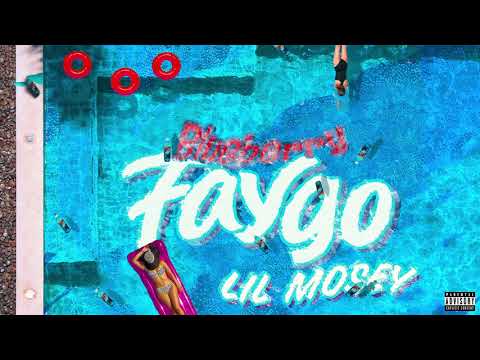
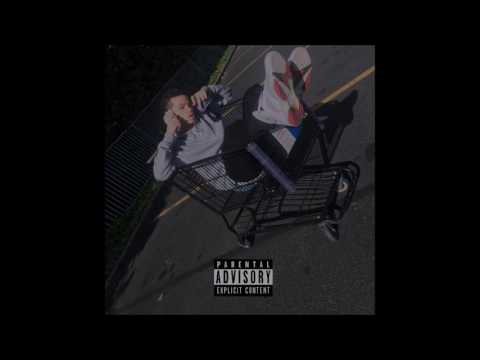
→ More from the 2010s File
View all 2010s hits →



Keep digging