The 2010s File Feature
ZEZE
"ZEZE" by Kodak Black Featuring Travis Scott and Offset: Chart History and Cultural Context "ZEZE" is a hip-hop track by Florida rapper Kodak Black, featurin…
01 The Story
"ZEZE" by Kodak Black Featuring Travis Scott and Offset: Chart History and Cultural Context
"ZEZE" is a hip-hop track by Florida rapper Kodak Black, featuring guest verses from Houston rapper and producer Travis Scott and Atlanta rapper Offset of Migos. The song was released on September 14, 2018, through Sniper Gang Presents, Atlantic Records, and Compact Impact. It became one of the most commercially significant tracks of Kodak Black's career, arriving during a period when his legal difficulties threatened to overshadow his musical output.
The production was handled by Sonny Digital, who built the beat around a sample of the 1970 song "Fields of Hope" by guitarist Teddy Pendergrass, giving the track a melodic, slightly melancholy foundation beneath Kodak Black's characteristically laconic delivery. The contrast between the soft, looping sample and the hard content of the verses became a defining sonic quality of the record, situating it within the melodic trap tradition that had been gaining commercial momentum since the mid-2010s.
On the Billboard Hot 100, "ZEZE" debuted at number two in its opening week, one of the highest debut positions for a rap track at that time. It was kept from the number one position by Drake's "In My Feelings," which was dominating the chart during the summer and fall of 2018. Despite not reaching the top position, a peak of number two represented a commercial breakthrough for Kodak Black, whose previous chart entries had been strong but had not reached this level of mainstream saturation. The song spent multiple weeks in the top ten, affirming its status as a genuine hit rather than a streaming-driven spike.
The track also performed strongly on Billboard's Hot Rap Songs chart, where it reached number one, and on the Hot R&B/Hip-Hop Songs chart. Its streaming numbers were exceptional, with the song accumulating tens of millions of plays in its opening days across Spotify, Apple Music, and YouTube, reflecting the extent to which streaming had become the primary driver of hip-hop chart performance by 2018.
Travis Scott's feature verse was widely noted as a highlight, consistent with his standing as one of the most commercially reliable guest performers in rap at the time. His contribution added a second voice that complemented rather than overwhelmed Kodak Black's distinctive style, and his existing fanbase helped push the song's streaming figures into blockbuster territory. Offset's verse similarly represented the continued commercial potency of the Migos orbit in 2018, when the group's influence on mainstream rap was near its peak.
"ZEZE" was included on Kodak Black's mixtape "Dying to Live," released on December 14, 2018, through the same label arrangement. That project debuted at number one on the Billboard 200, making Kodak Black a chart-topping album artist despite the legal pressures he was navigating at the time. The album's success was in large part attributable to the momentum generated by "ZEZE" and the audience it had consolidated over the preceding months.
The song's commercial success arrived during a complicated period for Kodak Black. He was facing serious legal charges, and his career had already experienced interruptions due to prior legal issues. The fact that "ZEZE" broke through so dramatically in this context spoke to the loyalty of his fanbase and the genuine quality of the record as a piece of commercial rap songwriting. The legal narrative surrounding him would eventually lead to a federal sentence in 2019, though he was pardoned by President Donald Trump in January 2021.
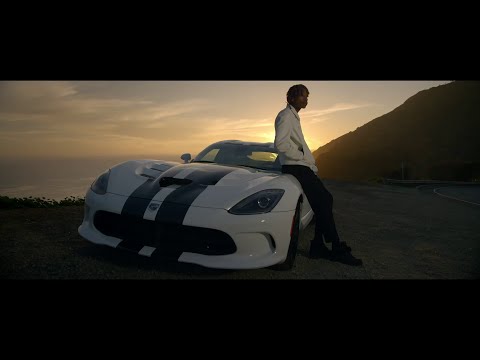
The music video, directed to capitalize on the song's cinematic production quality, received millions of views and kept the track visible in the cultural conversation during its chart run. The video's imagery drew on the kind of atmospheric Southern rap visual vocabulary that Kodak Black had helped popularize through his earlier releases.
Within the landscape of 2018 hip-hop, "ZEZE" arrived at a moment of extraordinary commercial productivity for the genre. Trap music had achieved complete mainstream dominance, and the melodic subdivision of that genre, which "ZEZE" exemplified, was producing consistent hit records. The song's melancholic sample-based instrumental set it apart from the more aggressive end of the trap spectrum, giving it radio crossover appeal that pure street rap often struggled to achieve.
The title "ZEZE" is a reference to a street nickname, consistent with the character-based naming conventions common in Southern rap. The name became associated with the song's hook to the point where it entered casual listener vocabulary, a marker of genuine cultural penetration beyond the dedicated hip-hop fanbase. The track's legacy includes its demonstration that Kodak Black's melodic sensibility could survive collaboration with two of the biggest names in mainstream rap without being subsumed by their commercial profiles.
02 Song Meaning
The Meaning of "ZEZE" by Kodak Black Featuring Travis Scott and Offset
"ZEZE" operates within the established tradition of Southern rap street narrative, drawing on the autobiographical mode that has characterized Kodak Black's approach throughout his career. The song uses personal address and coded references to construct a portrait of loyalty, suspicion, and survival in an environment where trust is a scarce resource. The name "ZEZE" in the hook functions as a direct call to a figure in Kodak Black's social world, grounding the track in the specificity of personal experience rather than generic rap boasting.
Kodak Black's verse operates through a vernacular of earned experience, presenting survival and success not as fantasies but as hard-won realities. His delivery style, laconic and slightly melodic, suits the nostalgic quality of the Teddy Pendergrass sample underneath the track. The tension between the warmth of the sample and the hardness of the content is itself a kind of meaning, suggesting that even within difficult circumstances there is something worth celebrating, some warmth in the connections that sustain a person through adversity.
Travis Scott's contribution to the song adds a layer of aspirational imagery consistent with his personal artistic framework. His verse leans into the mythology of success and movement, of escaping origin and arriving at a larger life. This perspective complements rather than contradicts Kodak Black's more grounded voice, the two rappers triangulating around related but distinct versions of what it means to have made it out. Travis Scott's verse was praised by critics and fans alike for its hook-writing instinct and its ability to amplify the song's emotional register without overwriting the original vision.
Offset's verse contributes the third perspective, leaning into the luxury and status-consciousness that characterized the Migos brand at the height of their influence in 2018. His presence on the track is consistent with the broader cultural moment in which Atlanta rap had established itself as the dominant commercial force in hip-hop, and his verse functions as a kind of endorsement, a signal that "ZEZE" belonged in the same conversation as the biggest records of that era.
The Sonny Digital production is inseparable from the song's meaning. The looping sample creates a melancholic, slightly nostalgic atmosphere that sits in productive tension with the confident tone of the verses. This is a production technique with deep roots in hip-hop, using emotionally loaded source material to create a context in which the rap verses gain additional resonance. The choice of a 1970s source reflects a sensibility, common in melodic trap, that reaches back through generations of Black American musical expression to find emotional depth that purely electronic production might not provide on its own.
The song's meaning is also shaped by the biographical context of Kodak Black's situation at the time of its release. Navigating serious legal challenges while producing commercially ambitious music created a specific kind of pressure that listeners could sense in the urgency and directness of his delivery. The song functions partly as an assertion of continued presence, a declaration that circumstances had not extinguished the creative energy that had made him a significant voice in the first place. This defiance in the face of adversity is a recurring theme in Southern rap tradition, and "ZEZE" sits comfortably within that lineage.
Ultimately, the song is a snapshot of a particular moment in hip-hop culture, when melodic trap was at the height of its commercial influence, when the feature economy was producing remarkable multi-perspective tracks, and when an artist navigating external pressures could still find the clarity to produce work that resonated millions of people. The combination of personal specificity and broad emotional accessibility is what gave "ZEZE" its commercial reach and its staying power in playlists well beyond its initial chart run.
→ More from the 2010s File
View all 2010s hits →



Keep digging