The 2010s File Feature
The Boys of Fall
The Boys of Fall — Kenny Chesney (2010) Kenny Chesney has built a career on songs that honor working-class American rituals, and "The Boys of Fall" stands as…
01 The Story
The Boys of Fall — Kenny Chesney (2010)
Kenny Chesney has built a career on songs that honor working-class American rituals, and "The Boys of Fall" stands as one of the most focused expressions of that instinct. Released in August 2010 as the lead single from his album Hemingway's Whiskey, the song arrived as a tribute to high school football and the culture that surrounds it in small-town America. It was written by David Lee Murphy and Rivers Rutherford, two Nashville veterans who understood the emotional architecture of the subject: the Friday night lights, the community gathered in aluminum bleachers, the identity that a young man finds when he pulls on a jersey for the first time.
The production was handled by Buddy Cannon, who served as Chesney's longtime collaborator on the Hemingway's Whiskey project. Cannon shaped the track with a muscular arrangement that leaned into electric guitar and a driving rhythm section, giving the song an anthemic quality appropriate to its subject matter. The sonic palette was deliberately cinematic, intended to evoke the spectacle of a stadium filling on a September evening. Chesney has spoken publicly about the personal resonance the song held for him, noting that football represented a formative community experience during his own upbringing in Luttrell, Tennessee.
The song debuted on the Billboard Hot Country Songs chart and climbed steadily through the autumn of 2010, a season that synchronized perfectly with the subject matter. It reached number two on that chart, and its run coincided with the opening weeks of the NFL and college football seasons, giving country radio a timely anthem that programmers embraced enthusiastically. The track also generated significant crossover attention, with ESPN incorporating it into several football broadcast packages during the fall 2010 season, which expanded its reach well beyond the traditional country audience.
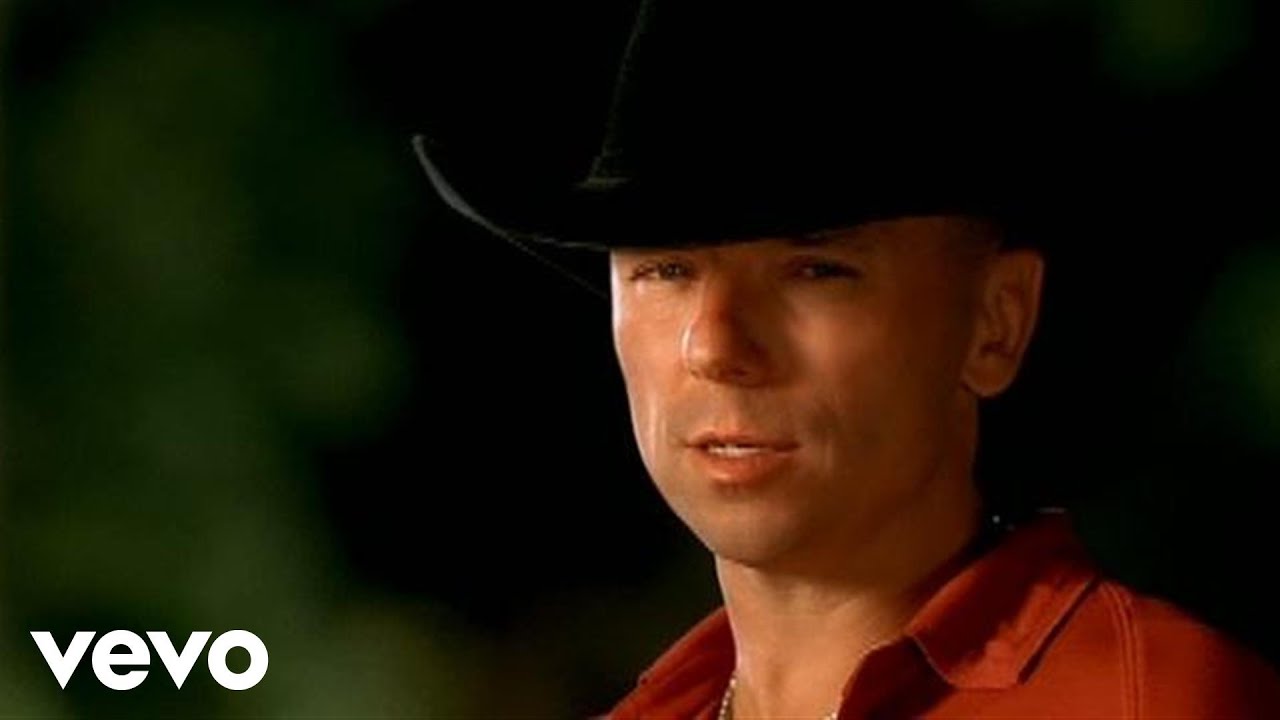
The music video, directed by Peter Zavadil, was a collaborative production that featured footage of actual high school football players from multiple states, giving the video a documentary texture that reinforced the song's grounded, non-fictional approach to its subject. The video was notable for featuring appearances by a number of NFL players, including Peyton Manning, Drew Brees, and other prominent figures who recorded testimonials about the impact of high school football on their lives and careers. This decision to anchor the video in real biography rather than fictional narrative gave "The Boys of Fall" an unusual weight for a country single.
The song was released on Mercury Nashville, Chesney's label at the time, and it served as an effective commercial opening for Hemingway's Whiskey, which debuted at number one on the Billboard 200 in October 2010. The album was a commercial and critical success, and "The Boys of Fall" established the emotional register that Chesney intended the project to inhabit: nostalgia tempered by genuine feeling, community as a subject worthy of serious treatment in popular song.
Critical reception was warm across the country music press. Reviewers noted that Chesney brought an unusual level of sincerity to the material, avoiding the sentimentality that can flatten songs about sports and nostalgia. The track won the Academy of Country Music Award for Video of the Year in 2011, a recognition that acknowledged both the quality of the production and the cultural resonance the song had achieved in a remarkably short period. The video's use of real athletes and real communities distinguished it from more conventional country music videos of the era.
Beyond its initial chart success, "The Boys of Fall" became a fixture in Chesney's live show, regularly performed during the large-scale stadium tours that defined his career through the 2010s. The song proved durable in a way that many chart hits do not, retaining its emotional immediacy in live performance because its subject, the collective memory of high school athletics, resonates with audiences across age groups and regions. College football programs and high school teams around the country adopted the song as an unofficial anthem, which further embedded it in the cultural fabric of American autumn.
The track's success reinforced Chesney's position as the dominant live draw in country music at the time and demonstrated his ability to move from sun-and-sand escapism, the mode he was often associated with, into more grounded, community-centered storytelling without losing any of his audience. "The Boys of Fall" remains one of the signature songs of his catalog precisely because it treats a specific, localized American experience with the gravity it deserves, rather than reducing it to a nostalgic backdrop.
02 Song Meaning
What "The Boys of Fall" Means
"The Boys of Fall" is a meditation on the American ritual of high school football, but its deeper subject is the way that shared experience becomes identity. The song treats the football field not as a sporting venue but as a place where young men discover who they are and, more importantly, who they are in relation to their community. It is a song about belonging, about the specific joy of being part of something larger than oneself, and about how those early collective experiences leave permanent marks on the people who live through them.
The lyrical approach throughout the song is documentary rather than fictional. The narrator does not invent characters or create a drama, but instead recalls a series of precise sensory details, the smell of autumn grass, the sound of a crowd, the weight of pads and helmet, that function as memory triggers. This specificity is what separates the song from generic sports nostalgia. The details are accurate enough to be anyone's details, which is exactly what gives the song its broad emotional reach. A listener who never played high school football can still recognize the feeling of preparation, of collective purpose, that the song describes.
Kenny Chesney brings to the material a vocal sincerity that anchors the sentiment without tipping into manipulation. His performance is restrained in the verses, building toward a chorus that opens up into something genuinely communal in feeling. The production choices reinforce this dynamic, with the guitars and percussion swelling at moments of emotional peak in ways that feel earned rather than calculated. The song understands that nostalgia works best when it is grounded in physical detail rather than abstraction.
On a thematic level, the song participates in a long tradition of country music's engagement with working-class ritual and the dignity of ordinary American life. Football in the song is not primarily about competition or triumph but about structure, about the way that practice and preparation and team membership give young men a framework for understanding commitment and sacrifice. The losses matter as much as the victories, because the song is ultimately about formation rather than outcome.
There is also a strong elegiac undertone running through the song. The narrator is looking back at an experience that is definitively past, and the emotional texture is not simply warm but also carries the slight ache of something irretrievable. This quality, the recognition that the intensity of certain experiences cannot be recaptured even when they can be remembered, gives "The Boys of Fall" a complexity that pure nostalgia songs rarely achieve. It acknowledges loss even while celebrating the thing that was lost.
The NFL player testimonials in the music video extended this theme into real biography, grounding the song's emotional argument in the actual experiences of men who went on to have celebrated careers but still pointed to those early Friday night games as foundational. This parallel between the song's lyrical content and the real-life testimonies of professional athletes gave the material an unusual documentary weight, reinforcing the argument that what the song describes is not sentiment but genuine cultural truth. The song thus functions both as an individual memory and as a collective record of a particular form of American experience.
→ More from Kenny Chesney
View all Kenny Chesney hits →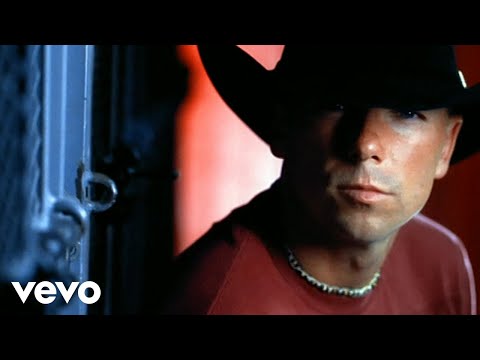


→ More from the 2010s File
View all 2010s hits →



Keep digging