The 2010s File Feature
The Blacker The Berry
Kendrick Lamar and "The Blacker The Berry": History of a Defining Track (2015) "The Blacker The Berry" was released on February 9, 2015 , as the lead single …
01 The Story
Kendrick Lamar and "The Blacker The Berry": History of a Defining Track (2015)
"The Blacker The Berry" was released on February 9, 2015, as the lead single from Kendrick Lamar's third major-label studio album "To Pimp a Butterfly," which followed it on March 15, 2015, through Top Dawg Entertainment, Aftermath Entertainment, and Interscope Records. The song arrived during one of the most politically charged periods in recent American history, at a moment when protests and public debate over police violence against Black Americans had been intensifying since the killing of Michael Brown in Ferguson, Missouri, in August 2014, and the subsequent protests that had placed racial justice at the center of national conversation. The song's arrival in this context was not coincidental; Lamar was one of the most articulate hip-hop voices engaging these realities, and "The Blacker The Berry" was his most direct and confrontational treatment of them to date.
The track was produced by Boi-1da, whose production work spans a range of hip-hop's most critically acclaimed albums, alongside Terrace Martin, who also played a significant role in the broader musical architecture of "To Pimp a Butterfly." The production is one of the most striking on an album full of striking sonic choices: dense, dark, and rhythmically aggressive, it contrasts with the jazz-inflected, live-instrument approach that defines much of the rest of the record. Where other tracks on the album breathe and sprawl, "The Blacker The Berry" is taut and compressed, its production reflecting the anger and urgency of its lyrical content. The sonic construction reinforces the thematic argument rather than merely accompanying it.
"To Pimp a Butterfly" debuted at number one on the Billboard 200 with first-week sales and streams equivalent to 324,000 album units, which was a remarkable commercial performance for an album of such uncompromising artistic ambition. "The Blacker The Berry" had entered the Billboard Hot 100 in the days following its release as a standalone single before the album arrived, charting based on its digital download sales and early streaming activity. The track reached number four on the Hot Rap Songs chart and performed strongly on the Hot R&B/Hip-Hop Songs chart, demonstrating that its confrontational content did not prevent it from achieving mainstream commercial recognition.
The song generated immediate and intense critical discussion. Its extended meditation on anti-Black racism and the contradictions within Black American experience was read as both a political statement and an artistic provocation, and the critical response largely recognized it as one of the most ambitious pieces of hip-hop writing in years. Publications including Pitchfork, Rolling Stone, The New York Times, and The Guardian devoted significant space to analyzing the song's themes and its place within both Lamar's catalog and the broader cultural moment. Rolling Stone would later name "To Pimp a Butterfly" one of the greatest albums ever made, and "The Blacker The Berry" was consistently cited as one of its defining moments.
The song earned Lamar a Grammy Award for Best Rap Performance at the 58th Grammy Awards in February 2016, one of five Grammy Awards the album won that night. The broader album won Grammys including Best Rap Album, Best Rap Song for "Alright," Best Rap/Sung Collaboration, and Best Music Video, making it the most decorated album of the 2016 Grammy ceremony and cementing Lamar's position as the preeminent artist in hip-hop at that moment. "The Blacker The Berry," with its confrontational tone and political directness, was a significant part of the nomination campaign that produced this extraordinary Grammy performance.
The live performance of the song, including versions incorporated into Lamar's extended Grammys performance in 2016, helped bring the track to audiences who might not have encountered it through streaming or radio. That Grammy performance, which also featured "Alright" and drew on imagery from African tradition alongside contemporary Black American experience, became one of the most discussed award show moments of that year and amplified awareness of "The Blacker The Berry" significantly. The combination of television visibility and the song's inherent power as a piece of recorded music gave it cultural penetration well beyond the hip-hop audience.
Kendrick Lamar's position as the most critically esteemed rapper of his generation was substantially advanced by "To Pimp a Butterfly" and by "The Blacker The Berry" specifically. The song demonstrated that he was willing to follow his artistic vision into uncomfortable territory without softening his message for commercial palatability, and the commercial success that followed validated the strategy. The album would go on to be cited on countless best-of-decade lists and in critical retrospectives as one of the essential artistic statements of the 2010s, and "The Blacker The Berry" was central to that legacy as one of its most uncompromising and fully realized tracks.
02 Song Meaning
Contradiction, Identity, and the Burden of Blackness: The Meaning of "The Blacker The Berry"
"The Blacker The Berry" is among the most demanding and rewarding pieces of hip-hop writing in the contemporary catalog, a track that takes on the full complexity of Black identity in America with a lyrical thoroughness that refuses simplification. The song's central structure is built on a paradox: the narrator asserts pride in and defiance of his Blackness while simultaneously indicting himself for participating in a violence that destroys the very community he claims to love. This internal contradiction, between the political clarity of anti-racist consciousness and the reality of intraracial harm, is the most destabilizing aspect of the song and the one most frequently discussed in critical analysis. Lamar refuses to offer either easy affirmation or easy condemnation, insisting instead that the listener sit with the full discomfort of both truths simultaneously.
The song catalogues the systematic dehumanization and oppression of Black Americans with documentary precision, rehearsing a history of exploitation and violence that is rendered with controlled anger rather than lament. This is not a song of grief or mourning, though grief and loss inform it; it is a song of accusation directed outward at the structures and individuals that have perpetuated anti-Black racism throughout American history. The rhetorical force of the track comes partly from the relentlessness of this catalogue, the way each verse accumulates evidence of structural harm, building toward a final accounting that arrives as both a question and an indictment.
The song's title draws on the aphorism "the blacker the berry, the sweeter the juice," a phrase with complex cultural history that has been used both as an assertion of the beauty of dark skin and as a description of sexual desirability. Lamar takes the phrase and complicates it, using it to frame an examination of colorism, self-hatred, and the internalization of anti-Black racism within Black American culture. The word "blacker" becomes a measure of both pride and vulnerability, a mark of identity that the dominant culture has weaponized and that the song attempts to reclaim while simultaneously examining the psychological damage that such weaponization produces.
The song's concluding turn, where the narrator implicates himself in violence against his own community, is the most controversial and most discussed moment in the track. By acknowledging his own participation in intraracial harm, Lamar refuses the safety of pure victimhood and demands a more complex accounting of how oppression functions, not just as external force but as internalized behavior. This move was read by some critics as an instance of Black self-blame that risks being used to deflect accountability from systemic racism, and by others as an act of radical honesty that trusts the audience to hold both structural and individual responsibility simultaneously. The debate itself reflects the song's achievement: it generates the kind of genuine ethical engagement that very few popular music texts succeed in producing.
For Lamar's catalog, "The Blacker The Berry" represents the outer limit of his political explicitness, a track more directly confrontational than almost anything else he has released before or since. Its placement on "To Pimp a Butterfly," followed immediately by the more expansive, jazz-inflected material of the album's later tracks, gives it the function of a pressure release and a defining statement, the point at which the album's political anger is expressed most fully and most nakedly before the record's wider emotional range asserts itself. The song's enduring significance is that it remains one of the most honest and formally sophisticated engagements with anti-Black racism in the history of recorded popular music, a track that demands more of its listeners than passive appreciation and delivers more in return than almost any comparable piece of work.
→ More from Kendrick Lamar
View all Kendrick Lamar hits →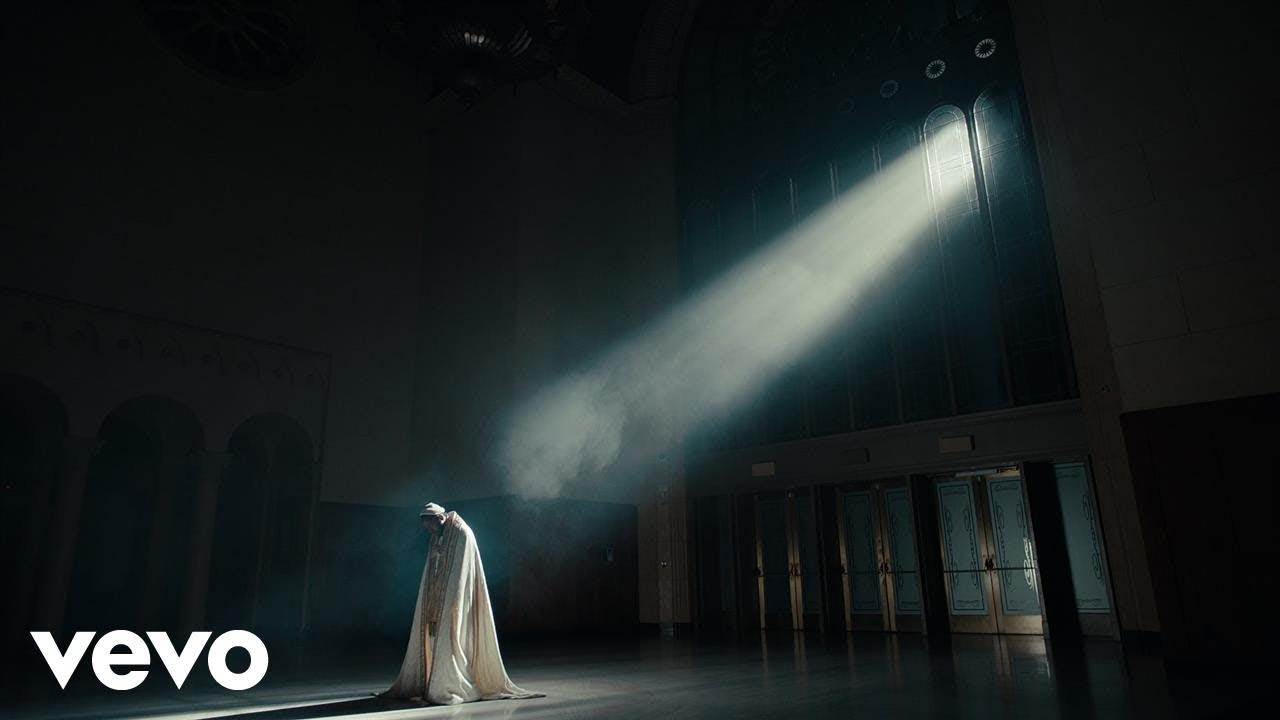


→ More from the 2010s File
View all 2010s hits →



Keep digging