The 2010s File Feature
Catch My Breath
Catch My Breath — Kelly Clarkson A Decade in the Making Ten years is a long time in pop music. Ten years is enough time for an artist to be declared a phenom…
01 The Story
Catch My Breath — Kelly Clarkson
A Decade in the Making
Ten years is a long time in pop music. Ten years is enough time for an artist to be declared a phenomenon, then a has-been, then a survivor, then an institution. When Kelly Clarkson released Catch My Breath in November 2012 to mark the tenth anniversary of her debut single, all of those chapters were already written, and the song confronted them directly. It was not a nostalgia piece or a victory lap in the conventional sense; it was a reckoning with what a decade of sustained public life actually feels like from the inside.
Clarkson had won the first season of American Idol in 2002, a moment of television spectacle that launched her into a career trajectory most of her fellow contestants could only imagine. Her debut single, A Moment Like This, broke sales records. Breakaway in 2004 crossed her over from pop product to genuine artist in the eyes of critics who had been skeptical. Stronger (What Doesn't Kill You) in 2012 put her back at the top of the charts with a defiant anthem that felt like a statement of career resilience. Catch My Breath arrived in the same year, layering introspection onto that resilience.
The Creation of the Track
The song was written by Clarkson alongside Eric Olson and Jason Halbert, collaborators who understood her voice and artistic sensibility from years of working together. Halbert in particular had served as her musical director and knew how to build a sonic architecture that served Clarkson's considerable vocal power without overwhelming it. The production aims for a particular kind of open, anthemic space, building from a restrained verse into a chorus with the breadth of a stadium.
The lyrical premise involves looking back at years of intense pressure and external expectation, the feeling of having lived one's formative adult years in public, and choosing to keep moving forward on one's own terms rather than the terms others have defined. It is personal without being confessional in the tabloid sense; the emotions are specific enough to feel genuine and general enough to resonate with anyone who has spent years performing under scrutiny.
The Chart Run and Its Significance
Catch My Breath debuted at number 54 on the Billboard Hot 100 on November 3, 2012, representing strong out-of-the-gate interest from a fan base eager to hear Clarkson's own reflection on her anniversary. The track's chart journey was extended and gradual, spending 24 weeks on the Hot 100 in total. It dipped and climbed as radio play consolidated and streaming added consistent daily numbers. Its peak of number 19 arrived on February 16, 2013, several months after its initial release, testament to the slow-burning connection the song made with listeners who found its themes of perseverance and self-reclamation arriving at the right moment in their own lives.
Twenty-four weeks on the chart was a meaningful achievement for what was essentially an anniversary single rather than the lead promotional track from a new album. It confirmed that Clarkson's connection with her audience had depth, that fans would return to a song over many months if the song rewarded that repeated attention.
Kelly Clarkson at Her Artistic Peak
By late 2012, Clarkson had established credentials that went well beyond her Idol origin story. Her three Grammy Awards, her consistent sales across multiple album cycles, and her increasingly assured creative control over her music had built a reputation as one of pop music's most reliable and capable artists. She was among the most vocally gifted performers of her generation, a fact that neither the competitive reality television format that launched her nor the sometimes disposable pop context of her early career had obscured.
Catch My Breath benefited from the credibility she had accumulated. A lesser artist releasing a self-reflective anniversary track risks coming across as either self-congratulatory or maudlin; Clarkson had enough genuine achievement behind her that the reflection felt earned.
The Enduring Quality of Honest Anthems
Pop music at its best translates private feelings into public anthems without losing the private core that makes the feeling authentic. Catch My Breath manages that balance. Its themes of exhaustion, perseverance, and the desire to live on one's own terms do not require knowledge of Clarkson's specific biography to land; they are recognizable to anyone who has spent time meeting other people's expectations at the expense of their own. Press play and let the chorus open up.
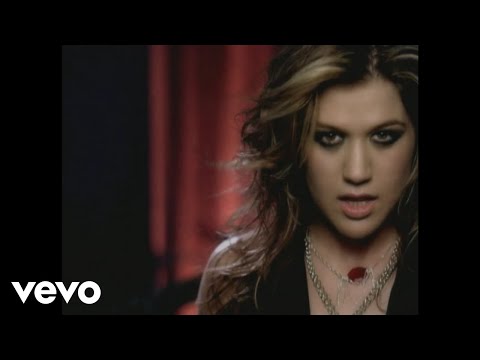
"Catch My Breath" — Kelly Clarkson's singular moment on the 2010s charts.
02 Song Meaning
Catch My Breath — The Meaning Behind Kelly Clarkson's Anniversary Anthem
Taking Stock After a Decade
There is a particular kind of emotional reckoning that arrives at round-number anniversaries. Ten years of anything significant, especially ten years lived largely in public, generates a retrospective pressure, the need to assess where you started, where you arrived, and whether the journey was worth what it cost. Catch My Breath captures that moment with unusual precision. The song doesn't celebrate a decade of success so much as acknowledge the weight of a decade of sustained effort, the exhaustion underneath the achievement, and the decision to keep choosing one's own path regardless.
The metaphor embedded in the title is telling. Catching one's breath implies that something has been running fast, pushing hard, perhaps faster than was comfortable. For Clarkson, the ten years between 2002 and 2012 included enormous commercial success, critical validation, creative battles with her label over artistic direction, personal life played out under tabloid scrutiny, and the ongoing challenge of maintaining artistic identity in an industry that persistently tried to define her from the outside. The breath she needed to catch was real.
The Cost of Public Life
The lyrics describe a progression from living under the weight of other people's expectations toward a more self-directed existence. The imagery involves doors opening, chains releasing, and the experience of breathing freely after a period of constriction. This is not the triumphalist language of someone who conquered obstacles easily; it is the more nuanced language of someone who survived a long process and emerged changed, not unscathed.
Clarkson had fought publicly with her label, RCA Records, over creative control during the mid-2000s, a period that produced My December, an album she largely wrote and controlled but that was received with some commercial disappointment relative to the expectations her earlier success had created. The experience informed her understanding of the gap between the music industry's expectations and her own artistic instincts. Catch My Breath speaks to the experience of navigating that gap over many years.
Resonance With a Wide Audience
One of the most effective things pop songwriting can do is translate a specific, unusual experience into an emotional truth that connects with people whose circumstances are entirely different. Clarkson's specific experience of public life and industry pressure is not one that most listeners share. But the underlying emotional content, the exhaustion of meeting external demands, the longing to act from one's own center, the choice to keep moving forward despite everything, is widely recognizable. The song's 24-week run on the Hot 100 and its peak of number 19 in February 2013 confirmed that audiences were finding in it something that resonated beyond Clarkson's personal biography.
In the context of 2012 pop, where much of the chart content was driven by dance-floor energy and maximalist production, Catch My Breath stood somewhat apart. It asked for emotional engagement rather than physical response, and the listeners who gave it that engagement returned repeatedly over the months of its chart life.
Self-Determination as a Through Line
Looking across Clarkson's catalog, a consistent theme emerges of self-determination and the refusal to be defined entirely by external circumstances. Breakaway, Behind These Hazel Eyes, Since U Been Gone, Stronger (What Doesn't Kill You): each of these songs, whatever their specific subject matter, carries the same fundamental assertion of agency and survival. Catch My Breath extends that theme into more reflective territory, trading defiance for something quieter and ultimately more mature: the recognition that choosing to continue on one's own terms is itself a form of strength, even when it doesn't announce itself loudly.
For fans who had followed Clarkson since 2002, the song offered the particular satisfaction of watching an artist they believed in actually become what they hoped she would. The decade it commemorated was genuinely impressive, and the artist reflecting on it was doing so with clarity and earned honesty.
"Catch My Breath" — Kelly Clarkson's singular moment on the 2010s charts.
→ More from Kelly Clarkson
View all Kelly Clarkson hits →



→ More from the 2010s File
View all 2010s hits →



Keep digging