The 2010s File Feature
John Cougar, John Deere, John 3:16
John Cougar, John Deere, John 3:16: Keith Urban's Triple-Reference Single Keith Urban released "John Cougar, John Deere, John 3:16" as a single from his albu…
01 The Story
John Cougar, John Deere, John 3:16: Keith Urban's Triple-Reference Single
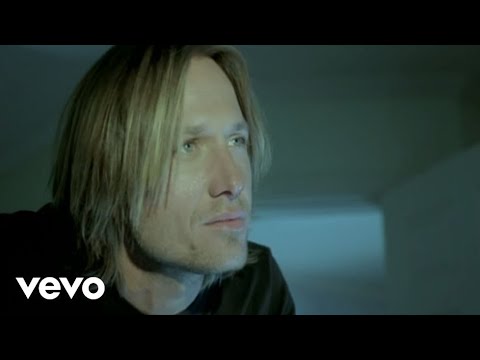
Keith Urban released "John Cougar, John Deere, John 3:16" as a single from his album Ripcord, and the track became one of the more talked-about entries in his discography during the mid-2010s. Urban, a New Zealand-born Australian artist who had built one of the most consistent careers in mainstream country music since his commercial breakthrough in the early 2000s, was by this point a veteran hitmaker known for blending classic country sensibilities with rock production and pop accessibility. "John Cougar, John Deere, John 3:16" represented a specific strain of nostalgic heartland imagery that had broad appeal among country audiences.
The song was written by Shane McAnally, Ross Copperman, and Josh Osborne, a trio of songwriters who were among the most commercially successful in Nashville during this era. McAnally in particular had developed a reputation for writing songs that captured the specific texture of rural American experience with both affection and precision. The three Johns referenced in the title function as a kind of shorthand for a particular cultural identity: John Mellencamp's heartland rock, John Deere's association with agricultural life and working-class pride, and the biblical verse John 3:16, one of the most widely recognized passages in Christian scripture and a staple of American evangelical culture.
The production, helmed in part by Urban himself alongside collaborators, had a warm, open sound that suited the song's themes of small-town summers and youthful romance. Electric guitar played a central role, as it did throughout much of Urban's catalogue, and the arrangement built from a relatively spare verse to a chorus with enough melodic momentum to work well on country radio. Urban's vocal performance was controlled and warm, emphasizing the affectionate quality of the lyrical content rather than pushing toward the emotional extremes that some of the era's country productions favored.
The single was released in 2015 and performed strongly on the country charts. It reached number two on the Billboard Hot Country Songs chart and climbed to the top of the Billboard Country Airplay chart, giving Urban yet another number-one airplay single in a career that had produced many. The song spent a substantial number of weeks on the charts, demonstrating the kind of sustained audience engagement that distinguishes genuine hits from one-week wonders driven by initial promotional push.
Ripcord itself, released in 2016 on Capitol Nashville, was produced with a deliberately expansive sonic palette, incorporating some production choices that drew on pop and electronic influences. Urban had been open in interviews about his desire to keep his sound contemporary while maintaining emotional authenticity, and "John Cougar, John Deere, John 3:16" sat comfortably within that framework as the kind of earnest, hook-forward track that anchored the album's appeal to core country listeners even as other cuts pushed further afield.
The song accumulated significant streaming numbers as digital consumption continued to reshape how country audiences engaged with music during this period. Radio remained crucial to its success, as country airplay charts still functioned as a primary discovery mechanism for mainstream country listeners, and the song's melodic accessibility made it well suited to frequent rotation. Program directors responded to strong listener request numbers, which helped maintain its airplay momentum over an extended period.
Critics generally received the song warmly, noting that McAnally, Copperman, and Osborne had found a fresh angle on the familiar nostalgic country framework by choosing three iconic "Johns" as organizing devices. The structural conceit gave the song a memorable hook that worked simultaneously as a list, a tone poem, and a thesis about a particular kind of American upbringing. For Urban, who had spent his career navigating the tension between his non-American origins and his obvious mastery of American country idioms, the song represented a natural fit, a piece of material that allowed him to inhabit a deeply familiar cultural register with evident ease and conviction.
The song has remained a well-regarded entry in Urban's substantial catalogue of singles, and it is frequently included in retrospective assessments of his mid-career peak period. Its commercial and critical performance confirmed the continued vitality of the nostalgic country tradition even as the genre's mainstream continued to evolve toward new sounds and themes during the latter half of the decade.
02 Song Meaning
Three Icons as Cultural Shorthand in "John Cougar, John Deere, John 3:16"
"John Cougar, John Deere, John 3:16" is an exercise in cultural compression. The entire emotional and social world the song wants to evoke is encoded in three names, each of which carries a dense freight of associations for a specific segment of American experience. The song trusts its audience to decode those references immediately, and that trust is itself part of the affectionate tone that runs throughout.
John Mellencamp, who recorded under the name John Cougar early in his career before reverting to his birth surname, represents a particular strand of American rock: working-class, Midwestern, proud of its roots and suspicious of pretension. His music from the late 1970s through the 1980s functioned as a soundtrack for small-town life in a way that few artists before or since have matched. Invoking "John Cougar" in a country song is an act of cross-genre solidarity, a nod to a set of values and aesthetics that transcend the boundaries between rock and country when those values are rooted in the same geographic and social soil.
John Deere requires almost no explanation for the intended audience. The green-and-yellow equipment manufacturer is so thoroughly embedded in the iconography of American agricultural life that its name functions as a metonym for the entire culture of farming, land ownership, physical labor, and rural identity. A John Deere reference in a country song is not really about tractors. It is about a way of life organized around land and seasons, passed down through families, and understood as the foundation of a particular self-image. The brand name carries all of that freight in two words.
John 3:16 completes the triangle by introducing the spiritual dimension that has always been inseparable from the rural American life the song celebrates. The verse, which summarizes the central promise of Christian faith in a single sentence, is so widely known that it appears on signs at sporting events, is quoted in everyday speech, and functions as a kind of shorthand for sincere, uncomplicated religious belief. Its presence in the song is not ironic or critical. It sits alongside Mellencamp and John Deere as an equal pillar of the world being evoked, suggesting that music, work, and faith are the three coordinates by which this particular life is navigated.
The song's lyrical content frames all three references through the lens of summer romance and youth, using the nostalgic mode that country music has long favored as a vehicle for emotional honesty. The narrator revisits a formative relationship, and the three Johns serve as the environmental context that made that experience what it was. The listener understands that to have grown up in a world defined by these three things is to have been shaped in a specific way, and that the romance being remembered was inseparable from that shaping.
For Keith Urban's catalogue, the song represents his skill at inhabiting material that speaks to an audience experience he came to from the outside. Urban grew up in Australia and New Zealand, not in the American heartland, but his career has been defined by his ability to translate the emotional content of country music authentically. "John Cougar, John Deere, John 3:16" works because Urban sings it with evident warmth rather than performance, suggesting that the values it encodes have become genuinely his own through years of immersion in the culture and community of Nashville and its audience. The song's meaning is ultimately about belonging, and Urban's delivery makes that meaning legible regardless of his biography.
→ More from Keith Urban
View all Keith Urban hits →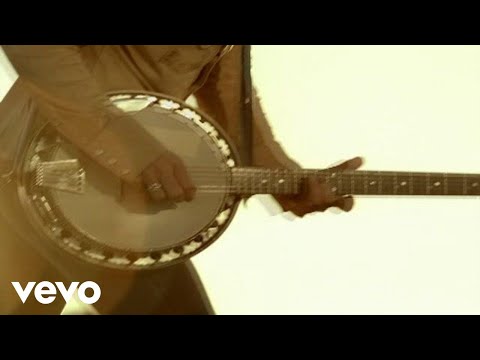



→ More from the 2010s File
View all 2010s hits →



Keep digging