The 2010s File Feature
Sorry
"Sorry" — Justin Bieber's Return to the Top The Comeback No One Saw Coming Picture the pop landscape in the fall of 2015. Streaming had fundamentally reshape…
01 The Story
"Sorry" — Justin Bieber's Return to the Top
The Comeback No One Saw Coming
Picture the pop landscape in the fall of 2015. Streaming had fundamentally reshaped how music traveled from artist to listener, and the old model of careful album rollouts had given way to something faster, more relentless, and at times more brutal. Justin Bieber, who had been a dominant force in pop since the age of fifteen, had spent the early part of the decade navigating the particular chaos that accompanies child stardom at that scale. The headlines had not always been kind. By 2015, the question was not whether Bieber could make a good song, but whether the public was willing to let him back in.
The Making of "Sorry"
Sorry was released in October 2015 as the second single from Bieber's fourth studio album Purpose. The track was written and produced by Skrillex and Blood, the production duo who had contributed significantly to the sonic architecture of the Purpose era. The song's production is built on a dancehall-inflected framework with a buoyant, syncopated rhythm that gave it an irresistible physical quality. It was pop music designed to move you before you had time to think about whether you wanted to. The production aesthetic leaned into tropical house and dancehall influences that were cresting in 2015, giving the track a freshness that felt current without being purely trendy.
An Unstoppable Chart Climb
The song debuted at number 2 on the Billboard Hot 100 on November 14, 2015, a remarkable entry that signaled the scale of public anticipation. Over the following weeks, it moved around the upper reaches of the chart before completing its full ascent. It reached number 1 on January 23, 2016, fulfilling what its debut position had promised. The run across the chart was extraordinary: 42 weeks total on the Hot 100 made it one of the defining songs of the entire year, not just the season. Few tracks in the streaming era manage to sustain that kind of chart presence, and Sorry did it by genuinely connecting with an audience that kept returning to it.
The "Purpose" Era and Its Cultural Weight
The album Purpose represented something larger for Bieber's career than any individual single could fully capture. It was, by critical and commercial consensus, his most accomplished work to that point: more sonically adventurous, more emotionally honest, and more willing to engage with the complicated feelings that come with public failure and private growth. Sorry sat at the center of that project, thematically and commercially. Its message of accountability, its willingness to acknowledge wrongdoing without excessive self-flagellation, aligned with the narrative the album was building. Bieber and his collaborators understood that audiences in 2015 were sophisticated enough to recognize sincerity from calculation, and the Purpose era mostly threaded that needle with skill.
Music Video and Cultural Footprint
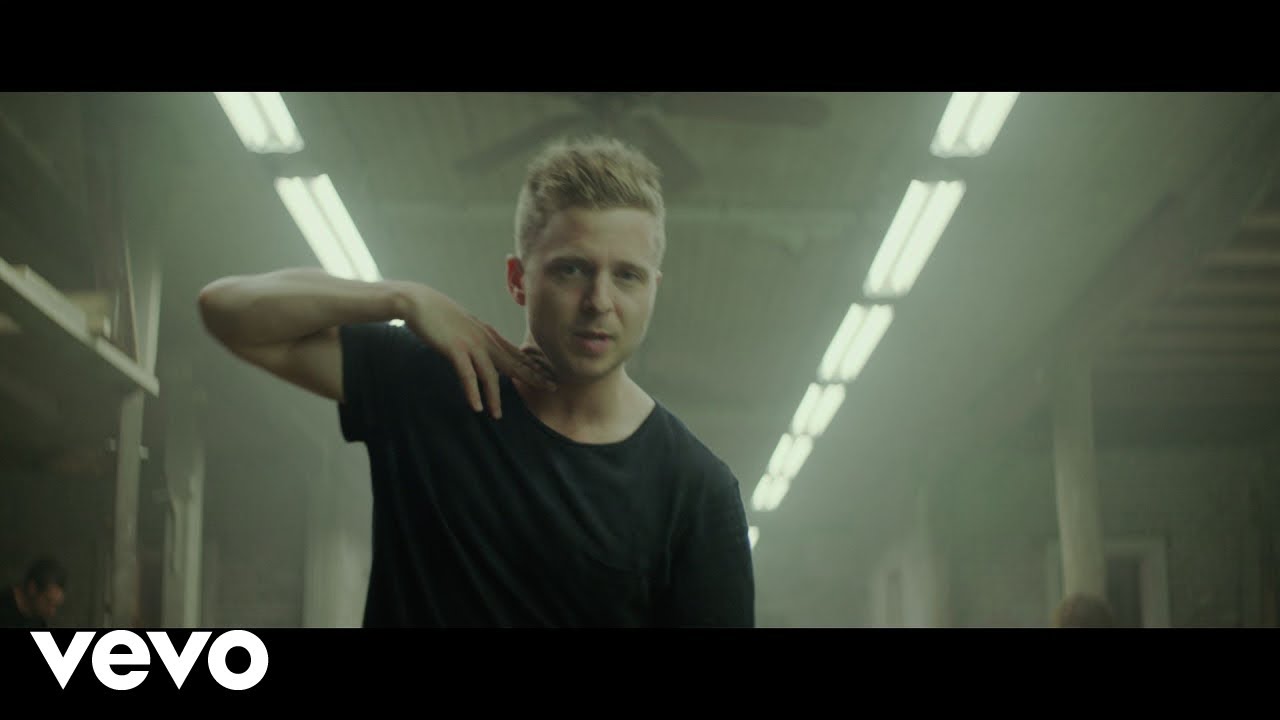
The official music video for Sorry featured choreography that became a viral phenomenon in its own right, separate from the song's radio and streaming success. The decision to center the visual component on dancers rather than Bieber himself was a production choice that proved visionary. It allowed the song's physical energy to speak through movement rather than celebrity image, broadening its appeal and giving it a life on social media that extended its reach considerably. The visual treatment aligned perfectly with the song's dancehall-adjacent sound, creating a coherent aesthetic package that the internet amplified across countless platforms.
The track endures because its combination of production excellence and emotional accessibility is genuinely rare. The song's presence in film soundtracks, television shows, and commercial campaigns throughout the years following its release reflects how cleanly it cut through the noise of 2015 pop and lodged itself in public memory. Press play and feel why it held the top position through the winter of 2016.
"Sorry" — Justin Bieber's singular moment on the 2010s charts.
02 Song Meaning
"Sorry" — Accountability, Pop Structure, and the Art of the Apology
The Grammar of Regret
Few emotional territories are more treacherous in pop music than the apology. Get it wrong and it sounds self-serving, an exercise in reputation management dressed up as vulnerability. Get it right, and it can reach something genuinely universal: the experience of recognizing your own failures and finding the courage to name them. Sorry by Justin Bieber managed to land in the second category for much of its massive audience. The song's emotional argument is compressed and direct: the narrator has made mistakes, he knows it, he is asking for another chance while acknowledging he may not deserve one. That kind of clarity, delivered over production that insists on joy rather than misery, is a difficult balance to strike.
The Texture of Vulnerability in 2015 Pop
The mid-2010s saw a meaningful shift in what male pop stars were permitted to express. Vulnerability, once coded as weakness in the genre's commercial mainstream, had become valuable currency. Artists from One Direction to Drake had demonstrated that audiences responded to emotional honesty from male performers, and the success of that approach reshaped expectations across the landscape. Sorry arrived at the peak of that shift. Bieber's willingness to position himself as the person at fault, rather than as the wronged party or the stoic sufferer, aligned with what listeners were increasingly hungry for. The song modeled a form of emotional accountability that felt modern rather than retrograde.
Dancehall Rhythms and Global Resonance
The song's production drew heavily on dancehall and tropical house aesthetics, genres whose global reach extended far beyond their geographic origins. By grounding an apology in rhythmic frameworks associated with celebration and physical pleasure, the song created a tonal complexity that pure ballad treatment could never have achieved. The contrast between the song's joyful sonic surface and its apologetic lyrical content gave it a distinctive emotional texture. Listeners could process guilt and dance simultaneously, which perhaps accurately reflects how apologies actually function in real relationships: as something both painful and hopeful, laden with feeling but aiming toward resolution.
Why the Audience Accepted It
Part of the song's success derived from the cultural context of Bieber's own public story. By 2015, his personal narrative had been well-documented and widely discussed. The apology in Sorry arrived at a moment when the audience was prepared to consider whether redemption was possible, and the song made a quietly persuasive case that it might be. The track resonated not just as a love song but as a broader meditation on growth and the possibility of doing better. That reading gave it depth beyond the romantic scenario the lyrics described, connecting it to something more universally human.
Lasting Emotional Utility
Songs that endure beyond their chart cycle tend to offer something listeners can return to across different life circumstances. Sorry achieved that through its combination of a singable, emotionally resonant hook and a thematic argument simple enough to apply to many different situations. The track became a soundtrack for personal moments of reckoning far removed from the celebrity context in which it was created. That is the test a pop song must pass to matter beyond its moment: whether ordinary people find in it a language for their own experience. By that measure, Sorry passed with unusual clarity.
"Sorry" — Justin Bieber's singular moment on the 2010s charts.
→ More from Justin Bieber
View all Justin Bieber hits →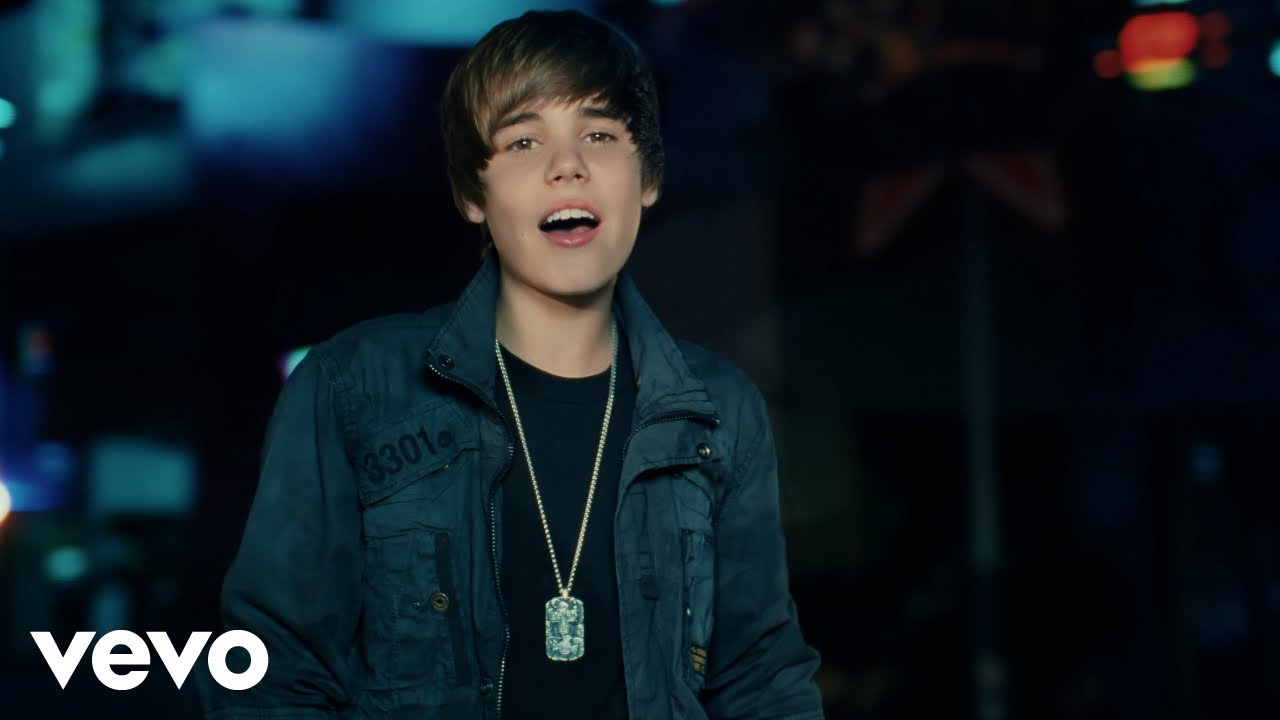



→ More from the 2010s File
View all 2010s hits →


Keep digging