The 2010s File Feature
All Girls Are The Same
All Girls Are The Same — Juice WRLD (2018) Jarad Higgins, performing as Juice WRLD, arrived on the national radar with a force that few debut acts could clai…
01 The Story
All Girls Are The Same — Juice WRLD (2018)
Jarad Higgins, performing as Juice WRLD, arrived on the national radar with a force that few debut acts could claim. "All Girls Are The Same" was released on February 23, 2018, through Grade A Productions and Interscope Records, and it quickly established the Chicago-born teenager as one of the defining voices of the emo-rap and SoundCloud rap movements. The track was not merely a song — it was a statement of arrival, demonstrating Juice WRLD's capacity to blend melodic singing with confessional rap in a way that felt both raw and compulsively listenable.
The production on "All Girls Are The Same" was handled by Nick Mira and Sidepce, two producers who understood how to construct sparse, emotionally resonant beats that left space for a vocalist to bleed across the canvas. The instrumental centers on a looping piano figure and muted percussion, giving Higgins room to pivot between singing and rapping without ever losing the thread of vulnerability that runs through the entire track. The beat is deliberately minimal, placing the emotional weight squarely on the performance itself.
Juice WRLD had been building momentum on SoundCloud through 2017, and "All Girls Are The Same" represented his first serious push toward mainstream recognition. The song had initially circulated in rough form on the platform before receiving its official release, a pattern common to artists in the SoundCloud ecosystem who treated the platform as both a testing ground and a launching pad. By the time the official version dropped, there was already a committed audience ready to push the track up streaming charts.
The song debuted and eventually peaked at number 23 on the Billboard Hot 100, an extraordinary achievement for a teenage artist with no prior major-label single to his name. Its chart performance was driven almost entirely by streaming, reflecting the broader shift in how the music industry was measuring commercial success during this period. Audio streams had become a primary factor in Hot 100 calculations, and Juice WRLD's fanbase, concentrated on digital platforms, translated directly into chart points.
The timing of the release placed it squarely within a moment when the music industry was wrestling with how to categorize a new wave of artists who defied traditional genre boundaries. Juice WRLD was part of a cohort that included Lil Peep, XXXTentacion, and Lil Uzi Vert, all of whom drew heavily from both hip-hop and alternative rock traditions, blending them into something that appealed to a generation of listeners who had grown up consuming music across a collapsed genre landscape. "All Girls Are The Same" was a flagship example of this approach, with its confessional subject matter and guitar-adjacent sonic palette.
The success of the track accelerated conversations between Juice WRLD and major labels, ultimately contributing to his signing with Interscope. His debut mixtape "Goodbye & Good Riddance," released in May 2018, contained "All Girls Are The Same" as one of its centerpieces, and the project debuted at number six on the Billboard 200. The mixtape solidified what the single had suggested: that Juice WRLD was not a novelty act but a genuine commercial and artistic force.
Radio programmers were initially cautious about the track's format placement, given its genre-blending character, but streaming numbers made the case for broader attention. The song's reach extended well beyond core hip-hop audiences, finding traction on pop-leaning playlists and alternative streaming channels. This crossover appeal would become a signature of Juice WRLD's career, allowing him to move fluidly between communities that typically remained separate.
Critically, "All Girls Are The Same" was received as evidence of a genuine songwriting talent rather than a production-driven artifact. Reviewers noted that Higgins had an uncommon ability to articulate emotional pain in language that felt specific yet universally relatable, a skill that separates durable pop songwriters from their contemporaries. The song's themes of romantic betrayal and emotional exhaustion resonated with listeners navigating similar experiences, and its comment sections across platforms became spaces where fans openly connected over shared feelings of heartbreak.
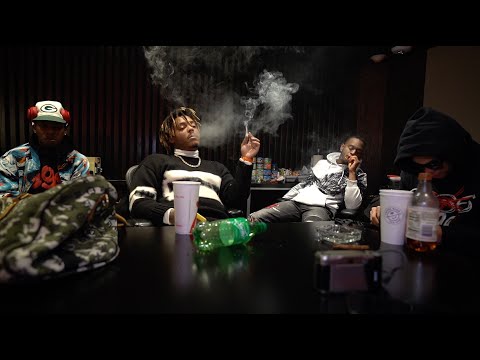
The music video, directed by Cole Bennett of Lyrical Lemonade, added a visual dimension that reinforced the song's emotional palette. Bennett's aesthetic, characterized by saturated colors and dynamic editing, gave Juice WRLD a visual identity that matched the intensity of his sonic one. The video accumulated tens of millions of views within weeks of its release, further amplifying the song's reach and cementing the partnership between Higgins and Bennett that would define much of his visual output going forward.
The cultural footprint of "All Girls Are The Same" grew considerably after Juice WRLD's death in December 2019, when he passed away at the age of twenty-one. The song took on a different emotional weight in the context of his loss, becoming one of the primary entry points through which new listeners discovered his catalog. Streaming numbers for the track surged in the weeks following his death, and it returned to chart prominence alongside other key titles from his discography. The song now stands as one of the essential documents of its moment in popular music history.
02 Song Meaning
Meaning and Themes in "All Girls Are The Same"
At its emotional core, "All Girls Are The Same" is a song about the particular kind of exhaustion that accumulates after repeated romantic disappointment. Juice WRLD does not approach the subject with anger or aggression, which might have been the more conventional response within hip-hop. Instead, he inhabits a register of defeated resignation, presenting someone who has been hurt enough times to expect nothing different from the next relationship. The title itself is a generalization born of pain rather than genuine misogyny, an expression of emotional fatigue masquerading as a philosophical conclusion.
The song operates in the tradition of confessional songwriting that runs through both alternative rock and soul music, genres that Juice WRLD absorbed alongside hip-hop during his formative years. There is something of the emo tradition here, not in any superficial stylistic sense, but in the willingness to be openly wounded, to present emotional vulnerability as the primary subject matter without deflection or irony. This directness was unusual enough in mainstream hip-hop in 2018 to feel genuinely novel, even though the feelings themselves were ancient.
The song's narrator describes a pattern of entering relationships with hope and leaving them with accumulated damage, each disappointment layering onto the previous ones until the emotional response to new intimacy is preemptive grief rather than excitement. This psychological portrait — of someone simultaneously craving connection and expecting its failure — spoke directly to a generation of young listeners navigating their first serious romantic experiences in the social media era, where relationships are formed and dissolved with unusual speed and visibility.
Juice WRLD's vocal performance amplifies the thematic content considerably. He moves between singing and rapping with a fluidity that reinforces the song's emotional instability, the voice rising and falling in ways that feel less like stylistic choice than honest affect. There is a sense that the song is being worked through in real time, that the performance captures genuine feeling rather than constructed persona. This impression of authenticity, whether or not it was calculated, was central to why audiences responded to the track so intensely.
The melodic construction of the song mirrors its emotional argument: the recurring piano figure loops in a way that suggests cyclical thinking, the kind of mental return to old wounds that characterizes genuine heartbreak. The production does not resolve or provide catharsis. It simply continues, which is an honest representation of how unprocessed emotional pain actually functions.
In the context of Juice WRLD's broader catalog, "All Girls Are The Same" established the thematic preoccupations that would define his work: romantic pain, substance use as a coping mechanism, and the difficulty of trusting others when trust has been repeatedly violated. These themes appear across his debut mixtape and his subsequent albums, suggesting that they reflected genuine personal experience rather than adopted artistic persona. The consistency of his emotional subject matter gave his catalog a coherence that made individual songs feel like chapters in a longer ongoing narrative.
The song also contributed to a broader cultural conversation about emotional honesty among young men, a demographic that popular music has traditionally encouraged toward expressions of toughness rather than vulnerability. Juice WRLD's willingness to be openly hurt, to build an entire career around the public expression of emotional pain, helped create space for other artists and for listeners themselves to engage with their own feelings more honestly. In this sense, the song's meaning extends beyond its immediate subject matter into questions about how masculinity is performed and expressed in contemporary popular culture.
The track remains one of the clearest windows into what made Juice WRLD an artist of genuine consequence rather than a moment-specific phenomenon, documenting both his exceptional melodic instinct and his commitment to emotional truth as the foundation of his creative work.
→ More from Juice WRLD
View all Juice WRLD hits →



→ More from the 2010s File
View all 2010s hits →


Keep digging