The 2010s File Feature
Wildfire
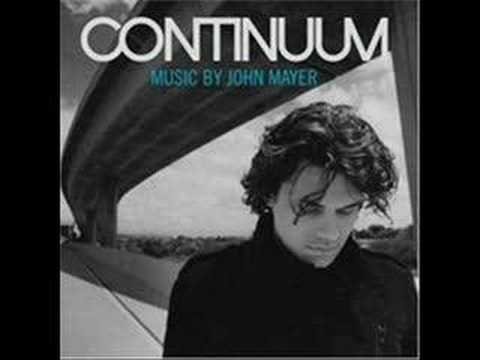
"Wildfire" — John Mayer John Mayer in His Blues-Leaning Phase The summer of 2013 found John Mayer in a particular and carefully cultivated artistic posture. …
01 The Story
"Wildfire" — John Mayer
John Mayer in His Blues-Leaning Phase
The summer of 2013 found John Mayer in a particular and carefully cultivated artistic posture. After years of being one of pop radio's most reliable hit-makers, the Connecticut-raised guitarist and singer-songwriter had been navigating a deliberate repositioning toward the blues and classic rock traditions that had shaped his musical identity long before fame arrived. His 2012 album Born and Raised had signaled this pivot, trading the radio-friendly confessional pop of his earlier work for something rootsier, more spacious, more indebted to the Laurel Canyon folk-rock and Southern blues that he had always cited as primary influences.
"Wildfire" arrived in this context, appearing on Paradise Valley, the 2013 album that continued the sonic and emotional journey begun on Born and Raised. Mayer had been working through a period of personal and vocal difficulty; he had battled granuloma of the vocal cord, a condition that had temporarily threatened his ability to perform and record. The vulnerability those experiences introduced into his work gave Paradise Valley a quieter, more introspective character than his earlier material.
The Song's Sonic World
Within that album's acoustic and blues-inflected landscape, "Wildfire" carries a warmth and ease that reflected Mayer's renewed comfort at the guitar. The production leans on organic instrumentation, prioritizing texture and space over the polished studio sheen that had characterized some of his earlier pop productions. The guitar work, always Mayer's most compelling artistic statement, takes center stage in ways that his radio singles had not always permitted.
The song's title evokes natural, uncontrolled spread, something moving through a landscape faster than you can stop it. In emotional terms, that metaphor maps onto the experience of falling for someone intensely and completely, a subject Mayer had returned to throughout his career with varying degrees of subtlety and insight.
Chart Performance and Context
"Wildfire" debuted on the Billboard Hot 100 on August 3, 2013, entering at number 91. It reappeared at number 98 on August 31st, then climbed to its peak position of number 85 on September 7, 2013, spending three weeks on the chart in total. The trajectory, modest but genuine, reflected a fanbase that had followed Mayer through his stylistic evolution and continued to support material that was further from commercial radio's center of gravity than his earlier hits.
By 2013, the Hot 100 was increasingly dominated by electronic dance music and hip-hop, with the softer, guitar-centric folk-pop that Mayer was producing occupying a smaller commercial footprint than it had a decade earlier. His chart presence at all during this period was a function of devoted core listeners rather than algorithmic radio ubiquity. The track gathered approximately 6.9 million YouTube views, a figure suggesting sustained streaming attention from fans who lived inside his catalog.
Critical Reception and Place Within Paradise Valley
Paradise Valley was generally well received by critics who appreciated Mayer's commitment to artistic growth even as they sometimes noted that the material occasionally settled into pleasant rather than startling territory. "Wildfire" sits comfortably within that assessment. It demonstrates his considerable melodic gifts and guitar facility without quite reaching the heights of his most powerful work. It is an honest record by a genuine craftsman, and in the landscape of 2013's pop landscape, that honesty stood out as its own form of distinction.
A Quiet Track in a Loud Year
The broader music landscape of summer 2013 was dominated by big, declarative sounds: Robin Thicke's controversial "Blurred Lines," Daft Punk's disco-inflected comeback, Macklemore's social commentary rap. Against that backdrop, a quiet guitar-focused ballad from John Mayer was swimming against the current, and it swam there deliberately. Cue it up and hear what it sounds like when one of rock's finest guitarists decides to slow everything down and let the music breathe.
"Wildfire" — John Mayer's singular moment on the 2010s charts.
02 Song Meaning
"Wildfire" — Desire, Surrender, and the Organic Turn in John Mayer's Work
The Metaphor of Uncontrolled Spread
A wildfire moves through landscape without asking permission. It consumes, transforms, and remakes everything it touches, and no human effort can fully contain it once it has taken hold. As a metaphor for romantic or emotional intensity, it has deep roots in love song tradition, but John Mayer uses it with specific care in this 2013 track. The song describes a feeling that arrives with the inevitability and force of a natural event, something that overwhelms the rational defenses a person might construct against genuine vulnerability.
For Mayer, this theme was not new terrain; his entire career had involved excavating the emotional landscape of attraction, longing, and the complicated aftermath of love. What differs here is the tone. Earlier in his career, his romantic material sometimes carried an edge of calculation or verbal cleverness. By 2013, the approach had grown quieter and more accepting, less interested in wit and more interested in honest feeling.
Vulnerability After Health Crisis
The personal context of Mayer's vocal health struggles in the years before Paradise Valley added layers to the album's emotional character that carry into "Wildfire." Having faced the real possibility of losing his singing voice, he approached his craft with a renewed appreciation that expressed itself in the music's unhurried patience. The song carries the quality of someone who understands that nothing can be taken for granted, that what feels permanent is actually fragile, and that accepting that fragility is its own form of wisdom.
That awareness gives "Wildfire" a particular tenderness. The intensity the title suggests is balanced by a gentleness in the delivery and arrangement that keeps the emotion from tipping into melodrama.
The Blues Influence and Emotional Directness
Mayer's immersion in blues tradition during this period of his career brought with it an emotional directness that blues music has always demanded. The blues does not permit elaborate concealment; it speaks plainly about loss, desire, pain, and joy. "Wildfire" benefits from that influence in its straightforwardness. There is no baroque metaphorical architecture here, no cleverness for its own sake. The song says what it means and trusts the listener to receive it.
That trust is itself a meaningful artistic choice. Some of Mayer's earlier work had been criticized for what seemed like emotional irony or performative sensitivity. "Wildfire" is sincere in a way that disarms that critique entirely.
Resonance With Listeners Seeking Emotional Space
In the hyperactive media environment of 2013, a song that moved slowly and spoke quietly occupied a specific psychological niche for listeners. There is real value in music that does not demand immediate emotional engagement but instead creates space for reflection and feeling to arrive on their own terms. "Wildfire" understood that value and delivered it with craft and care. Listeners who returned to it repeatedly on streaming platforms were finding in it something that the dominant sounds of that year did not provide: permission to slow down and feel something without spectacle.
→ More from John Mayer
View all John Mayer hits →



→ More from the 2010s File
View all 2010s hits →



Keep digging