The 2010s File Feature
Get Ugly
Jason Derulo's "Get Ugly": Chart History and Commercial Journey "Get Ugly" by Jason Derulo arrived in late 2015 as the lead single from his fourth studio alb…
01 The Story
Jason Derulo's "Get Ugly": Chart History and Commercial Journey
"Get Ugly" by Jason Derulo arrived in late 2015 as the lead single from his fourth studio album, Everything Is 4 deluxe edition, positioning itself squarely in the tradition of high-energy dance floor anthems that Derulo had perfected over the preceding half-decade. The track's chart performance on the Billboard Hot 100, combined with its enormous streaming numbers, cemented it as one of the defining pop-crossover moments of early 2016.
Jason Derulo: Artist Context
Born Jason Joel Desrouleaux on September 21, 1989, in Miramar, Florida, Jason Derulo first broke through with his 2009 debut single "Whatcha Say," which reached number one on the Hot 100 and established him as a significant force in pop-R&B. Over the following years, he built an impressive string of hits including "In My Head," "Don't Wanna Go Home," "Talk Dirty" featuring 2 Chainz, "Wiggle" featuring Snoop Dogg, and "Want to Want Me," each demonstrating his facility for marrying melodic pop instincts with hip-hop and R&B production aesthetics.
By the time "Get Ugly" arrived, Derulo was working with Warner Bros. Records and had established a reliable commercial formula: energetic production, a simple but effective hook, and a music video built around group dancing and physical performance that served both as entertainment and as an implicit invitation to audience participation. His collaborations with high-profile producers and guest artists had also become a commercial trademark, though "Get Ugly" was a solo release that demonstrated the strength of his individual commercial presence.
Production and Recording
"Get Ugly" was produced with a distinctly party-oriented aesthetic, incorporating elements of electronic dance music, trap percussion, and Caribbean-influenced rhythmic accents that reflected the cross-genre pollination that characterized mainstream pop production in 2015 and 2016. The production team created an instrumental that felt both contemporary and deliberately kinetic, designed to function on radio, in nightclubs, and in the streaming environments where young audiences were increasingly discovering music.
The song's central hook built around an inversion of traditional beauty standards, celebrating the uninhibited, unselfconscious dancing that people do when they feel free rather than when they are performing for social approval. This thematic angle gave the song a sense of inclusivity that helped it connect with broad demographics beyond Derulo's existing fan base.
Chart Performance
"Get Ugly" debuted on the Billboard Hot 100 at number 100 on the chart dated January 9, 2016, entering through a combination of digital sales and streaming activity that reflected the song's strong online launch. From that entry point, the track demonstrated consistent upward momentum over the following weeks, climbing to 70, then 66, 62, and finally 54 as it continued ascending toward its peak position.
The song reached its peak position of number 52 on the Billboard Hot 100 on the chart dated February 13, 2016, representing a climb of 48 positions from its debut entry, one of the steadier, more organic ascents of the early 2016 chart cycle. This trajectory, climbing week by week without dramatic spikes, suggested a broad and growing audience rather than a heavily front-loaded release driven by a single platform or promotional event.
The song spent 12 weeks on the Billboard Hot 100, a run that placed it in the upper tier of commercially successful pop singles from the period, particularly given that it was not accompanied by a blockbuster movie placement or a culturally viral moment of the magnitude that could propel tracks to even greater heights. The Hot 100 performance was supported by strong showings on the Hot Dance/Electronic Songs chart and the Pop Songs airplay chart, where the track received meaningful radio rotation.
Internationally, "Get Ugly" performed well in several markets with strong pop-R&B audiences, including the United Kingdom, Australia, and Canada, reflecting Derulo's established global brand recognition built through years of international touring and strategic media appearances. The track's 219 million YouTube views reflect a global audience that sustained engagement with the visual component of the single long after its chart run concluded.
Music Video and Visual Marketing
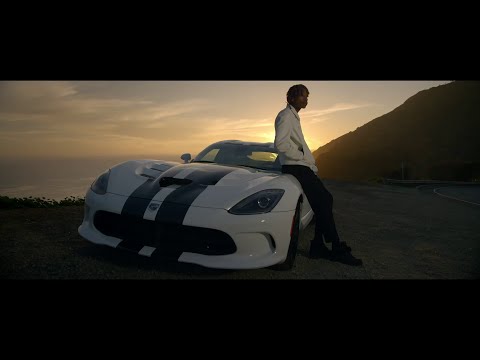
The music video for "Get Ugly" was central to the song's commercial strategy. Directed to showcase group choreography and Derulo's own considerable dancing abilities, the video created the kind of visually dynamic content that performed well across YouTube, Vevo, and social media platforms. Derulo's long-standing commitment to high-production-value music videos had been a consistent feature of his commercial strategy, and "Get Ugly" followed this template closely, delivering a product that functioned as both entertainment and advertisement.
The video's emphasis on communal, enthusiastic dancing rather than technically precise choreography aligned with the song's lyrical message about abandoning self-consciousness in favor of genuine expression. This coherence between visual content and sonic message gave the campaign a thematic unity that enhanced its impact.
Album Context and Legacy
Within the context of Derulo's career, "Get Ugly" represented a continuation of the dance-pop formula that had generated hits like "Wiggle" and "Want to Want Me" while introducing a slightly more inclusive, anti-perfectionist thematic angle. The song was a commercial success that reinforced his position as one of pop music's most reliable hit-making machines in the 2010s. Its chart run and YouTube performance demonstrated that his appeal remained broad and internationally consistent into the second half of the decade, and the song continues to be featured in Derulo retrospectives and streaming playlists focused on mid-2010s pop hits.
02 Song Meaning
Themes and Cultural Resonance of Jason Derulo's "Get Ugly"
"Get Ugly" by Jason Derulo operates as an extended meditation on the liberation of dropping social pretense and allowing genuine, uninhibited expression to take precedence over curated, approval-seeking performance. The song's central premise, an invitation to abandon the carefully maintained appearance of attractiveness and dance with complete freedom, carries thematic weight that extends well beyond its function as a simple party anthem.
The Inversion of Aesthetic Norms
The title itself establishes the song's central thematic paradox. In a cultural landscape saturated with aspirational imagery, perfectly styled music videos, and social media profiles curated to project idealized versions of the self, an invitation to "get ugly" reads as an act of deliberate subversion. The word "ugly" here does not mean physically unattractive in any conventional sense; rather, it describes the ungainly, contorted, sweat-soaked version of a person who is dancing without inhibition, performing for their own joy rather than for an imagined audience's approval.
This thematic inversion tapped into a significant cultural anxiety of the mid-2010s, a moment when Instagram and Snapchat had fundamentally altered the way young people experienced social situations. The fear of being photographed or filmed in an unflattering moment, of appearing less than perfectly presented, had become a genuine source of social anxiety for a generation raised with smartphones. Derulo's invitation to embrace the "ugly" version of dancing was therefore not merely a playful hook but a genuine response to a cultural condition.
Communal Liberation and Dance Culture
The song situates its liberation narrative specifically within the context of the dance floor, a space that has long carried symbolic weight as a site of social freedom, bodily autonomy, and temporary suspension of ordinary social hierarchies. From the soul and funk traditions of the 1960s through the disco era, the rave culture of the 1980s and 1990s, and into the club music of the 2000s and beyond, the dance floor has consistently been coded as a space where normal social rules are suspended and authentic physical expression is permitted.
"Get Ugly" draws on this tradition while translating it into the specific vernacular of 2010s pop, where the dance challenge format had become a dominant mode of audience engagement. By building the song around a specific physical concept, uninhibited dancing rather than technically precise choreography, Derulo democratized the participatory invitation, making it accessible to anyone rather than only those with dance training or natural athletic grace.
Masculinity, Performance, and Sincerity
Within the tradition of male pop-R&B, there is often tension between the performance of romantic or sexual confidence and the expression of genuine vulnerability or authenticity. "Get Ugly" navigates this tension by locating sincerity in physical rather than emotional expression. The man who can invite a woman to "get ugly" with him, to drop their collective pretense and dance freely, is expressing a form of intimacy that sidesteps the emotional directness that might feel too exposed within the genre's typical conventions.
This framing positions the shared experience of uninhibited dancing as a form of connection, a way of knowing another person through their physical freedom rather than their carefully managed presentation. There is a genuine warmth to this conception of romantic invitation that gives the song an emotional dimension beyond simple club-track functionality.
Production and Sonic Meaning
The production of "Get Ugly" communicates its themes through sonic choices as much as through lyrics. The beat is energetic and slightly chaotic, with a density of percussion elements and bass frequencies that create an environment of controlled disorder. This sonic quality mirrors the thematic content perfectly: the music itself sounds like the musical equivalent of dancing without self-consciousness, busy, enthusiastic, and slightly overwhelming in the best possible way.
The hook's melodic structure is deliberately simple and repetitive, designed to be sung along with by people who are not particularly concerned with vocal precision. This accessibility is itself a thematic statement, an invitation to participate that does not require technical skill, only willingness. The simplicity of the melodic hook is therefore not a commercial shortcut but a deliberate extension of the song's central message about embracing participation over perfection.
Legacy and Cultural Positioning
In the context of early 2016 pop culture, "Get Ugly" occupied a distinctive position as a song that critiqued the very culture of perfectionism and curation that its existence as a polished pop product seemed to embody. This productive tension, between the song's anti-perfectionist message and its high-production-value execution, is part of what gives it lasting interest as a cultural artifact. It reflected the complex negotiation that contemporary pop music was undertaking with the social media environment that had become inseparable from its own distribution and consumption.
→ More from the 2010s File
View all 2010s hits →



Keep digging