The 2010s File Feature
What We Ain't Got
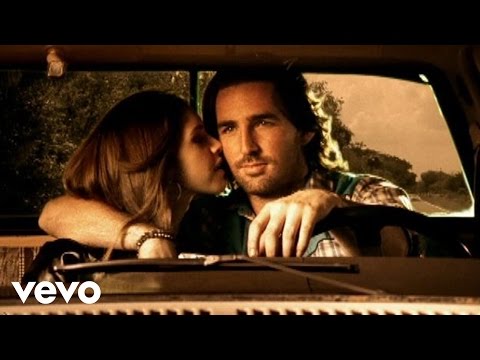
What We Ain't Got — Jake Owen A Florida Voice on Country's Main Stage The early months of 2015 found Jake Owen in a position that many country artists spend …
01 The Story
What We Ain't Got — Jake Owen
A Florida Voice on Country's Main Stage
The early months of 2015 found Jake Owen in a position that many country artists spend years working toward: established enough to command country radio attention, versatile enough to range across the genre's various emotional registers, and commercially active on an album cycle that had already produced hits. Owen, a Florida native whose easy, sun-soaked persona gave him a slightly different quality from the more earnestly rural images that dominate mainstream Nashville, had built his audience through a combination of upbeat, beach-flavored party songs and more emotionally serious ballads. "What We Ain't Got" fell firmly into the second category.
The song arrived as part of Owen's continued presence on country radio following his 2011-2013 commercial breakthrough, a period that had established him as a genuine mainstream country star. Owen's vocal quality, warm and unforced, suited the emotional register of the ballad format particularly well, and producers working with him understood that his strength in this mode came from understatement rather than over-performance.
Wanting What Is Absent, Having What Is Overlooked
The emotional core of "What We Ain't Got" is a recognizable but precise piece of psychological observation: people in relationships tend to focus on what they lack rather than appreciating what they have, while people outside relationships idealize the connection they've lost or given up. The grass-is-greener dynamic that the song describes is not a novel insight, but the country ballad tradition has always understood that the value of a lyric is rarely in its novelty. The value lies in the quality of execution, in whether the familiar observation is rendered with enough specificity and emotional honesty to feel genuine rather than generic.
The song was written by Ross Copperman and Ashley Gorley, two of Nashville's most prolific and respected songwriters. Copperman in particular had developed a reputation for writing songs that balanced accessibility with genuine emotional depth, and his collaboration with Gorley produced material that gave Owen a strong vehicle for the introspective mode he was exploring on this album cycle.
The Chart Run of Early 2015
The single entered the Billboard Hot 100 on January 17, 2015, debuting at number 95. Its climb was measured rather than dramatic: 94, 94, 92, then to its peak of number 89 on February 14, 2015, a chart date that landed, appropriately enough for a romantic song of this character, on Valentine's Day. The total run lasted 11 weeks, giving the track sustained presence in the charts through the winter months.
The Valentine's Day peak was an accident of timing rather than planning, but it functioned as a piece of good fortune: a ballad about the regrets and longings of romantic life landing at maximum chart visibility on the one day of the year most completely given over to romantic awareness. Radio programmers were predictably receptive.
Production and Sound in Context
The production of "What We Ain't Got" sat comfortably within the mainstream Nashville aesthetic of the period: clean, warm, with acoustic elements providing authenticity and modern production sheen providing radio readiness. The arrangement gave Owen's voice the space it needed to carry the emotional weight of the lyric without overcrowding the verses or overselling the emotional stakes. The result was a record that sounded at home on country radio formats without sacrificing the intimacy that a song of this emotional character required.
Country radio in 2015 was navigating its own internal tensions around the question of what the genre should sound like and who it should serve. The "bro-country" debate of the previous couple of years had raised pointed questions about the genre's dominant modes, and a song as quietly serious as "What We Ain't Got" represented an implicit argument for the continued viability of the country ballad tradition.
Owen's Place in the Nashville Landscape
Jake Owen occupies a specific and coherent position in the contemporary country landscape: a singer whose Florida background and coastal sensibility give him a slightly different regional flavor from many of his Nashville peers, and whose vocal style favors warmth and accessibility over the dramatic vocal displays that some of the genre's more operatically inclined artists prefer. Within that specific niche, "What We Ain't Got" represented Owen working with excellent material and delivering it with conviction and skill.
The song's gentle, ruminative quality rewards attentive listening. Press play and let the question at its center settle into your own experience; chances are good that the song will find something real there to illuminate.
"What We Ain't Got" — Jake Owen's singular moment on the 2010s charts.
02 Song Meaning
What We Ain't Got — Themes and Legacy
The Paradox of Romantic Perception
The central theme of "What We Ain't Got" is a psychological paradox that most people recognize from their own experience: the tendency to value most intensely what one currently lacks. The song dramatizes this dynamic specifically in the context of romantic relationships, where the pattern is particularly acute. Someone in a relationship fixates on its limitations and lacks, while someone outside a relationship idealizes the connection they've lost or given up. Neither position allows for clear-eyed appreciation of what is actually present.
This is not a cynical observation about human nature; it's a compassionate one. The song acknowledges the pattern without condemning the people who fall into it. The implicit argument is that this perceptual tendency is simply part of what it means to be human, a structural feature of desire and attention rather than a moral failing. That sympathetic treatment of a recognizable limitation is one of the things that makes the track emotionally resonant rather than merely clever.
Gratitude and Presence as Implicit Ideals
The underside of the song's central paradox is a set of implicit ideals: the ability to appreciate what one has while one has it, to be fully present in a relationship rather than imaginatively absent in a longed-for alternative. The country tradition has long placed a high value on presence, on being where you are rather than somewhere else, on finding sufficiency in ordinary life rather than reaching perpetually for an elsewhere that never quite arrives. "What We Ain't Got" participates in that tradition while giving it a specifically romantic application.
The song doesn't preach these ideals; it simply holds up the contrast between them and the actual pattern of human behavior and lets the listener draw their own conclusions. That restraint is a virtue in a genre that can sometimes tilt toward the didactic.
The Songwriting Craft of Copperman and Gorley
Ross Copperman and Ashley Gorley brought considerable craft to the specific challenge this song presented. The emotional territory they were working in was familiar; the challenge was to map it with enough precision to make familiar terrain feel freshly seen. The writing team's solution was to ground the abstract psychological observation in specific relational detail, to make the narrator's voice feel like a particular person working through a particular experience rather than a generic everyman announcing a universal truth.
This specificity is what separates professional-quality country songwriting from the merely competent variety. Generic observations are easy to generate; specific, felt formulations of those observations require the kind of careful attention that the best Nashville writers bring to their craft systematically.
Jake Owen's Interpretive Contribution
Any discussion of what "What We Ain't Got" means as a piece of music must account for the contribution of the performer. Jake Owen's vocal interpretation gave the material its particular emotional texture. His approach to the ballad, unhurried, unforced, allowing the words to carry their natural weight without supplementing them with excessive vocal display, created the impression of a man genuinely working through a personal realization rather than a professional singer delivering someone else's insight.
That quality of authenticity is not automatic; it requires both a certain kind of voice and a certain kind of interpretive intelligence. Owen demonstrated both on this recording, which is why the track succeeded as well as it did on a chart that receives enormous quantities of polished, professionally executed country material and rewards only a fraction of it with meaningful audience attention.
"What We Ain't Got" — Jake Owen's singular moment on the 2010s charts.
→ More from Jake Owen
View all Jake Owen hits →



→ More from the 2010s File
View all 2010s hits →



Keep digging