The 2010s File Feature
Photograph
Photograph — J. Cole (2018) J. Cole's fifth studio album arrived as one of the most anticipated releases in hip-hop of its era. KOD was released on April 20,…
01 The Story
Photograph — J. Cole (2018)
J. Cole's fifth studio album arrived as one of the most anticipated releases in hip-hop of its era. KOD was released on April 20, 2018, through Dreamville Records and Interscope Records, and it debuted at number one on the Billboard 200 with more than 397,000 album equivalent units in its first tracking week, making it one of the fastest-selling rap albums of that year. "Photograph" was among the album's most structurally distinctive tracks, departing from Cole's conventional verse-chorus architecture to explore a more exploratory, meditative approach to its subject matter.
The track addressed the experience of developing emotional attachment to someone through their digital image, specifically the phenomenon of falling for a person one has never met through their photographs on social media. This subject placed "Photograph" firmly within the album's broader thematic project of examining addiction and obsession in modern life. The album's full title, KOD, carried multiple meanings, including Kids on Drugs, King Overdosed, and Kill Our Demons, and its various tracks explored different forms of dependency, from substance abuse to social media compulsion to the need for romantic validation.
J. Cole served as the primary producer on the track, working within the sonic aesthetic he had developed across his career: warm, sample-influenced instrumentation, unhurried tempos, and arrangements that prioritized atmosphere over technical complexity. His production on KOD demonstrated a continued commitment to classical hip-hop aesthetics at a moment when trap production dominated the mainstream, a choice that read as both artistic statement and commercial confidence.
The track's structure supported its thematic content. Rather than delivering a conventional rap verse with tight rhyme schemes and rapid-fire delivery, "Photograph" allowed Cole to explore the subject discursively, following the emotional logic of the experience he was describing rather than organizing it into clean segments. This structural looseness was itself meaningful, reflecting the sprawling, non-linear nature of online infatuation.
KOD performed exceptionally well across multiple metrics. It debuted at number one on the Billboard 200 and remained on the chart for more than eighty weeks, demonstrating sustained audience engagement well beyond the typical album cycle. The album's streaming performance was particularly strong, reflecting Cole's ability to generate consistent on-demand plays across his entire catalog. Multiple tracks from the album charted on the Billboard Hot 100, and several became embedded fixtures in digital playlist culture.
Cole released KOD without the conventional promotional apparatus of an album cycle. There were no advance singles, no media appearances, and no music videos accompanying the initial release. This approach, which he had employed on previous albums, reflected a philosophy about artistic integrity and audience trust that had become one of his defining attributes as a public figure. The album's success validated that approach and reinforced his position as one of the rare artists capable of generating major commercial results through artistic credibility alone.
J. Cole had previously achieved a similar approach with 2014 Forest Hills Drive, which went platinum without any featured artists and became one of the best-selling rap albums of its year. KOD extended that legacy, and "Photograph" was among the tracks that demonstrated how Cole's willingness to pursue unconventional creative approaches could yield work that stood apart from its commercial context.
Critical reception for "Photograph" was positive within the broader strong reception for KOD. Reviewers noted its unusual structural approach and the specificity of its subject matter, with several publications identifying it as one of the album's most formally interesting tracks. The song's examination of digital longing was seen as culturally timely, reflecting the growing anxiety around social media's impact on human connection and self-perception.
The track's resonance with listeners extended beyond its chart performance, embedding itself in online conversations about modern romance, social media, and the particular emotional experiences unique to the digital age. Its themes continued to feel relevant as the years passed, and it remained one of the more discussed tracks from an album whose critical reputation grew steadily in the years following its release.
02 Song Meaning
Meaning and Themes: Photograph
"Photograph" is one of the most formally inventive examinations of digital-age longing in contemporary hip-hop, addressing the specific and relatively new experience of developing real emotional attachment to someone encountered only through curated images on a screen. J. Cole treats this subject with genuine curiosity rather than dismissiveness, exploring how the mechanisms of social media create conditions for a particular kind of desire that previous generations had no framework for understanding.
The central experience the track explores is recognizable to anyone who has spent time consuming the social media profiles of strangers: the way a person's curated digital presence can generate feelings of intimacy, connection, and even longing that exist entirely in the observer's imagination. The subject of the photograph remains unknown, filtered through their own editorial choices and the platform's aesthetic conventions. The narrator's feelings are genuine even though the relationship is constructed, and Cole does not judge that paradox but instead examines it with the attentiveness of someone genuinely troubled by what it reveals about human psychology.
Within the larger conceptual framework of KOD, "Photograph" represents social media as a form of addiction. The album treated various dependencies, from drug use to the need for external validation, as expressions of the same underlying human compulsion toward escape and artificial satisfaction. Digital longing fits this framework precisely because it offers the emotional experience of connection without the risk and vulnerability of actual human encounter. The photograph replaces the person, just as a substance replaces the feeling it was originally meant to produce, creating a simulacrum that satisfies superficially while deepening the underlying need.
Cole's approach to the subject is notably non-moralistic. He does not condemn the experience or position himself above it. Instead, the track creates the sense of someone who recognizes his own participation in the patterns he is describing, someone for whom the diagnosis is also self-diagnosis. This intellectual honesty is characteristic of Cole's best work and gives "Photograph" an authenticity that pure social commentary would not have achieved.
The track's structural informality mirrors its thematic content. Just as social media scrolling is non-linear and resistant to conventional narrative, the song does not organize its emotional content into neat verse-chorus segments. It follows the associative logic of thought itself, moving through the experience of digital infatuation the way a mind actually moves through it. This formal choice reflects a sophisticated understanding of how content can embody meaning rather than merely convey it.
The broader implications of "Photograph" extend to questions about what technology does to the human capacity for connection. If a curated image can generate feelings of love or longing, what does that suggest about the nature of those feelings? Are they authentic experiences in themselves, or are they evidence of something being manipulated? The song sits with these questions rather than resolving them, making it a more honest and more interesting cultural document than its conversational tone might initially suggest. It is an examination of something genuinely new in human experience, delivered with the kind of thoughtful uncertainty that the subject deserves.
→ More from J. Cole
View all J. Cole hits →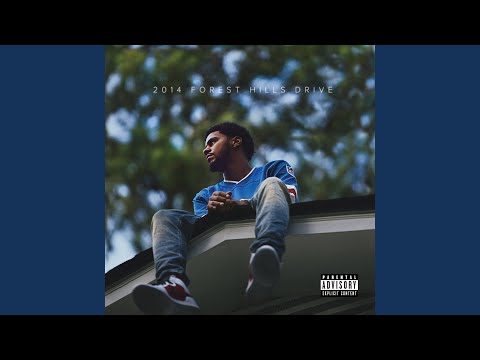

→ More from the 2010s File
View all 2010s hits →



Keep digging