The 2010s File Feature
Modern Slavery
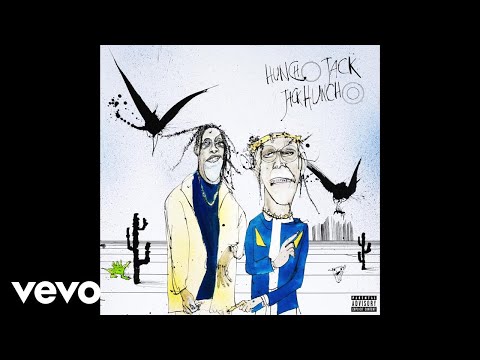
"Modern Slavery" — Huncho Jack A Supergroup Debut in the New Year The first week of January 2018 found hip-hop in a characteristically confident mood. The ge…
01 The Story
"Modern Slavery" — Huncho Jack
A Supergroup Debut in the New Year
The first week of January 2018 found hip-hop in a characteristically confident mood. The genre had dominated 2017's chart landscape in ways that felt definitive rather than cyclical, and the alliances and collaborations that defined its commercial ecosystem were producing some of the format's most interesting music. Into this moment arrived Huncho Jack, the collaborative project pairing Quavo of Migos with Travis Scott, two artists who between them had been responsible for some of the most commercially successful rap releases of the preceding two years. Their self-titled debut album appeared on December 21, 2017, and Modern Slavery reached the Billboard Hot 100 in the chart dated January 6, 2018.
The Formation of Huncho Jack
Travis Scott and Quavo had developed a friendship and creative rapport over several years of collaborating on each other's projects and appearing together in social contexts. By late 2017, both were at peaks of commercial momentum: Travis Scott had released Birds in the Trap Sing McKnight and multiple high-profile features, while Quavo's work with Migos on Culture had been among the most celebrated rap releases of the year. The decision to formalize their collaboration as a joint project felt natural to observers who had watched their chemistry develop. Jack Huncho, the album they released, served as a showcase for both artists' complementary strengths.
The Track in Context
Modern Slavery is among the album cuts that landed on the Hot 100 when Jack Huncho debuted with strong streaming numbers. The title itself reflects an interest in social commentary that sits somewhat apart from both artists' more typical subject matter, nodding toward critiques of systemic exploitation that run through African American musical tradition from spirituals through contemporary hip-hop. The track appeared on the Epic Records released album, with production that reflected the trap-influenced sound both artists had been developing through their respective solo careers. The atmospheric production sensibility associated with Travis Scott's work in particular lent the album a cohesive sonic identity.
Chart Performance
The track debuted and peaked at number 68 on the Billboard Hot 100 on January 6, 2018, spending one week on the chart. That single-week showing was typical for album cuts from strong-opening projects that generate multiple simultaneous chart entries; the streaming surge that places tracks on the chart can dissipate quickly when it is distributed across an entire album rather than concentrated on a single promoted release. The YouTube view count of over 5.4 million reflects an audience that found sustained value in the track beyond its brief chart window.
The Collaborative Album as Format
The Huncho Jack project participated in a broader trend of hip-hop supergroup releases that had gained momentum through the 2010s. The format offered a specific set of pleasures: hearing artists whose individual sounds were already familiar interact and combine in new ways, the chemistry between established identities producing something that belonged to neither fully and to both simultaneously. Quavo's melodic flow and Travis Scott's atmospheric production instincts created a combination that felt genuinely novel even for listeners who knew both artists' solo work well. Modern Slavery demonstrates this chemistry in one of the album's more sonically interesting configurations.
The Album's Place in Both Artists' Trajectories
For Travis Scott, the Huncho Jack collaboration arrived in the period between Birds in the Trap Sing McKnight and the release of Astroworld, the album that would define his next commercial and artistic phase. For Quavo, it came while Migos remained one of the dominant forces in trap music, their influence traceable in the cadences and flows adopted by younger artists across the genre. The joint album allowed both artists to work in a lower-stakes environment than their solo releases demanded, creating music that could take risks without the weight of single-artist brand expectations. The result was a project that fans of both artists found genuinely rewarding, not merely as a collector's item but as a body of songs with their own internal logic and aesthetic consistency. Modern Slavery within that context functions as one of the more ambitious moments, a track where the collaborative energy produces something that asks more of its listeners than simple entertainment. The song's continued streaming numbers across the years since its release confirm that the collaboration retained meaningful audience interest well past its commercial peak.
Revisit Jack Huncho as a full album and hear Modern Slavery as the collaborative statement it was always intended to be.
"Modern Slavery" — Huncho Jack's singular moment on the 2010s charts.
02 Song Meaning
"Modern Slavery" — Huncho Jack: Themes and Legacy
The Title's Weight
Choosing to title a track "Modern Slavery" carries an immediate moral and historical charge. The phrase references contemporary debates about labor exploitation, systemic oppression, and the ways in which economic structures replicate the coercive power dynamics of historical enslavement. In hip-hop, which has consistently engaged with African American experience of systemic injustice, a title this direct positions the track in a lineage of political commentary stretching back decades. Whether Huncho Jack engage with that weight throughout the full track or use the title more provocatively is a question that rewards close listening, but the choice to name the song this way is itself meaningful.
Hip-Hop's History of Social Critique
Hip-hop's relationship with social and political commentary has always been multidimensional. The genre simultaneously celebrates individual success achieved despite systemic disadvantage and criticizes the systems that created that disadvantage in the first place. Travis Scott and Quavo both come from backgrounds that have given them direct experience of economic precarity before commercial success, and that background informs the credibility with which they can engage with material about exploitation and constraint. The track participates in a long tradition of artists using their platform to name systems that others would prefer remain unnamed.
Trap Production as Emotional Architecture
The sonic landscape that both artists inhabit is built from trap production elements: hi-hats with precise rhythmic subdivision, layered synthesizers, bass that operates as much physically as musically. This production style, which emerged from Atlanta's hip-hop scene in the early 2000s, carries its own emotional connotations by 2018. It communicates a specific kind of contemporary urban experience, one shaped by both aspiration and constraint. The production context of "Modern Slavery" creates a frame in which the title's social critique feels located in specific contemporary experience rather than floating as abstract political statement.
The Supergroup Dynamic and Authentic Collaboration
Not all supergroup projects achieve genuine creative synthesis; some simply present two established sounds side by side without the chemistry that makes collaboration more than addition. Huncho Jack generally avoided this failure mode, and Modern Slavery exemplifies the project's more integrated moments. Quavo's melodic instincts and Scott's ear for atmospheric texture complement each other in ways that produce a result neither would likely have arrived at independently. The collaborative context gives both artists creative permission to try approaches that their solo work might not have accommodated.
Legacy of the Collaboration
The Huncho Jack project's place in both artists' discographies is that of a creative sidebar, an interesting experiment that demonstrated range without defining either career's direction. For fans of both artists, the album provided a satisfying synthesis at a moment when both were at commercial peaks. Modern Slavery represents one of the album's more thematically ambitious moments, and its continued streaming audience reflects listeners who return to the project for its strongest material rather than its singles. The song's YouTube presence, with over 5.4 million views, confirms sustained interest from an audience that values depth in its rap consumption.
→ More from Huncho Jack
View all Huncho Jack hits →
→ More from the 2010s File
View all 2010s hits →



Keep digging