The 2010s File Feature
Sparks
Sparks: Hilary Duff's Pop Comeback and Its Place in Her Reinvention "Sparks" is a pop single by American singer and actress Hilary Duff, released in April 20…
01 The Story
Sparks: Hilary Duff's Pop Comeback and Its Place in Her Reinvention
"Sparks" is a pop single by American singer and actress Hilary Duff, released in April 2015 through RCA Records as the lead single from her album Breathe In. Breathe Out. The song marked a significant moment in Duff's musical career, as it represented her full return to pop recording after a hiatus of several years during which she had focused primarily on acting and family life following her marriage and the birth of her son.
Hilary Duff had built her initial fame as a teen star through the Disney Channel series Lizzie McGuire and had leveraged that platform into a successful music career in the early 2000s. Albums including Metamorphosis, released in 2003, which debuted at number one on the Billboard 200, established her as a legitimate commercial pop artist rather than simply a television personality with a side music project. After several successful releases throughout the mid-2000s, Duff stepped back from music to focus on other aspects of her career and personal life.
Her return with "Sparks" in 2015 was therefore eagerly anticipated by the fanbase that had grown up with her music and by pop commentators interested in how artists from the teen pop era of the early 2000s would reposition themselves for a significantly changed musical landscape. The song itself reflects the production aesthetics of mid-2010s dance-pop, with synthesizer-driven arrangements, programmed percussion, and a polished sheen characteristic of contemporary radio pop of the period.
The accompanying music video was directed with a cinematic quality and featured visual storytelling centered on romantic attraction and the electric chemistry between two people, aligning with the song's lyrical content about the initial surge of romantic feeling. The video was released on digital platforms and received strong views, reflecting both the existing Duff fanbase's enthusiasm and new audience curiosity.
"Sparks" reached the lower tiers of the Billboard Hot 100, reflecting the challenge Duff faced in converting nostalgic goodwill and press attention into radio-driven chart performance in a landscape increasingly dominated by streaming. The track performed more strongly in digital download metrics, where her dedicated fanbase was more concentrated, than in airplay-driven charts. The album Breathe In. Breathe Out. was released on June 9, 2015, and debuted at number five on the Billboard 200, an impressive result that demonstrated the enduring commercial loyalty of Duff's audience.
Critical reception to "Sparks" was mixed to positive, with many reviewers acknowledging that it was a well-crafted pop song that suited Duff's vocal strengths while noting that it did not break significantly new ground in terms of sonic innovation. The consensus was that the song was an effective, if conventional, re-entry into pop music, demonstrating that Duff could produce commercially viable material for an adult audience without straining against the associations of her earlier teen pop output.
The song was co-written and produced by a team that included several experienced commercial pop craftsmen, reflecting RCA's investment in giving the comeback the professional backing it required to compete in a format where production quality and songwriting precision are essential for radio consideration. The polished result was by design rather than accident, reflecting careful A&R work around the project.
Duff's return to music was covered extensively in entertainment media, with profiles in major outlets emphasizing both her personal growth since her earlier career peak and her determination to be taken seriously as an adult pop artist. This media attention gave "Sparks" a visibility beyond its chart performance, keeping Duff's name in cultural conversation throughout the summer of 2015 and contributing to the album's commercial performance.
The song's release also came at a time when streaming services were beginning to fundamentally reshape how pop artists maintained audience relationships between album cycles. Duff had built strong social media followings that allowed her to communicate directly with fans and to generate organic excitement around new material without depending solely on traditional radio promotion. This direct-to-fan dimension of the "Sparks" campaign reflected a broader shift in how returning artists could reactivate their audiences in the digital age, and Duff navigated it with the savvy of someone who had been a public figure since childhood and understood intuitively how to engage with the communities that had formed around her work.
02 Song Meaning
What "Sparks" Says About Hilary Duff's Artistic Identity in 2015
"Sparks" uses the universal metaphor of romantic electricity to describe the feeling of new attraction, the sense that contact with another person generates something like a physical charge. This is familiar lyrical terrain for pop music, but Duff and her collaborators execute the concept with a particular lightness and warmth that suits her vocal persona and the emotional register she has consistently inhabited across her career.
The song is not attempting to deconstruct romantic convention or offer a complex emotional portrait. Its ambitions are more immediate: to capture and transmit the feeling of excitement that accompanies the beginning of a meaningful connection. Within those modest but genuine ambitions, the track succeeds by committing fully to its emotional logic without irony or distance. The production's bright, clean synthesizer lines mirror the emotional content, creating a sonic environment that feels genuinely joyful rather than manufactured.
For Duff as an artist, "Sparks" carries meaning beyond its lyrical content because it represents a statement of artistic continuity. By returning to music that remained emotionally positive and sonically accessible rather than attempting a dramatic reinvention, Duff was communicating to her audience that her identity as a pop artist was consistent and genuine rather than merely a product of a particular phase of her life. This consistency is its own form of artistic authenticity.
The timing of the song's release, during a period when many 2000s pop artists were attempting various forms of reinvention or comeback, gave "Sparks" additional cultural resonance. Duff's approach was notably unforced compared to some of her contemporaries who pursued more radical sonic shifts to attract critical attention. She made music that was recognizably hers, updated for a contemporary production context but not fundamentally alien from what her audience knew and valued.
The song also reflects the emotional landscape of Duff's personal life at the time, a period that followed the end of her first marriage and the solo parenting of a young child, circumstances that gave even an apparently straightforward romantic song additional layers of personal meaning. The optimism encoded in the idea of finding new romantic connection carried genuine biographical weight for an artist who had lived publicly through a significant personal transition.
Critics who responded warmly to the song often pointed to the sincerity of Duff's delivery as its central virtue. She sings the material as someone who believes in the feelings she is describing, which makes the track emotionally legible and appealing even when it is not particularly surprising from a formal perspective. This sincerity is a quality that has been consistent throughout her career and that distinguishes her from artists whose commercially polished output can feel impersonal.
In the context of her full discography, "Sparks" marks the beginning of a mature chapter in which Duff established herself as an adult pop artist whose appeal was no longer dependent on the nostalgic associations of her teen stardom. The song welcomed listeners who remembered her from the early 2000s while making a case that she had something to offer to anyone willing to encounter her work without those prior associations. That dual functionality was essential to the commercial strategy behind the album campaign and to the cultural reception of her return.
→ More from Hilary Duff
View all Hilary Duff hits →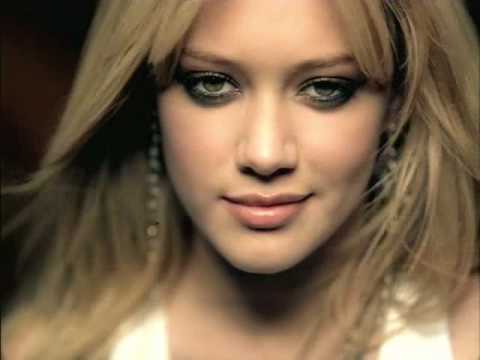


→ More from the 2010s File
View all 2010s hits →



Keep digging