The 2010s File Feature
Young & Crazy
Young and Crazy: Frankie Ballard's Country Radio Breakthrough of 2015 Frankie Ballard's "Young and Crazy" arrived in 2015 as a key moment in a commercial bre…
01 The Story
Young and Crazy: Frankie Ballard's Country Radio Breakthrough of 2015
Frankie Ballard's "Young and Crazy" arrived in 2015 as a key moment in a commercial breakthrough that had been building for the Michigan-born country singer-songwriter since his early recording career. The track was released by Warner Bros. Nashville, and it followed the massive success Ballard had experienced with "Sunshine and Whiskey," which had reached number one on the Billboard Country Airplay chart in 2014. "Young and Crazy" was positioned to build on that momentum and establish Ballard as a reliable presence at the top of the country format.
The song was co-written by Ballard alongside a team of Nashville professionals in the collaborative tradition that has defined country music's songwriting culture for decades. Its production was handled within the Warner Bros. Nashville framework, and the resulting sound balanced Ballard's guitar-driven rock influence with the melodic accessibility expected of mainstream country radio hits. Ballard had always positioned himself as a guitar player first, and his instrumental background gave his recordings a live, muscular quality that distinguished them from more production-heavy country acts of the period.
"Young and Crazy" reached the top five on the Billboard Country Airplay chart, sustaining Ballard's run of significant country radio success that had begun with "Helluva Life" and accelerated with "Sunshine and Whiskey." The song connected with radio programmers and country audiences who responded to its energetic, feel-good nostalgia for the reckless abandon of youth, a theme that had proven commercially reliable in country music across multiple decades and format cycles.
The 2015 country music landscape was one in which the format was navigating competing pressures. The bro-country movement, characterized by party anthems with loud production and celebratory themes, had crested commercially and was beginning to attract critical backlash. More traditionalist and singer-songwriter-oriented approaches were gaining ground, and artists like Ballard, who combined genuine musicianship with accessible themes, occupied a useful middle position. "Young and Crazy" drew on celebratory themes associated with the bro-country era but delivered them with the guitar-forward energy and slightly more restrained production that was becoming more commercially viable as the mid-2010s progressed.
Frankie Ballard's career had been built partly on his credibility as a live performer, and his touring work helped sustain and amplify the commercial impact of his radio singles. He had won the "Discovery of the Year" award at the 2014 CMT Artists of the Year ceremony, and his profile as a live-circuit performer with genuine instrumental skills gave him a different kind of credibility from artists whose careers were built primarily on recording studio output and radio promotion. "Young and Crazy" benefited from that live reputation, reaching audiences who had encountered Ballard's energy in concert and sought out his recordings as a result.
The accompanying music video for "Young and Crazy" leaned into summer imagery and the visual vocabulary of carefree youth that the song celebrated lyrically, with scenes of outdoor gatherings, driving, and celebration that were entirely consistent with what country music audiences expected from a track in this thematic territory. The visual execution reinforced the radio campaign and helped the song's story reach audiences beyond pure audio discovery contexts.
Country radio programmers in 2015 were managing a format in transition, and acts like Ballard who could deliver reliable, quality mainstream country without alienating either traditional audiences or the younger demographic that had been brought into the format by the bro-country wave were commercially valuable. "Young and Crazy" demonstrated Ballard's ability to deliver exactly that kind of format-friendly material without abandoning his guitar-playing, singer-songwriter identity.
The song extended Ballard's chart presence through the summer of 2015 and contributed to an album cycle that established him as one of the more consistent commercial performers on the Warner Bros. Nashville roster during this period. His ability to generate multiple chart successes from the same album reflected the depth of his connection with country radio audiences and confirmed that "Sunshine and Whiskey" had not been an isolated breakthrough but the centerpiece of a genuinely productive period of commercial output.
02 Song Meaning
The Meaning Behind "Young and Crazy": Nostalgia for Recklessness and Earned Freedom
"Young and Crazy" operates in the nostalgic mode that country music has long favored for coming-of-age themes: the backward glance at a period of carefree recklessness, rendered with warmth and the understanding that only distance in time can provide. The song celebrates a specific emotional condition, the freedom of youth before responsibility fully arrives, and it does so without the anxious undertone that sometimes attaches to nostalgia in more introspective songwriting. The tone is celebratory rather than melancholic, suggesting that the memories it conjures are pleasurable precisely because they are memories, things one can return to without having to actually live the consequences again.
The pairing of "young" and "crazy" in the title is familiar country music shorthand for a period of life defined by impulsive decisions, romantic adventures, late nights, and the particular kind of energy that comes from not yet having settled into adult obligations. Country music has been returning to this territory repeatedly since at least the outlaw era of the 1970s, finding in the recollection of youthful wildness a way to affirm both the value of those experiences and the maturity to recognize them as past rather than present.
Frankie Ballard's delivery of the song's themes is shaped by his genuine background as someone who spent years building a career on the road, playing bars and small venues and developing his musical skills through direct experience rather than through commercial shortcuts. That biography, even when listeners do not know its details, gives his vocal performance a quality of genuine recollection rather than manufactured sentiment. He is not pretending to remember something he did not experience; he is drawing on a real reservoir of lived experience that the song's themes tap into authentically.
The emotional work the song does is partly reassurance. For listeners who are past the particular wildness the song describes, it offers confirmation that those experiences were valuable, that the craziness was worthwhile and worth remembering fondly. For younger listeners, it offers anticipation and permission, the cultural message that this kind of freedom is both available and worth pursuing. Country music has always been effective at delivering these dual messages simultaneously, speaking to multiple generations through the same thematic material. "Young and Crazy" executes this dual-audience address with particular efficiency, using imagery and language familiar enough to be universal while specific enough to feel personal.
The song does not engage with the costs of recklessness, the hangovers, the mistakes, the consequences that eventually impose themselves on even the most exuberant youth. This is a deliberate choice that keeps the song in a celebratory register rather than a cautionary one. Some of country music's most enduring songs about youth have been precisely about the costs and regrets; "Young and Crazy" is not that kind of song. It is the celebration without the comeuppance, and that choice reflects a particular commercial wisdom about what radio audiences want in a feel-good summer country track.
For Ballard's catalog, "Young and Crazy" represents the peak of his identity as a country artist who bridges the gap between genuine guitar-player credibility and mainstream radio accessibility. His musical roots in blues and rock were evident in his performances and in the energetic delivery he brought to material like this, giving even fairly conventional thematic territory a personal stamp. The song's success at country radio confirmed that Ballard had found a way to be himself commercially, not simply adapting to the format's expectations but finding where those expectations and his natural artistic instincts genuinely overlapped.
The broader meaning of "Young and Crazy" in the context of its 2015 release is that it participated in a mid-decade country moment when the format was seeking to balance its recent commercial evolution with a return to some of the authenticity and craft that its most vocal critics felt had been lost during the peak bro-country years. A song about youthful recklessness delivered with genuine guitar chops and real vocal commitment was both commercially timely and artistically honest, which is exactly the combination that sustains careers in country music over the long term.
→ More from Frankie Ballard
View all Frankie Ballard hits →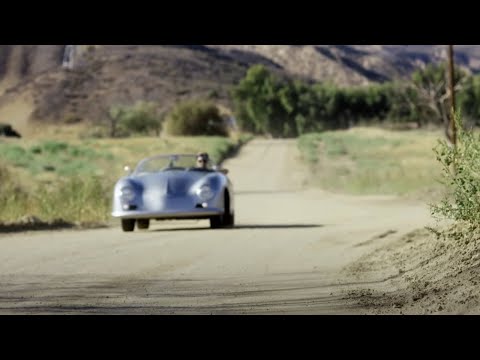
→ More from the 2010s File
View all 2010s hits →


Keep digging