The 2010s File Feature
Solo
Solo — Frank Ocean (2016): Chart History and Cultural Reception Frank Ocean has never operated on a conventional timeline, and "Solo" arrived as part of one …
01 The Story
Solo — Frank Ocean (2016): Chart History and Cultural Reception
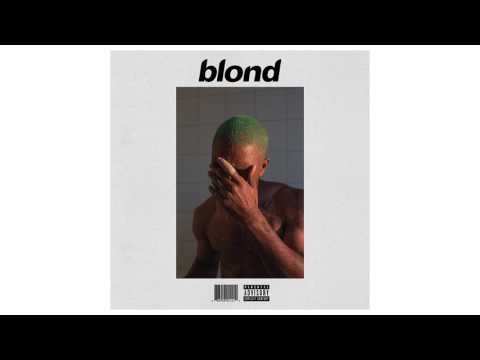
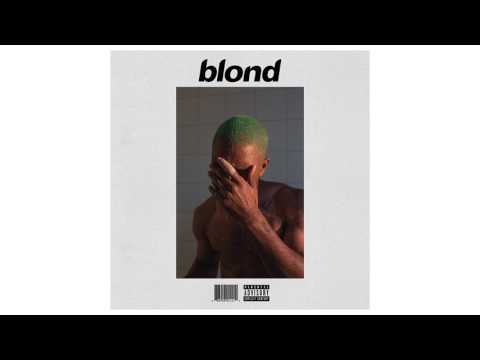
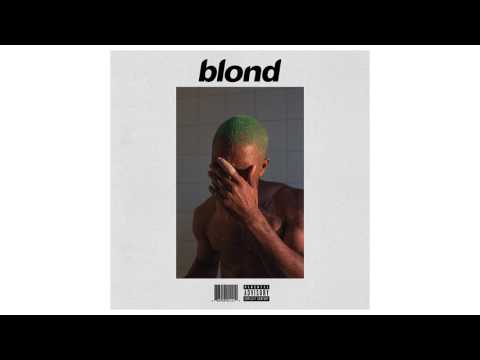
Frank Ocean has never operated on a conventional timeline, and "Solo" arrived as part of one of the most anticipated album rollouts in modern music history. The song appeared on Blonde, released August 20, 2016, on Boys Don't Cry, the independent label Ocean established specifically to release the record outside the major-label system that had constrained his previous output. The album dropped without a single conventional marketing campaign, arriving instead alongside a visual album called Endless and a printed magazine of the same name as the record, turning the release into a multimedia event.
Recorded over a prolonged period during which Ocean remained largely absent from public life, "Solo" was produced by Frank Ocean himself alongside Om'Mas Keith, one of the producers most closely associated with the sonic architecture of the album. The track employs a stately, organ-driven arrangement built on sampled material drawn from classical and gospel traditions. The production is deliberately spacious, giving the vocals room to carry narrative weight without competition from busy instrumentation. The song occupies a central position on the album's tracklist, functioning as both an emotional centerpiece and a compositional anchor.
Blonde debuted at number one on the Billboard 200 with first-week sales and streaming equivalent units that were remarkable given the album's unconventional distribution. It was available exclusively through Apple Music and the Boys Don't Cry website at launch, making the chart performance even more striking. Ocean had deliberately walked away from Def Jam Records, his previous label, after a protracted dispute over the timing of his follow-up to Channel Orange, and the success of Blonde validated the decision to go independent at scale.
Channel Orange, Ocean's 2012 debut studio album, had already established him as one of the most critically lauded artists of his generation, winning the Grammy Award for Best Urban Contemporary Album in 2013. The four-year gap between that record and Blonde transformed anticipation into something closer to mythology. Every mention of the follow-up project in the intervening years was treated as significant news, and that pressure informed both the album's sonic ambition and Ocean's decision to control every aspect of the release process personally.
"Solo" did not receive a traditional single release with a formal chart push, which was consistent with the broader approach Ocean took to Blonde. The album generated substantial streaming numbers and critical coverage, but Ocean declined to pursue radio promotion or release promotional videos for individual tracks in the period following the album's launch. This approach meant that individual songs from Blonde did not chart as prominently on the Hot 100 as the album's cultural impact might have suggested, though the record itself achieved significant commercial validation through streaming.
Critical reception for Blonde was immediately and almost universally superlative. The album appeared on virtually every major publication's year-end list for 2016, with many critics placing it at the top. Pitchfork awarded it a rare perfect score of 10.0, and publications including Rolling Stone, The New York Times, and The Guardian offered similarly enthusiastic assessments. "Solo" was frequently singled out within those reviews as a highlight, praised for its emotional directness and the maturity of its lyrical construction.
The song's gospel-inflected production contributed to a broader conversation about Ocean's relationship with Black American religious and musical traditions. The organ tone that anchors the track has antecedents in church music, and critics read the song as a meditation on solitude that drew on those spiritual resonances without being straightforwardly devotional. The arrangement felt both modern and deeply rooted in historical precedent, which became characteristic of Blonde as a whole.
In the years following its release, "Solo" has maintained a strong presence in discussions of Ocean's catalog and in assessments of the decade in music. Streaming figures for Blonde continued to accumulate steadily, and the album's reputation has only grown in the period since its release. The song has been covered and referenced by a number of artists, and its production approach, combining classical organ textures with contemporary vocal production, has been cited as influential on subsequent work across multiple genres. The cultural footprint of Blonde and of "Solo" within it reflects Ocean's broader significance as an artist who reshaped expectations about what commercial music could accomplish.
02 Song Meaning
Solo — Frank Ocean: Themes of Solitude, Reflection, and Self-Possession
"Solo" is organized around the idea of solitude as a chosen state rather than an involuntary condition. Ocean constructs the song as a meditation on what it means to be alone, and the lyrical movement suggests a narrator who has arrived at a settled, even contented relationship with aloneness. The tone is reflective rather than melancholic, which separates the song from more conventional treatments of loneliness in popular music. Ocean presents solitude not as absence but as a kind of clarity, a condition in which the noise of other people's expectations and demands falls away.
The song's position on Blonde places it within a broader arc of personal reckoning that runs through the entire album. Ocean spent much of the record working through questions of identity, desire, and belonging, and "Solo" functions as a point of stillness within that examination. The narrator appears to have moved past the acute pain of loss or rejection and arrived somewhere quieter, a space where introspection is possible without urgency. This emotional register was relatively unusual in contemporary R&B, which tended toward more demonstrative expressions of feeling.
The organ-based production by Ocean and Om'Mas Keith reinforces the song's thematic content in specific ways. The gospel associations of the instrument carry resonances of devotion, community, and the sacred, but here those associations are displaced from a communal context into something deeply private. The organ becomes the sound of one person in a room with their own thoughts rather than a congregation raised together. That displacement is part of the song's emotional logic, taking a sound associated with collective spiritual experience and turning it inward.
Ocean's relationship with his own queerness, which he disclosed publicly in 2012, runs beneath the surface of much of his work, and "Solo" participates in that autobiographical dimension without making it the explicit subject of the song. The experience of learning to be alone with an identity that does not fit conventional expectations informs the emotional texture of the meditation. Solitude, in this reading, is partly the solitude of difference, the experience of occupying a position that others do not share or fully understand. Ocean does not state this directly but the context of his public life and the broader themes of Blonde give the song's quiet self-possession additional resonance.
The song also participates in a tradition of artistic statements about creative isolation. The production of Blonde itself required Ocean to spend extended periods working alone or in small configurations, away from the collaborative structures of the major-label system. "Solo" can be heard as a reflection on that experience, on what it means to work through complex material in relative solitude and to find that the condition of being alone is not only tolerable but generative. The album's independent release model made this theme structurally legible: the record was literally made and released by Ocean on his own terms.
Critics reading the song have emphasized its emotional intelligence and the precision of its lyrical construction. Pitchfork and other major outlets noted the way Ocean uses understatement to achieve effects that more emphatic approaches would blunt. The restrained delivery matches the thematic content: a narrator who has found equanimity does not need to shout. The song's lasting significance in Ocean's catalog derives partly from its demonstration that emotional complexity and commercial accessibility are not mutually exclusive, even when the artist refuses to make conventional compromises.
→ More from Frank Ocean
View all Frank Ocean hits →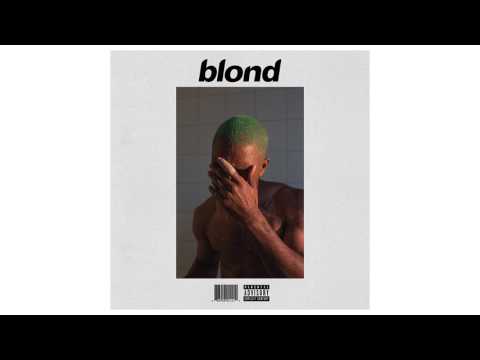

→ More from the 2010s File
View all 2010s hits →



Keep digging