The 2010s File Feature
Bailando
The Story of Bailando by Enrique Iglesias Imagine a Spanish-language single in the summer of 2014 climbing into the upper reaches of the American mainstream …
01 The Story
The Story of "Bailando" by Enrique Iglesias
Imagine a Spanish-language single in the summer of 2014 climbing into the upper reaches of the American mainstream chart, years before the great Latin crossover wave became an unstoppable flood. There is a warm, flamenco-tinged guitar figure, a rhythm that seems to physically lean you forward in your seat, and a chorus built entirely around a single, irresistible word that needs no translation in any language on earth. That was the spell "Bailando" cast over the world that year, and it has barely loosened its grip since.
A Veteran Reaching Back to His Roots
By 2014, Enrique Iglesias was already a bona fide global superstar with a long string of bilingual hits stretching back to the late 1990s. Yet much of his recent American success had come through English-language pop and dance tracks built for the radio. With this song, recorded for his album Sex and Love, he leaned hard back into the Latin sound that had originally launched his career, joining forces with two Cuban acts for a track sung almost entirely in Spanish. He recorded it alongside the Cuban singer-songwriter Descemer Bueno and the reggaeton duo Gente de Zona, a pairing that gave the song its authentic island flavor and its irresistible communal energy.
A Rhythm Built for Movement
The arrangement is deceptively simple and absolutely devastating in its effect. Acoustic guitar, a Cuban-flavored beat with reggaeton in its bloodstream and warmly layered vocals build a groove engineered from the first bar to fill dance floors. The title itself, meaning simply "dancing," functions as an instruction the music makes impossible to ignore or refuse. It is a song about the dizzy, breathless, slightly disorienting feeling of being swept up by another person, and the production mirrors that giddy rush at every single turn, building and circling until you have no choice but to move.
Crossing Over Against the Odds
The chart achievement here is genuinely notable and easy to underestimate in hindsight. The single debuted on the Billboard Hot 100 dated May 17, 2014, at number 81. Over the following weeks it climbed steadily and stubbornly, powered by Spanish-language radio, a fast-growing online audience that crossed borders effortlessly, and an English-language version that helped it reach listeners who might otherwise have skipped past it. It peaked at number 12 on August 23, 2014, a striking result for a song sung in Spanish at a moment when the American pop chart was still overwhelmingly dominated by English-language hits. It spent 30 weeks on the Hot 100, proving its staying power stretched well beyond a single hot summer.
A Global Phenomenon
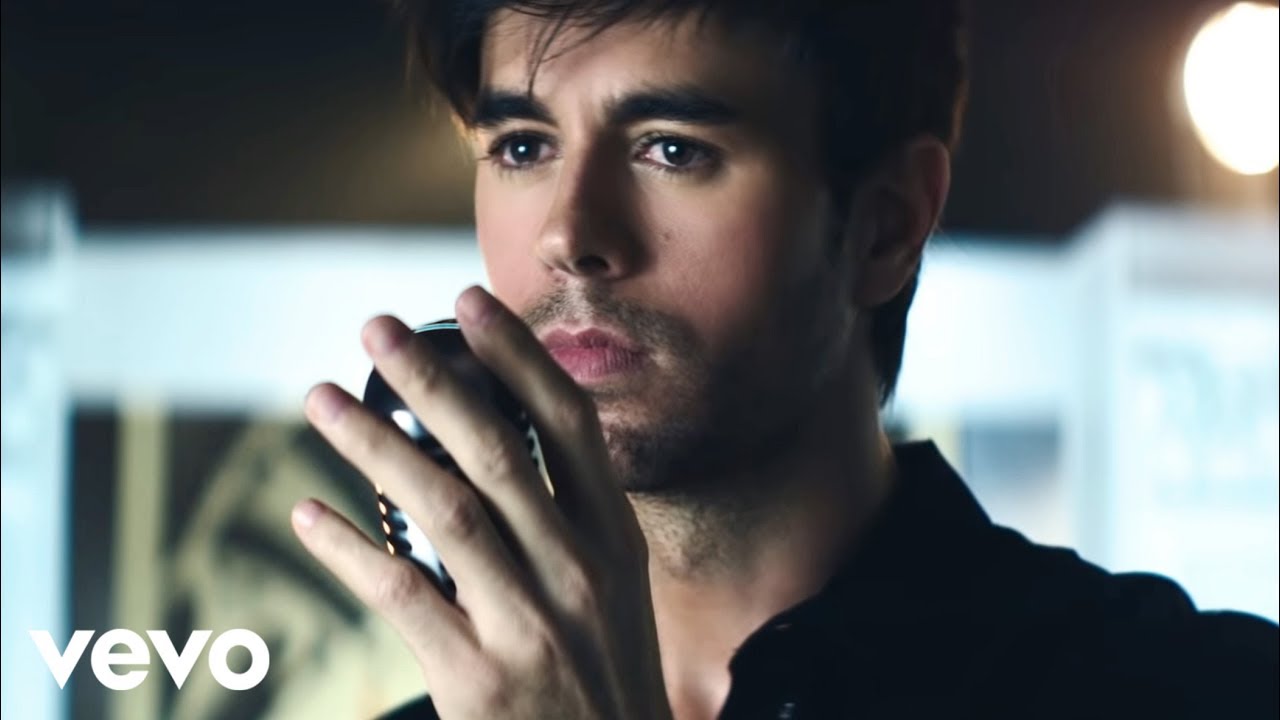
Outside the United States, the song was an outright juggernaut, topping charts across Latin America, Spain and much of Europe for months on end. The official video has since climbed past 3.8 billion views on YouTube, a number that firmly cements its place among the most-watched videos of the entire decade. For Iglesias, it was both a homecoming and a reminder of his enormous reach, and for the broader industry it was an unmistakable early signal of the Latin music explosion that would soon reshape the global charts entirely. In the years that followed, Spanish-language hits would routinely top the American chart, but in 2014 that still felt like a frontier, and this song was among the records quietly proving it could be done. Looking back, its success reads almost like a preview of the decade to come.
Press Play and Move
Some songs you analyze; this one you simply surrender to without thinking too hard. Cue it up, let that guitar figure circle around a few times, and see how long you can possibly resist the gravitational pull of that one-word chorus. The honest answer, almost always, is not very long at all.
"Bailando" — Enrique Iglesias's singular moment on the 2010s charts.
02 Song Meaning
The Meaning of "Bailando"
Strip away the irresistible rhythm and "Bailando" reveals itself as a love song about desire so intense it blurs the line between dancing and longing entirely. The lyrics use physical movement as an extended metaphor for attraction, turning the simple act of dancing with someone into a full-body expression of wanting them completely.
Dance as Desire
The central image is physical, immediate and unmistakable. The narrator describes how being near this person makes his entire body crave hers, how merely looking at her seems to slow time down and quicken his pulse all at once. Dancing here is never just dancing; it is courtship, seduction and confession all rolled into a single continuous motion. The hypnotic repetition of the title word turns ordinary desire into something almost trance-like, a state of beautiful surrender rather than a simple flirtation.
Surrender to the Moment
There is a strong sense throughout of losing control in the very best possible way. The lyrics speak of a heartbeat racing fast, of being unable to think clearly anymore, of wanting this single shared moment to stretch on and never actually end. It captures with real precision that specific euphoria of brand-new attraction, the moment when the rest of the world fades to a blur and only the other person remains in sharp focus. The music's constant swelling energy makes that overwhelming feeling tangible and physical.
Why It Resonated
Part of the song's truly universal appeal is that you do not need to understand every single word to feel its full force. The emotion lives in the melody and the rhythm just as much as it lives in the lyrics, which is precisely why it connected so powerfully with listeners far beyond the Spanish-speaking world. Desire, after all, is a language that everyone already speaks fluently from birth, no translation required. The chorus works almost like a chant, the sort of phrase a whole stadium can shout back without ever having studied a phrasebook, and that communal quality turned private longing into a shared celebration.
A Cultural Bridge
Arriving exactly when it did, the song became a small but important ambassador for Latin pop's surging global confidence. It invited millions of brand-new listeners onto the dance floor and gently reminded all of them that joy, at its purest, needs no subtitles whatsoever. The fusion of Iglesias's smooth pop instincts with the rawer Cuban energy of his collaborators created something that felt both polished and genuinely rooted, neither watered down for export nor inaccessible to outsiders. In that balance lies much of its enduring magic, the rare crossover that lost nothing in the crossing.
→ More from Enrique Iglesias Featuring Descemer Bueno & Gente de Zona
View all Enrique Iglesias Featuring Descemer Bueno & Gente de Zona hits →


→ More from the 2010s File
View all 2010s hits →



Keep digging