The 2010s File Feature
Am I The Only One
Am I the Only One: Dierks Bentley and the Conservative Voice in Country Music Dierks Bentley released "Am I the Only One" in 2011 as a single from his fifth …
01 The Story
Am I the Only One: Dierks Bentley and the Conservative Voice in Country Music
Dierks Bentley released "Am I the Only One" in 2011 as a single from his fifth studio album Up on the Ridge. However, the song itself appeared on a different project: it was actually included on his album Feel That Fire as well as later collected works, and appeared as a promotional and charting single during the period when Bentley was one of the most consistent presences on country radio. The song tapped into a strain of cultural commentary that resonated particularly strongly in the country music marketplace of the early 2010s.
Bentley, born in Phoenix, Arizona, had established himself as a reliable commercial country act from his debut in 2003. His albums consistently charted well on the Billboard Top Country Albums chart, and he generated multiple number-one singles on the Billboard Hot Country Songs chart over the course of his career, including "What Was I Thinkin'," "Come a Little Closer," and "Free and Easy (Down the Road I Go)." By 2011, he was a proven country radio commodity with a dedicated audience that had followed him through multiple album cycles.
"Am I the Only One" addressed themes of cultural dissatisfaction and the sense that traditional American values and ways of life were being lost or disrespected in the contemporary cultural environment. The song's first-person narrator expresses a sense of isolation, asking whether anyone else shares his concerns about the direction of American culture. This kind of populist cultural complaint has deep roots in country music going back decades, connecting artists as different as Merle Haggard and Toby Keith in their willingness to articulate the frustrations of a perceived mainstream American constituency that felt overlooked or criticized by coastal cultural institutions.
The production on "Am I the Only One" was handled within the Nashville country production framework of the period, featuring the combination of live instrumentation and modern production sheen that characterizes the era's commercial country output. Bentley's record label Capitol Nashville had consistently positioned him as a credible country artist with authentic roots connections, and the production on this track reflected that positioning, maintaining enough organic instrumental texture to satisfy country radio's authenticity requirements while delivering the sonic clarity demanded of modern radio production.
The single performed strongly on country radio, consistent with Bentley's established pattern of chart success. Bentley charted 24 singles on the Billboard Hot Country Songs chart over the course of his career, a record of sustained commercial viability that few country artists achieve. "Am I the Only One" was one of the tracks that contributed to this sustained chart presence, finding an audience among country listeners who connected with its cultural commentary.
The broader context of country music in 2011 was one of significant genre evolution. The period between 2011 and 2013 saw country music's mainstream commercial identity shift substantially, with the rise of what critics later labeled "bro country" changing the dominant sonic and thematic templates of the genre. Bentley's career continued through this transition, and "Am I the Only One" represented one of his more overtly political or culturally engaged moments in a catalog that more typically focused on romantic themes, outdoor lifestyle imagery, and personal narrative.
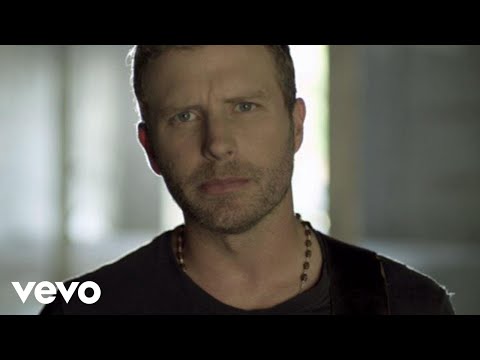
The song received a music video that reinforced its thematic content with imagery of working-class American life, military service, and small-town community, visual elements that are conventional in country music but that carry particular significance when paired with lyrics addressing cultural anxiety. This visual complement helped the song communicate effectively across the multiple platforms, from television to digital video, that were becoming increasingly important to country music promotion by 2011.
Chart performance confirmed that the song's thematic approach was well calibrated for Bentley's audience and for country radio's programming preferences during this period. The track reached the top five on the Billboard Hot Country Songs chart, adding another significant commercial achievement to a catalog that had already demonstrated sustained commercial durability across multiple album cycles and through significant shifts in the genre's mainstream aesthetic.
02 Song Meaning
The Meaning of Am I the Only One: Populist Grievance and the Country Music Identity Claim
"Am I the Only One" participates in a long tradition of country music as a vehicle for expressing the frustrations and cultural anxieties of a particular American constituency. The song's rhetorical strategy is one of collective address through individual voice: the narrator positions himself as a single figure who nonetheless speaks for a silent majority, asking whether others share his concerns about what is happening to the country and its foundational values. This strategy of positioning the individual as representative of an unacknowledged collective is a recurring technique in populist cultural expression across genres and eras.
The specific content of the song's cultural complaint belongs to a well-defined tradition in country music that stretches from Merle Haggard's "Okie from Muskogee" through Toby Keith's post-9/11 patriotic material. The tradition is characterized by a sense of grievance directed at elites, at urban cultural institutions, and at forces of cultural change that the narrator experiences as threats to a valued way of life. The emotional register is less angry than bewildered, as if the narrator genuinely cannot understand how the things he values could be so consistently disregarded or dismissed by the culture at large.
Dierks Bentley's delivery of this material is crucial to its effectiveness. His vocal style is warm rather than combative, suggesting someone genuinely puzzled and saddened by cultural developments rather than someone spoiling for a fight. This warmth is consistent with his broader public persona and distinguishes his approach to culturally engaged material from more aggressively partisan expressions of similar themes. The narrator of "Am I the Only One" is asking a genuine question, not issuing a challenge.
The song's repeated question functions as an invitation to communal identification. Country radio audiences who share the narrator's sense of cultural displacement are invited to answer the question with a resounding "no," confirming that they too share these concerns and that the narrator's isolation is an illusion created by selective cultural representation rather than a statistical reality. This rhetorical move is both comforting and galvanizing: it transforms individual grievance into collective recognition.
The imagery deployed in the song to characterize what is being lost or disrespected is deliberately conventional in the best sense: flags, faith, family, small-town community, working-class labor, and military service. These are the iconic elements of the country music identity narrative, and their invocation here is not accidental. They function as shorthand for a complete way of life that the narrator believes is being undervalued by a media and cultural establishment that does not share or respect his background and values.
Within Bentley's catalog, the song represents a relatively direct engagement with political and cultural themes that he more typically addresses obliquely or not at all. His most commercially successful material before and after this track was more personally focused, dealing with romance, lifestyle, and individual experience. "Am I the Only One" stands out as one of his more explicit engagements with the collective cultural conversation, demonstrating that his commercial instincts were flexible enough to include material that took a public position on contentious cultural questions while remaining within the bounds of what country radio would program.
→ More from Dierks Bentley
View all Dierks Bentley hits →



→ More from the 2010s File
View all 2010s hits →



Keep digging