The 2010s File Feature
I Can Take It From There
I Can Take It From There — Chris Young Chris Young had spent several years steadily building one of the most reliable careers in mainstream country music bef…
01 The Story
I Can Take It From There — Chris Young
Chris Young had spent several years steadily building one of the most reliable careers in mainstream country music before "I Can Take It From There" became a significant entry in his discography in 2013. Released through RCA Nashville as a single from his album A.M., the track arrived at a moment when Young had established himself as a dependable hitmaker with a classically oriented vocal style that drew favorable comparisons to legends of the format. His deep baritone and his commitment to traditional country song structures made him something of a counterweight to the more pop-influenced sounds that dominated the format during the early 2010s.
Young had won Nashville Star, a country music talent competition, in 2006, and his rise had been methodical and sustained rather than meteoric. He had scored multiple number-one hits on the Country Airplay chart by the time "I Can Take It From There" was released, and each success had reinforced the impression of an artist who understood the genre's commercial and aesthetic requirements with unusual clarity for someone of his age. RCA Nashville had supported him consistently across multiple album cycles, recognizing that his appeal to core country listeners was genuine and durable.
The production of "I Can Take It From There" fit squarely within Young's established sonic identity. The arrangement featured the kind of restrained but emotionally assured country production that respected the precedents of George Strait and Randy Travis without simply copying them. Live-sounding drums, clean electric guitar tones, and carefully deployed pedal steel contributed to a track that felt both contemporary and genuinely rooted in the genre's traditions. Young's vocal performance was, as always, the central focus, and the production wisely served the voice rather than competing with it.
The thematic territory of "I Can Take It From There" concerned romantic confidence and the willingness of a man to step forward and take responsibility for a relationship's direction. The song reached the top five on the Billboard Country Airplay chart, continuing Young's streak of strong commercial performances on the radio format that had always been the primary engine of his career. Country radio responded reliably to his work because he consistently delivered what the format's core audience wanted: emotional honesty, vocal authenticity, and production that understood the difference between modern and modernized.
The A.M. album from which the single was drawn was received warmly by both critics and fans who appreciated Young's commitment to a sound that was becoming increasingly rare in a Nashville ecosystem pulled toward production excess and pop crossover ambition. In the broader context of 2013 country music, where the bro-country movement was reaching its commercial apex, Young's more traditional approach occupied a distinct and valued niche. Radio programmers who needed balance in their playlists turned to artists like Young to provide the genre credibility that more aggressively contemporary acts could not.
Young had co-written many of his biggest hits, but "I Can Take It From There" came from outside collaborators who had provided material precisely calibrated to his strengths. Nashville's songwriting community understood what worked for Chris Young, and the selection of material for his singles reflected both his own good taste and the expertise of his production and management team in identifying songs that would maximize his assets. RCA Nashville's A&R operation worked closely with Young throughout the album cycle to ensure that the singles represented his voice at its most compelling.
The promotional campaign for "I Can Take It From There" included radio tours, media appearances, and the performance schedule that was standard for RCA Nashville's roster. Young's live performances reinforced the single's appeal by demonstrating that the recorded version was not the product of studio manipulation but of a genuinely exceptional natural voice. That congruence between studio and live performance was a crucial element of his credibility with fans who valued authenticity as the primary criterion for country music quality.
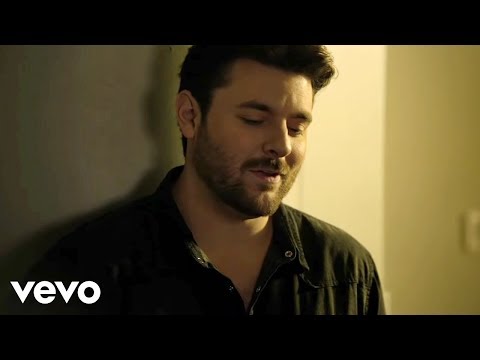
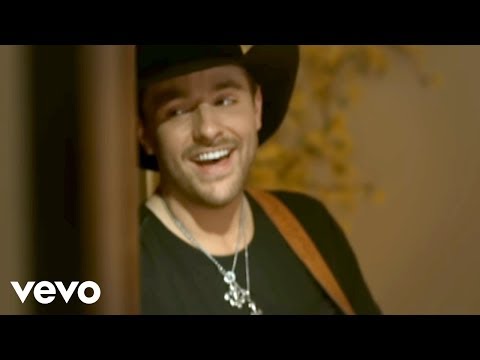
Music video production for the single received country cable rotation, and the visual treatment was consistent with the emotional tone of the song: warm, earnest, and devoid of the irony or self-conscious stylization that had crept into some of the more pop-oriented country videos of the era. The video reinforced Young's image as a straightforward, emotionally available romantic lead, a persona that distinguished him in a landscape where male country artists were often presented in more detached or performatively masculine modes.
The song's performance on digital platforms including early streaming services supplemented its radio success and indicated that Young's audience was engaged enough to seek out his music proactively rather than simply consuming it passively through radio. That active engagement was a sign of the genuine fan loyalty he had built through consistent quality across multiple album cycles. In the narrative of his career, "I Can Take It From There" represents one of the cleaner executions of his core artistic identity, a song that worked because every element was aligned with what he did best.
02 Song Meaning
What "I Can Take It From There" Says About Romantic Agency
"I Can Take It From There" occupies a specific emotional position in the country music tradition of romantic declaration. The central assertion of the song is not merely affection but readiness, a willingness to take active responsibility for guiding a relationship forward. The narrator presents himself as someone who has read the situation clearly and understood that the moment calls for decisive action rather than continued passivity. That quality of attentive response, the recognition of a moment and the courage to meet it, is the song's core emotional offer.
Chris Young's vocal delivery transforms what could be a simple declaration into something more nuanced. His deep baritone carries authority naturally, but the way he inhabits the song's emotional content suggests a man who is confident without being arrogant, willing without being pushy. The distinction between assertiveness and aggression in romantic country songs of the early 2010s was not always handled with care, but "I Can Take It From There" navigates that territory with the kind of emotional intelligence that distinguished Young's best work from more conventionally masculine country performances of the same period.
The song's appeal to country radio's core female audience was rooted precisely in this emotional balance. The narrator is not demanding or entitled. He is offering. The framing of taking it from there suggests a collaborative dynamic in which one partner recognizes that the other needs support and steps forward to provide it. That reading of romantic partnership as shared labor, as something requiring both individuals to recognize moments and respond to them, reflects a more mature emotional vision than the simple courtship narratives common in country singles of the era.
In the context of Chris Young's broader catalog, the song fits a consistent thematic pattern in his work, one that emphasizes emotional depth over surface romanticism. Young's most successful singles have consistently rewarded listeners who attend to the emotional specificity beneath the commercial surface, and "I Can Take It From There" is an example of that quality operating at a high level. The song does not simply celebrate romantic feeling. It proposes a specific model of how romantic feeling should operate between two people, one rooted in attentiveness, readiness, and genuine care for the other person's needs.
The traditional country production framing reinforces these thematic qualities. The restrained, live-sounding arrangement refuses the kind of production excess that might aestheticize the song's emotion into something more decorative than felt. The relative sonic modesty of the production creates space for the lyrical and vocal content to carry the full weight of the track's meaning, a structural choice that itself mirrors the song's thematic commitment to genuine emotional presence over performance. What the song means, finally, is what it does: it models the kind of quiet, confident attentiveness it describes.
→ More from Chris Young
View all Chris Young hits →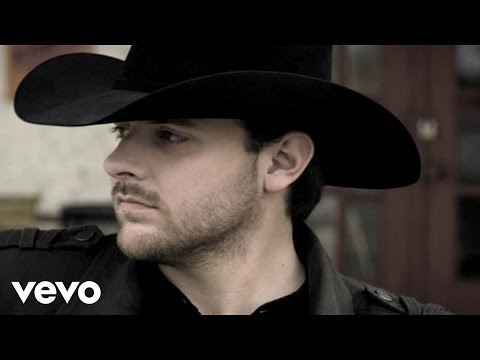


→ More from the 2010s File
View all 2010s hits →



Keep digging