The 2010s File Feature
Don't
Don't: Bryson Tiller and the RB breakthroughs of 2015 and a track that established Louisville, Kentucky's Tiller as a major new voice in contemporary RB and …
01 The Story
Don't: Bryson Tiller and the R&B Breakthrough of 2015
"Don't" by Bryson Tiller was one of the most significant R&B breakthroughs of 2015 and a track that established Louisville, Kentucky's Tiller as a major new voice in contemporary R&B and trap soul. The song was originally self-released by Tiller in August 2014 as a SoundCloud upload before its commercial viral spread attracted label attention. After signing with RCA Records, the track received formal major-label distribution and became a chart success on the Billboard Hot 100, where it reached a peak of number 13. The track also reached number one on the Billboard R&B/Hip-Hop Songs chart, cementing its status as one of the definitive R&B singles of its year.
The production was handled by Bryson Tiller himself alongside producer Manny, with the writing credit similarly belonging to Tiller, whose full name is Bryson Djuan Tiller. The song was released as part of his debut album T R A P S O U L, issued through RCA Records in October 2015. The album title was Tiller's own coinage, combining the trap production aesthetic that had come to define contemporary hip-hop production with the emotional vulnerability and melodic sophistication associated with traditional R&B soul music. The coinage worked: "trap soul" entered music criticism as a genre descriptor that was widely applied to the wave of artists who followed in Tiller's commercial wake.
The trajectory of "Don't" from SoundCloud upload to major-label chart hit followed a pattern that was becoming increasingly common in the mid-2010s but that Tiller executed with unusual effectiveness. The original recording generated hundreds of thousands of plays organically, driven by word-of-mouth sharing among R&B listeners who found the combination of his falsetto-led melodic performance, the track's emotionally raw lyrical content, and its production aesthetic genuinely novel. The SoundCloud-to-major-label pathway was one that the music industry was still learning to navigate, and "Don't" became one of the case studies that demonstrated how thoroughly internet-native music discovery had disrupted the traditional A&R model.
The T R A P S O U L album debuted at number 14 on the Billboard 200 and climbed over subsequent weeks as word of mouth continued to expand Tiller's audience. The album's combination of intimate production, confessional lyrical content, and Tiller's distinctive vocal approach, which drew comparisons to Drake in its combination of singing and spoken-word delivery within verses, positioned it as one of the year's most critically discussed R&B debut releases. T R A P S O U L was certified Platinum by the RIAA, a certification that reflected the sustained commercial engagement the album maintained across an extended chart run rather than a single massive debut week.
At the 2016 BET Awards, Bryson Tiller won the award for Best New Artist, a recognition that formalized what the charts had already suggested: that he had arrived as one of R&B's most commercially significant new voices. The awards recognition extended to the BET Hip Hop Awards and other ceremonies focused on Black American music, confirming the breadth of the institutional appreciation the record had generated across different segments of the industry.
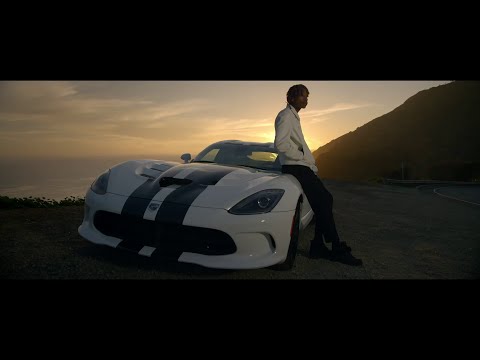
The music video for "Don't" was consistent with the intimate aesthetic the track established sonically. Rather than the high-production visual spectacle that major labels often imposed on breakout artists receiving significant marketing investment, the video maintained a visual language closer to what the track's SoundCloud origins had suggested: something personal, emotionally direct, and resistant to the kind of glossy inauthenticity that could undermine the trust Tiller had established with the audience that had discovered him before he was a commercial prospect.
The lyrical content of "Don't" dealt with the specific emotional territory of watching someone you care about in a relationship that is harming her, combined with frustration at the constraints that prevent direct intervention. This territory was not new to R&B, but Tiller's approach to it was unusually specific and emotionally detailed, which gave the track a quality of personal confession rather than genre exercise. The critical language around it consistently noted that the song felt lived-in, as though it had been extracted from actual experience rather than assembled from genre conventions.
Bryson Tiller's success with "Don't" and T R A P S O U L opened commercial and creative space for a generation of R&B artists who worked in adjacent sonic territories. Artists including H.E.R., Daniel Caesar, and Summer Walker all emerged in subsequent years working in modes that shared aesthetic DNA with what Tiller had established on the album. The trap soul designation became a genuine genre category with its own streaming playlist infrastructure, curatorial attention, and audience, all of which had been substantially catalyzed by the commercial success of "Don't" and the project it anchored.
The song's continued streaming performance in the years following its chart peak reflected the kind of catalog durability that distinguishes tracks with genuine emotional resonance from those whose success was primarily driven by promotional activity. "Don't" continued to accumulate streams well into the 2020s, crossing the billion-stream threshold on Spotify and maintaining its position as the track most closely identified with Tiller's artistic identity even as he released additional albums. For RCA Records, the signing that the song's SoundCloud success had prompted became one of the label's most commercially successful acquisitions of the decade's middle years.
02 Song Meaning
The Meaning Behind "Don't": Restraint, Longing, and the Ethics of Romantic Intervention
"Don't" by Bryson Tiller occupies a specific emotional position that gives it its distinctive character: the narrator is not the protagonist of a love story in progress but the witness to one that is going wrong, a person with feelings for someone who is being hurt by a relationship the narrator is not part of. The song's central instruction, delivered in the title and repeated throughout, is directed at the person causing harm: don't do this to her. The moral weight of that address, combined with the personal investment of someone who cares for the person being hurt, creates a triangular emotional dynamic that is more complex than the straightforward declaration of love or desire that most R&B operates within.
The lyrical content is specific about the nature of the situation. The narrator knows what this woman deserves. He has been watching her be undervalued, disrespected, or neglected, and the frustration of seeing that while being unable to intervene without crossing social and relational boundaries is what generates the song's emotional tension. There is both desire and ethics in play simultaneously: the desire to have and protect someone, and the awareness that acting on that desire requires waiting for the existing relationship to fail on its own terms. The song refuses to pretend those two things are easily reconciled.
The production aesthetic that Tiller developed for the track, rooted in what he would term trap soul, serves the thematic content precisely. The dark, minor-key melodic framework, the trap percussion, and the intimate vocal delivery combine to create a sound that feels like late-night confession rather than public performance. The intimacy of the production mirrors the intimacy of the emotional content: this is not a song for an audience. It is a message directed at specific people about a specific situation, and the listener is permitted to overhear it.
Tiller's vocal approach on the track drew on both singing and spoken cadences in a way that reflected the influence of Drake's melodic rap style while being rooted in a more traditional R&B framework. The combination was novel enough in its specific execution that it generated genuine critical attention, and the comparison to Drake was made frequently in early reviews, though Tiller's emotional register was generally noted as more explicitly romantic and less ironic than Drake's default mode. The comparison was useful as a commercial reference point but insufficient as a full description of what made Tiller's approach distinctive.
The song's long-term streaming success, crossing one billion Spotify streams years after its initial release, reflects something important about the kind of emotional content it addresses. Songs about the specific texture of longing from the outside, about caring for someone who is with someone else, have a durability that more situationally specific emotional content sometimes lacks. The feeling the song describes is one that a significant portion of the population has experienced at some point, and music that captures a familiar feeling with unusual precision tends to be returned to long after its initial moment of chart relevance has passed.
The ethical dimension of "Don't" is worth dwelling on. The narrator is not simply expressing desire; he is making a moral argument. The person he cares for is being mistreated, and his intervention, framed as an instruction to the person causing harm, is as much about her wellbeing as about his own wishes. This combination of desire and ethics, of wanting someone and believing she deserves better, is one that Bryson Tiller articulates with enough specificity to feel genuine rather than strategic. That quality of genuineness, arriving in a genre that listeners had become accustomed to receiving in more polished and less vulnerable forms, was a significant part of what made the track resonate as broadly as it did when it first emerged from SoundCloud into the wider world.
→ More from the 2010s File
View all 2010s hits →



Keep digging