The 2010s File Feature
Wanna Be That Song
"Wanna Be That Song" — Brett Eldredge and the Art of the Country Love Metaphor Nashville's Craft Tradition in the 2010s Country music in 2016 was navigating …
01 The Story
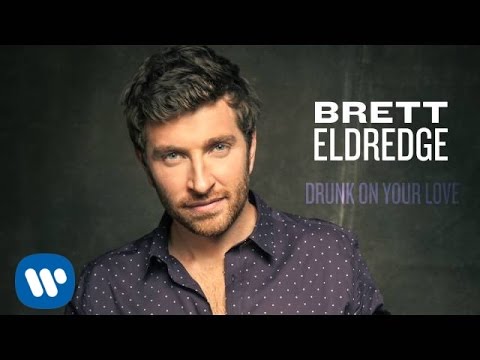
"Wanna Be That Song" — Brett Eldredge and the Art of the Country Love Metaphor
Nashville's Craft Tradition in the 2010s
Country music in 2016 was navigating a complex creative moment. The bro-country wave that had dominated the first half of the decade, with its insistent emphasis on trucks, tailgates, and simplified rural imagery, was beginning to recede, and artists with a more traditional songcraft orientation were finding renewed room on radio playlists. Into this opening stepped Brett Eldredge, a Jacksonville, Illinois, native with a warm baritone voice and a sensibility shaped more by classic country and pop crooner traditions than by the muscular production approach that had defined the mid-decade mainstream. His timing, as it turned out, was excellent.
An Elegant Songwriting Conceit
Wanna Be That Song is built around a central metaphor that demonstrates the kind of songwriting craft Nashville has long cultivated: the narrator expresses his devotion to someone by describing his wish to become a song in her life, the specific song she turns to during particular emotional moments. The conceit is romantic without being saccharine, clever without being arch. The specificity of the images that fill out this metaphor, the idea of music as the container for emotion and memory, gave the song a particular resonance with an audience that tends to have deep, personal relationships with specific songs and what those songs represent in their own life stories. It was a smart observation about how music actually works in people's emotional lives.
Production and Voice
The track's production suited Eldredge's voice with evident care. Eldredge's baritone is a relatively uncommon instrument in contemporary country radio, which has trended toward higher-register tenors and pop-influenced vocal styles. The production gave his voice the space it needed to register as warm and intimate rather than overwhelming. The arrangement had a classic quality, restrained enough to let the lyrical conceit do its work without competing with the vocal performance, but polished enough to sit comfortably on modern radio. This balance between the classic and the contemporary has always been one of the more difficult achievements in country music, and the track managed it effectively.
A Sustained Chart Campaign
The commercial trajectory of Wanna Be That Song was built on patience rather than immediacy. The single entered the Billboard Hot 100 on October 22, 2016, at position 98, and then climbed steadily over the following months through 93, 76, and beyond. Country singles often follow long chart trajectories as radio stations across the format's extensive regional network adopt them sequentially rather than simultaneously. The track reached its peak position of number 46 on January 21, 2017, after 20 weeks on the chart. That 20-week run reflected the kind of sustained radio saturation that country hits of this period typically required, and the peak in the mid-40s represented genuine mainstream crossover penetration beyond the country-specific chart where the song presumably fared even better.
Eldredge's Place in the Landscape
Brett Eldredge built a consistent career through the 2010s as one of Nashville's more artistically interesting commercial acts, and Wanna Be That Song represents a high point in that career's first phase. The song's approach, combining classic country craftsmanship with a production sensibility that acknowledged contemporary taste, placed him in a tradition of country artists who have managed to respect what came before them while remaining commercially relevant in their own moment. His Christmas recordings and his subsequent albums demonstrated a range that extended beyond the country radio mainstream, and the song served as an effective introduction to his capabilities for listeners encountering him for the first time.
Play Wanna Be That Song and you hear what Nashville's craft tradition sounds like when it connects with a genuinely resonant central idea and a voice capable of delivering it with warmth and conviction.
"Wanna Be That Song" — Brett Eldredge's singular moment on the 2010s charts.
02 Song Meaning
"Wanna Be That Song" — Music as Memory, Love, and the Architecture of Feeling
The Central Insight
The premise of Wanna Be That Song rests on an observation about human psychology that most listeners will immediately recognize as true from their own experience: certain songs become inextricably linked to specific emotional states, memories, and phases of life. The song in your head during a particular moment of joy or sorrow does not simply accompany the feeling; it becomes a permanent part of how you store and retrieve it. The narrator's wish to occupy that position in the life of someone he loves, to be the song she reaches for in her most emotionally charged moments, is a romantic gesture that communicates both devotion and understanding of how people actually work.
Emotional Cartography Through Music
Country music has a long tradition of using specific, concrete imagery to convey emotional states that might otherwise resist description, and Wanna Be That Song extends this tradition into the domain of music itself as subject matter. The song maps different emotional territories by describing different musical situations: the song that provides comfort in loss, the song that accompanies celebration, the song that serves as the private soundtrack for falling in love. This emotional cartography using music as the navigational system invites listeners to do the associative work themselves, mentally populating the song's categories with their own examples, which produces the particular intimacy that distinguishes the best country love songs from more generic romantic material.
The Meta-Dimension of the Lyric
There is a pleasingly recursive quality to Wanna Be That Song as an artifact: a song about wanting to be a meaningful song, which is itself attempting to become a meaningful song in the lives of its listeners. This is not merely a clever trick; it creates a genuine emotional feedback loop in which the song's success at achieving its stated goal and its thematic content become the same thing. If the song succeeds in becoming the track a listener associates with falling in love, it has literally accomplished what its narrator describes hoping for, which gives the central conceit an unusual degree of integrity.
Romantic Devotion Without Cliche
Love songs face the challenge of expressing feelings that have been expressed countless times before without resorting to formulas so worn that they communicate nothing. The music-as-metaphor approach of this song provides a fresh vehicle for genuinely traditional sentiments: wanting to be indispensable to someone, wanting to be present at the significant moments of another person's life, wanting love to be permanent enough to become part of the other person's most enduring experiences. Eldredge's vocal delivery conveys genuine feeling rather than polished performance, which keeps the sentiment grounded in authentic emotion despite the cleverness of the central device.
Country's Relationship with Memory
Country music has always been unusually attentive to the role of memory in emotional experience, and this song participates in that tradition while giving it a specific and contemporary inflection. The songs we associate with our most important memories are not randomly assigned; they are accidents of timing, context, and the particular emotional openness of a given moment. The narrator's wish to be that accidental soundtrack is a recognition of how love actually works in time: not as a single declaration but as an accumulation of small moments when presence and music and feeling intersect to produce something that lasts.
→ More from Brett Eldredge
View all Brett Eldredge hits →


→ More from the 2010s File
View all 2010s hits →



Keep digging