The 2010s File Feature
River Bank
"River Bank" — Brad Paisley and the Pastoral Summer of 2014 Country Music's Summer in the Sun The summer of 2014 had a particular feel in country music. The …
01 The Story
"River Bank" — Brad Paisley and the Pastoral Summer of 2014
Country Music's Summer in the Sun
The summer of 2014 had a particular feel in country music. The genre was riding a wave of bro-country excess, filled with trucks, tailgates, and algorithmically assembled images of rural leisure. Within that context, Brad Paisley had a specific kind of standing: a guitarist of genuine virtuosity and a songwriter with enough wit and heart to transcend the formula even when he was working adjacent to it. "River Bank" arrived in that landscape as a song that understood the conventions of the summer country anthem and deployed them with enough sincerity that the result felt earned rather than calculated.
Roots in Real Joy
Paisley co-wrote "River Bank" with Chris DuBois and Kelley Lovelace, the longtime collaborators who had been part of his creative core for years. The three of them had a track record of finding emotional truth inside familiar country subjects, and "River Bank" is a good example of that skill. The song is set on a lazy summer afternoon at a swimming hole, built around the kind of specific geographic memory that anchors country music at its best. The production, released through Arista Nashville, keeps the arrangement roomy and warm, with Paisley's guitar work given enough space to breathe without overwhelming the pastoral mood the lyric establishes.
The Chart Journey
Released as a single in the spring of 2014, "River Bank" made its Billboard Hot 100 debut on May 24, 2014, entering at number 88. It climbed gradually over the following weeks, moving through the 80s and 70s as country radio warmed to it. The track peaked at number 54 on August 23, 2014, spending eighteen weeks on the Hot 100 in total. On the country charts, where it was primarily competing, the song performed significantly better, as Brad Paisley remained one of country music's most reliable radio presences throughout this period. The eighteen-week Hot 100 run demonstrated crossover appeal that more polarizing country singles rarely achieved.
Brad Paisley's Place in the Moment
By 2014, Paisley had navigated the post-"Accidental Racist" controversy of the previous year with characteristic directness and was channeling his energy back into uncomplicated craft. "River Bank" was part of the album Moonshine in the Trunk, which he released later that year. Paisley had always been skilled at balancing humor and sentiment, and the album reflected that sensibility. "River Bank" represented the sentimental half of that balance, a song that asked listeners to set down whatever complicated feelings they carried about the summer and just float downstream for three minutes. In the context of 2014 country radio, where so many songs were trying to manufacture that exact feeling through sheer formula, Paisley's version had the advantage of sounding like it came from somewhere real.
The Guitar That Holds It Together
No accounting of "River Bank" would be complete without mentioning Paisley's playing. He is one of the finest guitarists working in any popular genre, and even in a relaxed, summery production context, his instincts for when to step forward and when to stay out of the way are exceptional. The guitar tone on "River Bank" is warm and unhurried, matching the lyric's invitation to slow down with a sonic texture that actually delivers on that promise. It is the kind of playing that rewards listeners who come back to the track after the initial sing-along appeal has settled; there are choices in the arrangement and solos that reveal more on repeated listening. Give it another spin when the afternoon has nowhere urgent to go, and the river bank will feel very close indeed.
"River Bank" — Brad Paisley's singular moment on the 2010s charts.
02 Song Meaning
"River Bank" — Leisure, Memory, and the Country Summer as Sacred Space
The Swimming Hole as American Myth
Country music has always understood that certain physical spaces carry a disproportionate emotional charge. The swimming hole, the river bank, the creek behind the house: these are places where childhood summers concentrate in memory, where time moves differently, where the social hierarchies of ordinary life temporarily dissolve. "River Bank" draws on that tradition with full awareness of what it is doing. The setting Brad Paisley describes is specific enough to feel real but familiar enough to trigger the listener's own comparable memories, whatever form those take. The river bank as a site of leisure and freedom is one of country music's oldest recurring images, and the song earns its use of that image by committing to the details.
Simplicity as a Deliberate Choice
In a mid-2010s country landscape dominated by tracks that competed to stack the most signifiers of rural fun into four minutes, "River Bank" makes the quieter argument that one setting, rendered with care, is more evocative than a dozen. The song does not need a bonfire, a dirt road, a field party, and a red Solo cup to make its case. It stays at the water's edge and lets that image do all the work. The restraint in the lyric's scope is what gives the track its sense of genuine leisure; a song that breathlessly catalogues every possible country pleasure does not actually feel relaxing, while a song about sitting still by moving water does.
Summer as Emotional Refuge
The emotional argument of "River Bank" is not complicated, but it is sincere. The narrator invites someone to leave behind the weight of the week, the stress of whatever is pressing, and spend an afternoon at the water. The song frames that invitation as a form of care, a recognition that the person you love needs rest as much as they need excitement. The tenderness in that framing distinguishes the track from the more assertive posture of many contemporary country songs, where the narrator is usually showing off rather than offering shelter. Paisley and his co-writers gave this song a warmth that feels more genuinely relational.
Why It Resonated with Listeners
The eighteen-week Hot 100 run reflects a particular kind of staying power: not the explosive debut of a viral moment, but the gradual accumulation of plays from people who kept returning to the song throughout a summer. "River Bank" works as background music for actual afternoons at actual bodies of water, and it works as a memory trigger in January when those afternoons feel very far away. Its seasonal specificity is also its cross-seasonal durability; summer songs that capture the feeling accurately become nostalgia objects the moment the weather changes. That pattern has kept "River Bank" in rotation well past its chart window, which is ultimately the measure of a song that delivered on its promise.
→ More from Brad Paisley
View all Brad Paisley hits →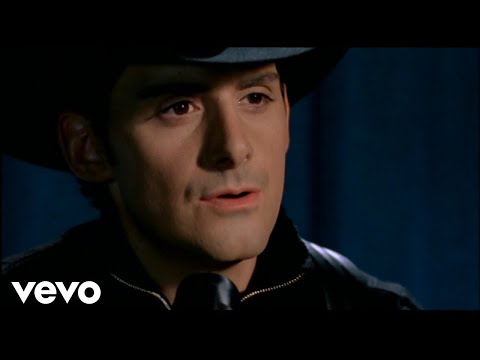


→ More from the 2010s File
View all 2010s hits →



Keep digging