The 2010s File Feature
Every Time I Hear That Song
Every Time I Hear That Song: Blake Shelton's Nostalgic Country Hit and Its 2017 Chart Run "Every Time I Hear That Song" arrived in 2017 as one of the more em…
01 The Story
Every Time I Hear That Song: Blake Shelton's Nostalgic Country Hit and Its 2017 Chart Run
"Every Time I Hear That Song" arrived in 2017 as one of the more emotionally direct entries in Blake Shelton's extensive catalog of country chart successes. The track, released through Warner Bros. Nashville, engaged with one of country music's most reliable and resonant preoccupations: the way a particular song can function as an involuntary time machine, transporting the listener back to a specific emotional moment with an immediacy that rational memory cannot replicate. The subject matter was perfectly calibrated to Shelton's persona as a performer who specialized in connecting with mainstream country audiences through material that felt universally experienced rather than artistically exclusive.
Blake Shelton had by 2017 established one of the most commercially durable careers in contemporary country music, accumulating a remarkable number of number-one singles across more than fifteen years of chart activity. His move to NBC's "The Voice" as a coach had expanded his visibility well beyond the traditional country music audience, bringing him to the attention of viewers who might not have sought out country radio but who encountered his persona through the talent competition format. This expanded profile gave his recordings an unusual degree of mainstream media coverage that benefited his chart performance throughout the mid-2010s.
The song was co-written by Shelton alongside Jessi Alexander and Rhett Akins, a collaboration that brought together Shelton's instinct for material that fit his voice and persona with the professional songwriting expertise of two Nashville figures whose credentials were well established. Jessi Alexander had contributed to major hits across multiple genres, while Rhett Akins had built an impressive track record as both a performer and a songwriter in country music. The combination produced a lyric that felt personal and authentic while meeting the structural and melodic requirements of mainstream country radio.
The production, handled with an eye toward the contemporary country sound of the mid-2010s that balanced traditional instrumentation with modern production values, placed Shelton's voice in a context that emphasized warmth and accessibility. The sonic choices reflected the lesson that Shelton and his creative collaborators had learned from more than a decade of chart competition: that the most effective production for his voice was one that supported rather than competed with the emotional directness of the lyrics.
The single entered the Billboard Hot Country Songs chart and achieved a top ten position, continuing the consistent chart performance that had defined Shelton's career since his debut in the early 2000s. The track received strong airplay across the country radio format, where programmers responded to its familiar emotional territory and the reliability of Shelton as a commercial quantity. His ability to deliver consistent chart results had made him one of the format's most trusted performers from the perspective of radio programmers making decisions about playlist inclusion.
The song's subject matter, the involuntary emotional recall triggered by music, had been explored in country songs throughout the genre's history, from the earliest days of recorded country to the most contemporary productions. What distinguished the Shelton recording was its specificity of emotional detail and the conviction of his vocal performance, which communicated genuine feeling for the experience being described. Shelton had lived through significant personal changes in the years preceding the song's release, and the emotional territory of memory and loss it engaged with was not merely professional material but something that connected to his actual biography.
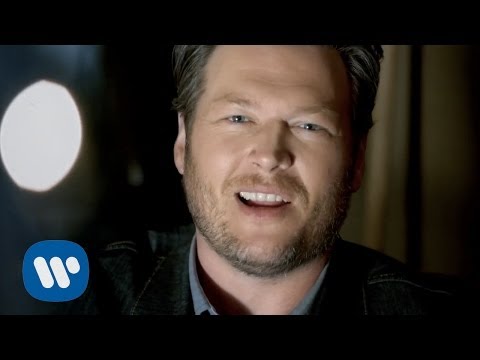
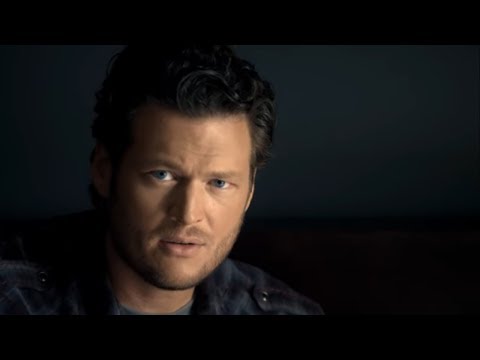
The accompanying music video extended the song's nostalgic narrative with visual storytelling that reinforced the emotional content of the lyric, providing a visual framework that country video programmers and streaming platforms could use to amplify the track's impact. Video has remained an important element of country music marketing even as the broader music industry has shifted away from traditional video channels, and Shelton's team consistently produced visual content that served the promotional needs of his recordings.
Critical reception acknowledged the song's effectiveness within its genre parameters, recognizing that Shelton was performing the kind of emotionally direct, technically accomplished mainstream country for which his voice and persona were ideally suited. The song did not attempt to redefine country music or push the genre in new directions; instead, it demonstrated what thoughtful, well-executed mainstream country could achieve within its own established conventions.
Shelton's decade-long tenure on "The Voice" running concurrently with his recording career created an unusual dynamic in which his music releases were supported by a continuous television presence that most recording artists could not access, and "Every Time I Hear That Song" benefited from this promotional infrastructure. The cross-promotion between his network television profile and his country music output was a significant commercial advantage throughout this period of his career.
02 Song Meaning
Music as Memory Trigger: The Emotional Territory of "Every Time I Hear That Song"
"Every Time I Hear That Song" engages with one of the most well-documented and universally experienced phenomena in human psychology: the capacity of music to trigger involuntary autobiographical memory with an intensity that other sensory cues rarely match. The song does not merely describe this experience; it performs it, inviting listeners to engage with their own repositories of music-linked memory while listening to a new piece of music that may itself eventually acquire similar associative power.
The lyrical premise is one that country music has returned to repeatedly throughout its history, for good reason. The genre's audience tends to be deeply emotionally engaged with music as a carrier of personal history, and the idea that a particular song can return you instantly to a specific moment, a specific person, a specific feeling that rational memory can only approximate, speaks directly to the way country audiences experience their relationship with music. Blake Shelton's vocal performance situates this universal experience in the specific emotional context of romantic memory, giving the psychological phenomenon a narrative container that makes it emotionally accessible.
The song's structure mirrors the experience it describes. The involuntary quality of the memory trigger is communicated through a certain inevitability in the melodic and lyrical construction, a sense that the narrator cannot help but be transported regardless of whether the journey is welcome. This quality of compelled memory, of being overtaken by the past rather than choosing to visit it, is central to the song's emotional resonance. It describes not nostalgia in the passive sense but something more active and less controllable.
Country music's relationship with the past has always been complex, simultaneously celebrating memory and mourning what has been lost, finding beauty in what was while acknowledging that it cannot be recovered. "Every Time I Hear That Song" operates within this tradition without attempting to resolve its fundamental tension. The song does not conclude that the memories are good or bad, that the relationship remembered was worth having or best forgotten; it simply acknowledges that the music brings it back, and that this is both the gift and the burden of a life spent listening.
The co-writing contribution of Jessi Alexander and Rhett Akins brought professional craft to material that Shelton's personal experience gave emotional grounding. This division of labor, between the structural intelligence of professional songwriting and the interpretive authenticity of an artist performing material that connects to his actual life, is one of country music's most productive creative dynamics and one that has generated many of the genre's most enduring recordings.
For Shelton's audience in 2017, the song also functioned as a form of emotional permission: permission to be affected by music, to take seriously the emotional connections that particular songs encode, to acknowledge that a three-minute recording can carry the weight of entire relationships and entire chapters of a life. This validation of music's emotional power as a subject for country songs is itself a meaningful gesture, confirming that what listeners already know from experience, that music matters in profound and sometimes unexpected ways, is worthy of artistic attention and expression.
→ More from Blake Shelton
View all Blake Shelton hits →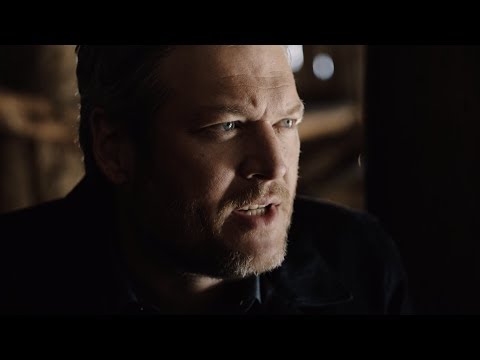
→ More from the 2010s File
View all 2010s hits →




Keep digging