The 2010s File Feature
Bounce Back
Bounce Back — Big Sean: History Big Sean had spent the years since his GOOD Music signing building a reputation as one of the more technically skilled rapper…
01 The Story
Bounce Back — Big Sean: History
Big Sean had spent the years since his GOOD Music signing building a reputation as one of the more technically skilled rappers in contemporary hip-hop, known for his quick wit, internal rhyme schemes, and an ability to craft hooks that could hold their own alongside the melodic sensibilities dominating mainstream rap in the mid-2010s. "Bounce Back," released in October 2016, represented a commercial and artistic breakthrough that consolidated his position as a genuinely major commercial force rather than simply a reliable mid-tier presence. The song became one of the defining hip-hop tracks of its release period and demonstrated that Big Sean's capabilities as a recording artist had caught up with the technical skills that rap critics had been noting for years.
The song was released through GOOD Music and Def Jam Recordings as the lead single from his fourth studio album, I Decided, which followed in February 2017. The lead single strategy placed enormous pressure on "Bounce Back" to establish the commercial and critical context for the album, and the song delivered spectacularly on that expectation. Its combination of a sample-driven production, a melody-adjacent delivery in the chorus, and lyrical content centered on resilience and self-belief created a listening experience that was simultaneously radio-friendly and substantive enough to generate genuine critical engagement.
The production was built around a sample from "I've Got to Use My Imagination" by Gladys Knight and the Pips, a 1973 soul classic whose melodic richness provided the foundation for the track's instantly recognizable chorus section. The sampling reflected production trends that had been defining hip-hop radio since the early 2010s, where the incorporation of classic soul and R&B material into contemporary productions created a quality of immediate familiarity that accelerated audience attachment. The choice of Gladys Knight material specifically brought a specific quality of soulful resilience to the track that aligned perfectly with the lyrical theme of recovering from setbacks and building confidence from difficult experience.
On the Billboard Hot 100, "Bounce Back" reached number five, giving Big Sean his highest-charting solo single to that point in his career. The song spent an extended period in the top ten and top twenty of the chart, demonstrating the kind of sustained commercial momentum that distinguishes genuine hits from brief peaks. Its performance on the Hot Rap Songs and Hot R&B/Hip-Hop Songs charts was similarly strong, confirming that the song had penetrated multiple listener demographics rather than relying on a single audience segment for its numbers.
The song was certified multi-platinum by the RIAA, reflecting streaming and sales figures that placed it among the most commercially successful recordings of Big Sean's career. In the streaming era, multi-platinum certification required extraordinary aggregate listening figures, and the certification confirmed that "Bounce Back" had achieved the kind of genuine cultural penetration that only the most resonant popular songs achieve. The song was regularly included in year-end best-of lists for 2016, confirming that its impact extended beyond raw commercial metrics into the realm of genuine cultural significance.
Big Sean's lyrical performance on "Bounce Back" was widely cited as among the most confident and focused of his career to that point. The song's central theme, the narrator's ability to recover from public setbacks and personal difficulties and return to a position of strength, aligned with the public perception of Sean Anderson as an artist who had faced skepticism about his long-term commercial viability and had answered that skepticism with sustained chart performance. The autobiographical dimension gave the song an additional layer of resonance, positioning the commercial achievement of the track as itself evidence of the resilience the lyrics described.
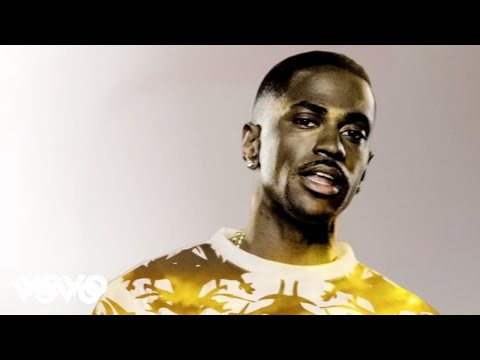
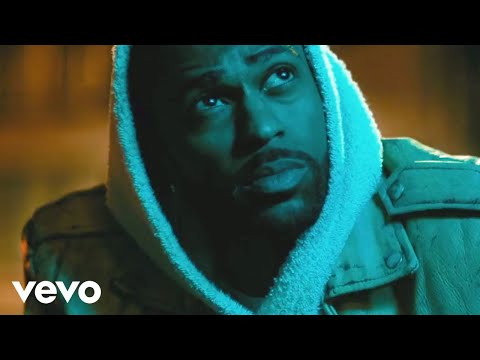
The music video for "Bounce Back" was directed with a visual sensibility that matched the confidence and energy of the track, and it accumulated substantial viewership on YouTube in the weeks and months following release. The visual elements reinforced the lyrical themes while adding the kind of aesthetic dimension that music video had always provided as a complement to audio recordings in the commercial music landscape. The video's performance contributed to the song's overall cultural footprint during its commercial peak.
I Decided, the album that followed "Bounce Back," debuted at number one on the Billboard 200, confirming that the single had successfully generated the commercial momentum needed to carry an album into the chart's top position. The album's first-week performance was one of the strongest of Big Sean's career, and the critical reception acknowledged that I Decided represented a genuine artistic maturation, treating themes of self-examination and personal growth with a seriousness that had not always been associated with his earlier work. "Bounce Back" was the commercial and thematic gateway to this achievement, the track that invited listeners to take Big Sean's artistic ambitions as seriously as he had begun to take them himself.
02 Song Meaning
Bounce Back — Big Sean: Meaning
"Bounce Back" is a declaration of resilience delivered with the full force of commercial hip-hop's capacity for self-affirmation. The song's central argument is straightforward: that setbacks, failures, and periods of apparent defeat are temporary conditions that a person of sufficient character and determination can recover from and ultimately transcend. This is not a complex or original philosophical position, but the success of "Bounce Back" demonstrates that what matters in this genre is not the novelty of the idea but the conviction, craft, and emotional investment with which it is communicated. Big Sean communicates it with exceptional conviction.
The choice to build the song's production around Gladys Knight's classic soul material adds a dimension of historical resilience to the thematic content. Soul music of the 1970s carried within its aesthetic the lived experience of communities who had faced and continued to face systematic obstacles, and the act of sampling that tradition in a contemporary song about personal recovery creates an implicit connection between individual and collective resilience. Whether or not this connection is consciously foregrounded in the lyrics, it operates at the level of cultural resonance, enriching the song's emotional content in ways that purely original production would not achieve.
Big Sean's lyrical mode on the track is boastful in the specific way that hip-hop has always used boasting as a form of aspiration and self-creation. The narrator who announces his capacity to bounce back from adversity is, in the act of that announcement, partly willing that capacity into being. This performative dimension of the lyrical mode is not dishonesty; it is a specific rhetorical tradition within hip-hop where stated confidence functions as a form of self-construction that can have real psychological and practical effects on the person making the statement and on the audience receiving it.
The song's emotional appeal to its audience operated on multiple levels simultaneously. For listeners going through their own periods of difficulty, "Bounce Back" offered a simple and energetically delivered reminder that such periods are survivable. For fans of Big Sean specifically, the song carried the additional resonance of an artist who had faced genuine public scrutiny about his talent and commercial relevance and had responded with one of his biggest commercial achievements. This autobiographical dimension gave the song a specific credibility that purely hypothetical resilience narratives cannot achieve.
Within the broader landscape of 2016 hip-hop, "Bounce Back" occupied a space that aligned with the genre's increasing interest in self-examination and personal growth as lyrical subjects alongside the traditional themes of success and status display. The song participated in a commercial and artistic conversation about what it meant to be a fully realized adult in contemporary American life, a conversation that included contributions from artists across the rap spectrum. Big Sean's version of this conversation was accessible and emotionally direct, reaching a wide audience without sacrificing the specific qualities of craft and lyrical investment that distinguished his best work from more purely formulaic commercial production. The song's lasting status as one of his signature recordings reflects this combination of accessibility and genuine artistic achievement.
→ More from Big Sean
View all Big Sean hits →


→ More from the 2010s File
View all 2010s hits →



Keep digging