The 2010s File Feature
Last Hurrah
Last Hurrah: Bebe Rexha Doubles Down in 2019 Bebe Rexha had spent the middle part of the 2010s accumulating an impressive portfolio of songwriting credits an…
01 The Story
Last Hurrah: Bebe Rexha Doubles Down in 2019
Bebe Rexha had spent the middle part of the 2010s accumulating an impressive portfolio of songwriting credits and featured-artist appearances before fully establishing herself as a lead artist in her own right. Her collaborations with Florida Georgia Line on "Meant to Be" had become a historic crossover phenomenon, spending 50 weeks at number one on the Hot Country Songs chart and establishing her as a commercially formidable presence across genre lines. When "Last Hurrah" arrived in 2019 as a single from her debut album Expectations's promotional campaign, it arrived with the weight of that established success behind it.
The song was released through Warner Records as part of Rexha's effort to establish herself as a solo pop artist on her own terms rather than as a featured collaborator. This transition from featured artist to lead artist is one of the more challenging moves in the contemporary pop industry, as it requires converting awareness built through others' platforms into independent commercial identity. "Last Hurrah" was among the tracks that demonstrated her ability to drive listeners directly through her own artistry.
The production on "Last Hurrah" delivers a driving, anthemic pop sound built for radio and streaming playlists simultaneously. The song features a propulsive beat, layered synth elements, and a production texture that was contemporary for its moment while drawing on the classic pop-rock energy that Rexha had always shown an affinity for. Her vocal performance is characteristically powerful, and she commits to the song's defiant energy with the kind of full-throated delivery that had made her reputation as a featured vocalist.
The song charted on the Billboard Hot 100, contributing to the commercial momentum she was building as a solo act. While it did not reach the extraordinary heights of "Meant to Be," it demonstrated that she could generate chart presence through her own lead singles rather than being dependent on collaborations. This independent chart performance was important for establishing her solo credibility in an industry that sometimes consigned successful collaborators to permanent supporting roles.
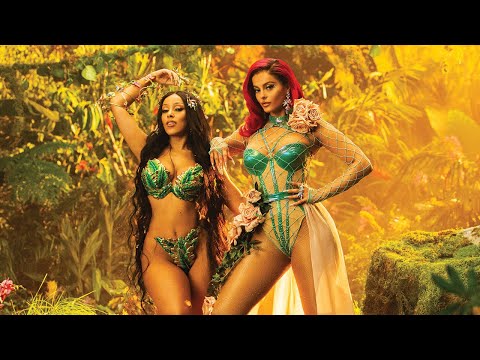
"Last Hurrah" was accompanied by a video that emphasized Rexha's visual presentation and performance persona, adding a dimension of artist identity to what was already a strong sonic statement. The music video approach was standard for the period, but the thematic content of the song, with its defiant embrace of pleasurable excess before an implied turning point, made for particularly effective visual storytelling. The narrative of one final celebration before responsibility reasserts itself is a universal theme with specific resonance for a young adult audience.
The song was written by Rexha in collaboration with professional songwriting partners, reflecting her dual identity as both a performing artist and a songwriter of significant craft. She had written songs recorded by artists including Selena Gomez, Nikki Williams, and Nick Jonas, and her writing experience gave her the ability to construct a song that was simultaneously personal in feel and commercially effective in structure. The hook, in particular, demonstrates the kind of melodic clarity that comes from someone who understands how songs work from the inside.
In the context of her debut album era, "Last Hurrah" served as an expression of the side of her musical personality that embraced pop maximalism and anthemic energy. Her solo debut had shown range, from country-inflected material to darker, more alternative pop moments, and this track represented the arena-ready dimension of her artistry. The defiant energy of the song gave her audience something to cheer for, a mood that translated well to the live performances she was building her reputation on.
Rexha had been notably open about her mental health journey, including her diagnosis with bipolar disorder, and her music occasionally engaged with themes of self-acceptance and resilience that connected to that broader personal narrative. "Last Hurrah," while not explicitly autobiographical in its lyrical content, participates in that framework of embracing the full complexity of one's emotional life rather than suppressing parts of it for social acceptability.
02 Song Meaning
Last Hurrah: Defiance Before the Turning Point
"Last Hurrah" is built around one of pop music's most reliably resonant premises: the committed decision to embrace excess and pleasure before some anticipated moment of change or reckoning. The narrator knows that a shift is coming, whether self-imposed or externally required, and chooses to have one more fully committed experience of the behavior she will eventually have to moderate. This is not denial but a deliberate, clear-eyed act of farewell, which gives the song its particular emotional flavor: defiant without being deluded, self-aware without being self-righteous.
The emotional logic of the song is grounded in the tension between present desire and future obligation. The narrator fully acknowledges that the "last hurrah" is exactly that, a final indulgence before a more responsible or constrained version of life takes over. This acknowledgment distinguishes the song from straightforward celebration; there is a wistfulness beneath the defiance, an awareness that the very term "last" implies an ending. The pleasure being celebrated is already shadowed by the knowledge of its conclusion.
Bebe Rexha delivers the song with a vocal commitment that is central to its meaning. The full-throated performance does not hedge or undercut the defiance with irony; she means it, and that sincerity is what makes the song work. Pop music's celebration of the last hurrah only succeeds when the performer genuinely sounds as if they are having one, and Rexha's vocal presence has always been characterized by the kind of unguarded emotional commitment that this type of material requires.
The song also carries implications about self-knowledge and the difficulty of change. Implicitly, the narrator recognizes certain patterns in her own behavior that she intends to break, and the "last hurrah" is the acknowledgment of those patterns as she makes one final pass through them. This self-awareness without self-condemnation is a sophisticated emotional position, one that avoids both denial and excessive self-flagellation. The song models a kind of compassionate self-understanding that its audience found relatable.
For Rexha's catalog, "Last Hurrah" represents the anthemic, maximalist side of her artistic personality, one that coexists with darker, more introspective material. The song demonstrates her range as a performer and her understanding of how to construct a pop moment that gives listeners something to feel collectively rather than privately. Songs that work in a crowd, that invite participation and shared emotion, require a specific kind of structural and emotional generosity, and "Last Hurrah" delivers on that dimension.
The theme of choosing the last hurrah is also implicitly connected to questions of identity and self-definition. The person who will emerge from the other side of this final indulgence will be somewhat different from the person choosing it, and the song occupies the interesting temporal space of the threshold, the moment just before the transformation that is coming. This threshold moment has always been rich territory for pop music because so many listeners live in similar spaces of anticipated change, and the song's ability to give that experience a voice is part of its appeal.
Within the broader context of early 2019 pop music, "Last Hurrah" occupied territory that balanced mainstream accessibility with a personal directness that felt more specific than generic. Rexha had earned the right to personal directness through her songwriting background, and the song benefits from that earned specificity even when the themes are universal ones.
→ More from Bebe Rexha
View all Bebe Rexha hits →

→ More from the 2010s File
View all 2010s hits →



Keep digging