The 2010s File Feature
Set Fire To The Rain
Set Fire To The Rain — Adele A Voice That Changed the Decade In the autumn of 2010, a young British singer named Adele released an album called 21 that would…
01 The Story
Set Fire To The Rain — Adele
A Voice That Changed the Decade
In the autumn of 2010, a young British singer named Adele released an album called 21 that would, over the following two years, become one of the best-selling records in the history of the music industry. The album arrived as a document of heartbreak, written and recorded in the aftermath of a relationship that had ended badly, and its emotional directness connected with listeners across demographics, ages, and national borders in a way that seemed to confound all prevailing assumptions about how pop music was supposed to work in the streaming era. Set Fire To The Rain was one of the album's defining tracks, a power ballad with a gospel-influenced emotional arc that showcased the full range of Adele's extraordinary voice.
Adele had already achieved significant commercial success with her debut album 19, but 21 operated at a completely different scale. The production on the album was handled by several collaborators, and Set Fire To The Rain was produced by Fraser T. Smith, who brought a lush orchestral-pop sensibility to the track that complemented Adele's vocal style without overwhelming it.
Production and Creation
Fraser T. Smith co-wrote and produced "Set Fire To The Rain" with Adele, creating an arrangement that builds from a relatively spare opening into a fully orchestrated emotional climax. The decision to let the song grow slowly was strategically sound: Adele's voice benefits from dynamic contrast, and arriving at the chorus's full production after a more intimate opening gives the release of that moment its impact.
The track was recorded in London, and the production reflects a sensibility rooted in British pop craftsmanship rather than American radio polish. There is a certain grandeur to the arrangement that evokes the classic pop ballad tradition, but the production avoids the over-compression that had become endemic in American mainstream production of the period, which gave the song a more open, dynamic sound on speakers and headphones alike.
The Extraordinary Chart Run
The song's chart history is one of the more remarkable stories in Billboard Hot 100 history. The track first appeared on March 12, 2011, entering at position 88. It moved through various positions over subsequent months, occasionally disappearing and reappearing as different formats picked it up, and continued climbing long after most singles would have exhausted their commercial momentum. The single peaked at number one on February 4, 2012, nearly a full year after its debut chart appearance, completing a total run of 43 weeks on the Hot 100. This extraordinarily sustained chart life reflected not just the song's quality but the unusual commercial dynamics around 21 as an album, which continued selling at high volumes for years after its release.
The number-one peak coincided with the release cycle around the Grammy Awards, where Adele would go on to win six awards in a single evening in February 2012, cementing her status as the defining pop artist of the early 2010s.
Adele's Career Position
The success of Set Fire To The Rain and 21 as a whole positioned Adele as something unusual in contemporary pop: an artist whose commercial appeal derived entirely from songwriting craft, vocal ability, and emotional authenticity, with no reliance on visual spectacle, dance routines, or genre-hopping. This positioning resonated at a particular cultural moment when the pop landscape was dominated by heavily produced, visually complex artists whose music sometimes seemed secondary to their presentation.
Adele's refusal to compete on those terms turned out to be her greatest commercial advantage. She was offering something different, and a massive audience responded to the difference.
The Song's Lasting Presence
More than a decade after its chart peak, Set Fire To The Rain continues to function as one of the touchstone recordings of the 2010s. It appears in films, in television programs, in talent competition performances and wedding playlists, and on streaming platforms where its cumulative listens continue to accumulate. The combination of Adele's vocal performance and Fraser T. Smith's production created something that has proved genuinely durable, a reminder that craft and emotional truth do not age the way production trends do.
Put it on and hear what the beginning of a decade sounded like when it was paying attention.
"Set Fire To The Rain" — Adele's singular moment on the 2010s charts.
02 Song Meaning
Set Fire To The Rain — Adele: Meaning and Legacy
The Paradox in the Title
The title image of Set Fire To The Rain is deliberately impossible: fire and rain cancel each other out, and yet the phrase captures a recognizable emotional reality. The experience of loving someone who simultaneously sustains and extinguishes you, whose effect on your life feels contradictory and overwhelming at once, is expressed through this central impossible image with considerable poetic precision. Adele and Fraser T. Smith found in this paradox a way to describe the irrational quality of deep romantic attachment, the way that something can feel both life-giving and destructive without those qualities negating each other.
This emotional complexity is part of what distinguished 21 from much of the pop that surrounded it at the time. The album did not offer consoling resolutions or tidy emotional arcs; it sat in the contradictions of a painful relationship and found language for them. Set Fire To The Rain is one of the clearest expressions of this willingness to hold competing feelings simultaneously.
The Power Ballad Tradition
The song belongs to a lineage that runs through Whitney Houston, Celine Dion, and the great dramatic pop ballads of the 1980s and 1990s: songs that build toward a vocal and emotional climax and deliver it with conviction. Adele's vocal performance on the track engages this tradition knowingly, drawing on the gospel-influenced melisma and dynamic range that characterized its greatest practitioners while investing the delivery with a rawness that kept it from feeling merely theatrical.
The willingness to go big vocally while maintaining emotional credibility is the defining challenge of the power ballad tradition, and it is where many singers fall short. Adele's extraordinary control of her instrument, combined with the genuinely personal source material of the 21 album, allowed her to scale the vocal performance to match the arrangement without sacrificing authenticity.
Cultural Context of the Early 2010s
The early 2010s were a period of significant anxiety and transition in Western culture. The financial crisis of 2008 had reshaped economic reality for millions of people, particularly younger adults, and the sense of disruption and precarity that followed created an audience responsive to music that addressed genuine feeling rather than aspirational fantasy. Adele's arrival at this particular cultural moment was well-timed in ways that go beyond her considerable talent. She was offering something emotionally substantive at a moment when people were looking for art that felt real.
The global scale of 21's success, reaching audiences across language barriers and cultural contexts, suggests that the song's emotional content transcended its specific English-language lyrical frame. The voice and the arc of the music communicated meaning that listeners could feel even when they could not fully parse the words.
Why the Song Still Matters
The longevity of Set Fire To The Rain on streaming platforms and in cultural circulation confirms that it achieved something beyond chart success. Songs that merely ride a commercial moment tend to feel dated when that moment passes. Songs built on genuine emotional truth tend to retain their power because the emotional realities they describe do not expire.
The track has become a standard in the repertoire of singers on competition programs and in live performance contexts worldwide precisely because it offers both the technical challenge of demanding vocal material and the emotional clarity that makes a performance legible to an audience. That double quality, demanding to perform but clear in its impact, is the mark of a genuinely well-constructed song, and it will keep bringing new listeners to Adele's extraordinary early 2010s work for years to come.
→ More from Adele
View all Adele hits →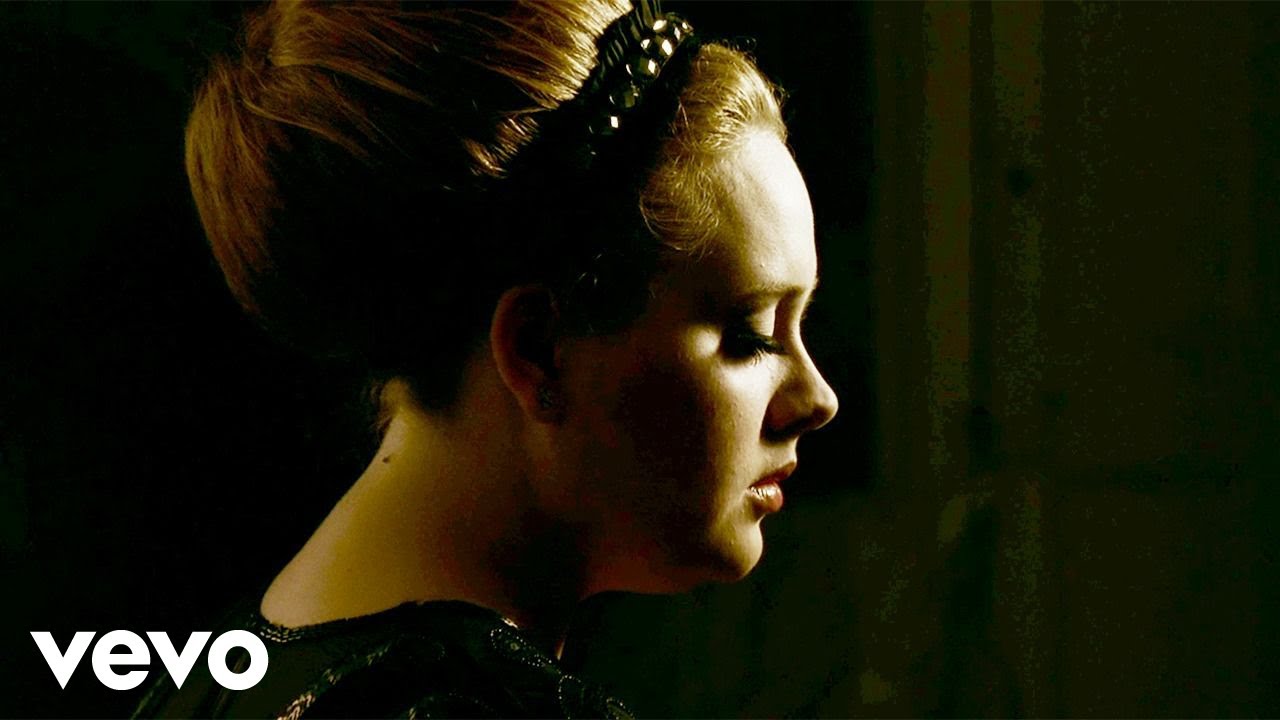


→ More from the 2010s File
View all 2010s hits →



Keep digging