The 2010s File Feature
Gummo
Gummo: How 6ix9ine's Debut Single Exploded Out of Brooklyn In the autumn of 2017, a teenager from Bushwick, Brooklyn, uploaded a music video that would becom…
01 The Story
Gummo: How 6ix9ine's Debut Single Exploded Out of Brooklyn
In the autumn of 2017, a teenager from Bushwick, Brooklyn, uploaded a music video that would become one of the most disruptive debut singles in recent rap history. Released on October 6, 2017, through TenThousand Projects and Create Music Group, "Gummo" arrived not through a major label machine but through sheer street virality, social media aggression, and an aesthetic that many found confrontational to the point of shocking. The song introduced Daniel Hernandez, known professionally as 6ix9ine, to a national and international audience almost overnight.
The track was produced by Taz Taylor and Rex Kwan Do, two producers affiliated with Internet Money, a production collective that was itself gaining steam in the mid-2010s beatmaking underground. The instrumental built on a hard-knock, cascading trap rhythm with menacing synth tones, designed to feel simultaneously chaotic and hypnotic. Taz Taylor has described the session as quick and instinctive, with Hernandez bringing an intensity to the vocal booth that translated directly into the final recording. The production strips the arrangement to its barest essentials, leaving the focus entirely on the delivery.
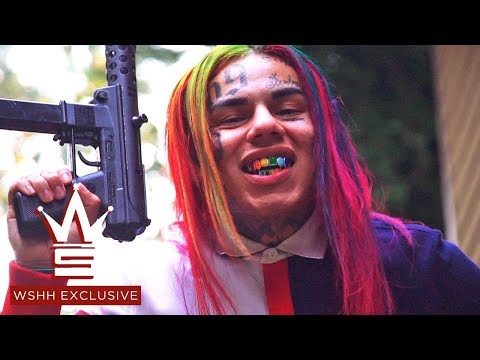
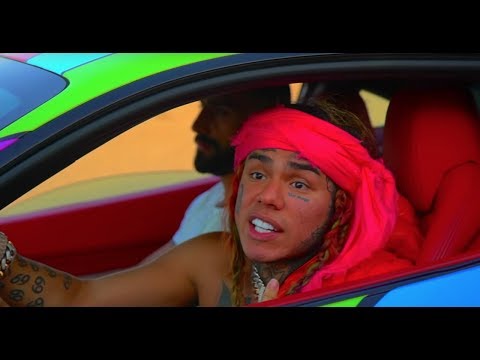
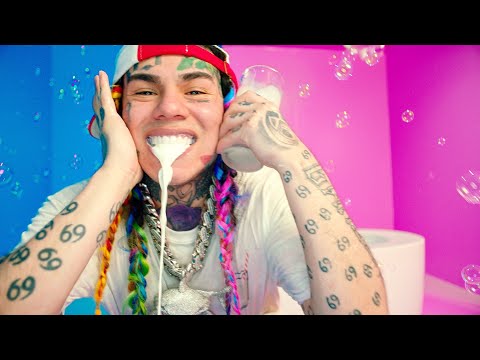
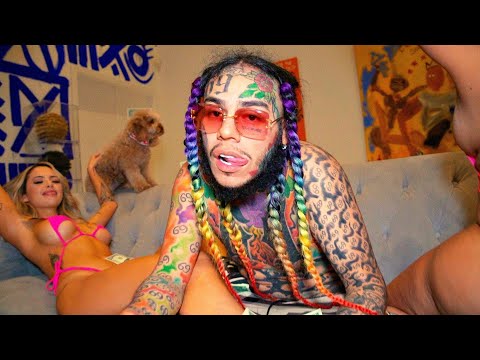
The accompanying music video was filmed in the Bushwick and Brownsville neighborhoods of Brooklyn, featuring members of the Nine Trey Gangsta Bloods, a set of the Bloods gang with which 6ix9ine had publicly affiliated himself. The visual was raw, unfiltered, and deliberately provocative, shot with a handheld energy that made it feel like documentation rather than promotion. The color scheme leaned into the singer's rainbow-dyed hair and heavily tattooed aesthetic, which had already been building a social media following on Instagram before the single dropped.
"Gummo" did not chart immediately. It spread through word of mouth, reposting culture, and the particular attention economy of late-2010s social media before gradually accumulating the streams and download numbers that moved it onto Billboard's tracking radar. The song eventually peaked at number 12 on the Billboard Hot 100, a remarkable feat for a debut artist who had no major-label promotional apparatus behind him at the time of release. It spent multiple weeks in the top forty and demonstrated that viral, independently distributed rap could compete directly with mainstream releases.
The cultural conversation around "Gummo" extended well beyond music. The video's explicit imagery of gang membership and street life generated substantial controversy, drawing commentary from cultural critics, law enforcement observers, and the broader hip-hop community. Some voices dismissed the record as shock content; others argued it was a genuine document of street-level Brooklyn in 2017. Either way, the debate drove streams and kept the single in public discourse for months.
The song was certified 6x Platinum by the RIAA as it accumulated hundreds of millions of streams across Spotify, YouTube, and Apple Music. By any commercial measure, "Gummo" was one of the breakout rap singles of its year, and it established the commercial viability of 6ix9ine's confrontational brand at a time when trap's mainstream dominance was at a peak. It also launched a run of chart activity that saw the artist score multiple Hot 100 entries in rapid succession.
The track's success must also be understood in the context of what followed for Hernandez personally. In late 2018, he was arrested on racketeering and firearms charges related to his association with Nine Trey Gangsta Bloods, the same crew visible in the "Gummo" video. He subsequently cooperated with federal prosecutors, testifying against former associates, and was released from prison in 2020. This legal saga recontextualized the bravado on display in the song and the video and made "Gummo" an artifact of a moment that ended abruptly and dramatically. The record's chart performance and cultural footprint, however, remain a fixed data point in the history of viral rap and independent distribution in the streaming era.
Producers and A&R professionals have frequently cited "Gummo" as an example of how a single, well-timed viral moment can replicate the impact of a traditional promotional rollout without the machinery of a major label. The song fundamentally altered the calculus of what a debut single could achieve in the post-streaming, social-media-first landscape of popular music.
02 Song Meaning
Gummo: Rage, Territory, and the Performance of Street Identity
"Gummo" functions primarily as a territorial declaration, a recording in which 6ix9ine establishes his presence and affiliations in the clearest possible terms. The song is not structured around narrative or emotional arc. It operates through repetition, intensity, and the kind of unrelenting vocal attack that communicates dominance rather than storytelling. The thematic center is the assertion of power and the warning directed at rivals, a mode deeply rooted in certain branches of New York rap going back decades.
The title itself is a reference to the 1997 Harmony Korine film of the same name, a provocative and disturbing portrait of American underclass poverty and adolescent nihilism. Whether the allusion is intentional commentary or simply a borrowed name is debated, but the film's ethos of transgression and social provocation maps onto the song's own energy. Both the film and the record operate by confronting the audience with something they cannot look away from even when it disturbs them.
The vocal performance is central to the song's meaning. 6ix9ine's delivery is characterized by aggressive screaming, abrupt changes in cadence, and a deliberate roughness that resists the polished trap conventions of the period. Where many of his peers were refining melodic flows influenced by Future and Young Thug, Hernandez went in the opposite direction, leaning into rawness and volume as expressive tools. This is a deliberate aesthetic choice that communicates authenticity on its own terms, however manufactured that authenticity might be.
The song's themes center on neighborhood loyalty and the codes of street life in Brooklyn. References to specific locations, specific affiliations, and specific behavioral expectations build a worldview in which standing one's ground and displaying aggression are the primary markers of status. This is music that speaks directly to an audience familiar with those codes while simultaneously performing those codes for a wider audience that finds them thrilling at a safe distance.
For 6ix9ine's developing public identity, "Gummo" was the foundational document that established every element of his persona: the visual chaos of his appearance, the confrontational volume of his delivery, and the deliberate provocation of his social media presence. Everything that followed in his commercial run built on what this single established. It told his audience exactly what he was offering and delivered it without compromise or qualification.
The song also reflects a specific moment in trap's evolution when the genre had sufficient mainstream reach to make a record this abrasive commercially viable. "Gummo" would not have charted in the same way five years earlier. Its success depended on an audience primed by years of trap's gradual normalization, an audience that had developed the appetite for the more extreme end of the spectrum the genre contained. The record arrived at the precise moment when that appetite was large enough to translate into chart numbers.
In retrospect, knowing the legal events that followed, "Gummo" carries an additional layer of meaning as a time capsule of a particular chapter in the artist's life, one that ended with federal racketeering charges in 2018 and subsequent cooperation with prosecutors. The song documents a posture that real-world consequences revealed to be more performance than actuality, which complicates and enriches its cultural significance without diminishing its commercial achievement. The song's Brooklyn street imagery and gang-affiliated visuals became evidence in federal proceedings, giving the record an unusual double life as both commercial product and legal document, a quality that very few viral rap singles have ever acquired.
→ More from 6ix9ine
View all 6ix9ine hits →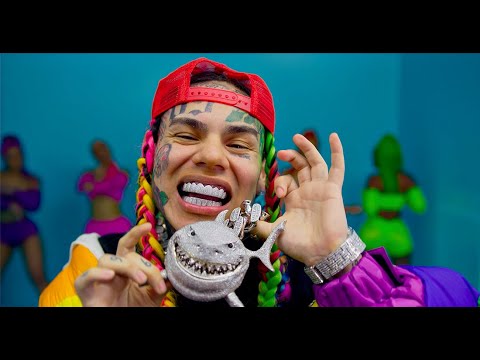
→ More from the 2010s File
View all 2010s hits →



Keep digging